Fishing has shaped life along the Cypriot coast for thousands of years. From small family boats setting out before sunrise to modern vessels working farther offshore, the way fish are caught reflects deeper stories about culture, sustainability, and identity. This article explores how artisanal and industrial fishing coexist in Cyprus, why certain marine species matter so deeply to local life, and how food, regulation, and global recognition are reshaping the island’s relationship with the sea.
- Understanding the Two Worlds of Fishing
- A Long Maritime History
- What Makes Artisanal Fishing Distinct
- How Industrial Fishing Operates
- Marine Species That Matter to Cypriots
- Sustainability in Practice
- Rules, Regulation, and Modern Governance
- From Sea to Table: Culinary Tourism
- Cyprus on the Global Stage
- Fishing Today and Tomorrow
- Experiencing the Living Coast
- Why This Story Matters
Understanding the Two Worlds of Fishing
At its simplest, fishing in Cyprus today exists in two parallel worlds. One is artisanal fishing, rooted in tradition, small-scale effort, and close ties to local communities. The other is industrial fishing, shaped by modern technology, larger vessels, and wider markets.
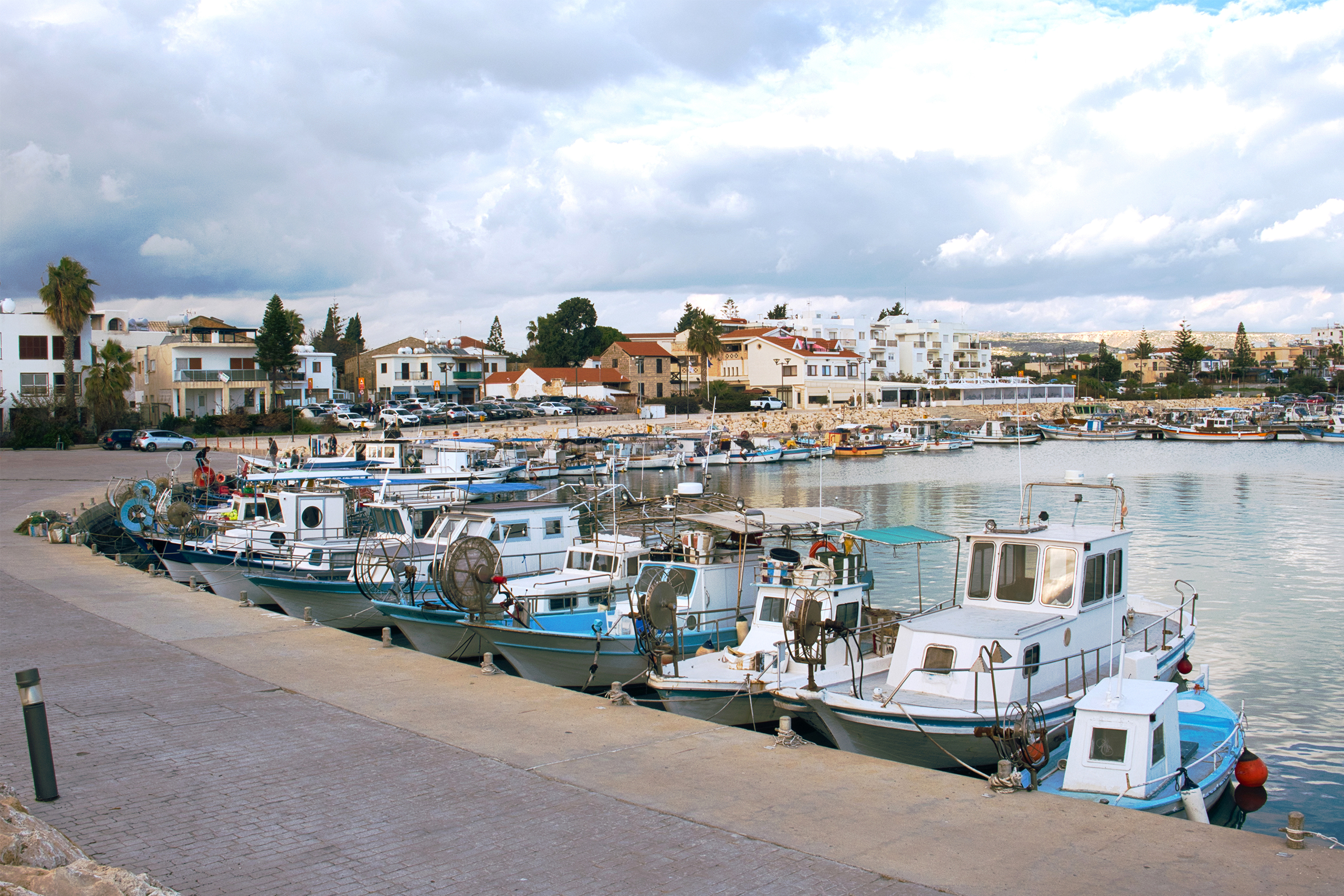
Artisanal fishing usually involves small boats operated by their owners, often with help from family members. These fishers work close to shore, rely on experience passed down through generations, and bring back relatively small catches that are sold fresh, often the same day. Industrial fishing, by contrast, uses larger, motorized vessels and mechanized gear to harvest greater volumes of fish, sometimes destined for processing or export rather than immediate local consumption.
Both forms are legal and regulated, and both contribute to the island’s food supply. Yet they differ not just in scale, but in how they interact with the sea and with Cypriot society.
A Long Maritime History
Cyprus has always been a maritime island. Archaeological evidence shows that early inhabitants fished coastal waters using simple tools made using tools made of bone, stone, and woven fibers. They were found evolving by the Bronze Age into sophisticated bronze hooks and lead lures. Over time, techniques evolved, but fishing remained largely small-scale for centuries. Coastal villages developed rhythms around the sea, with seasonal patterns guiding when and how people fished.
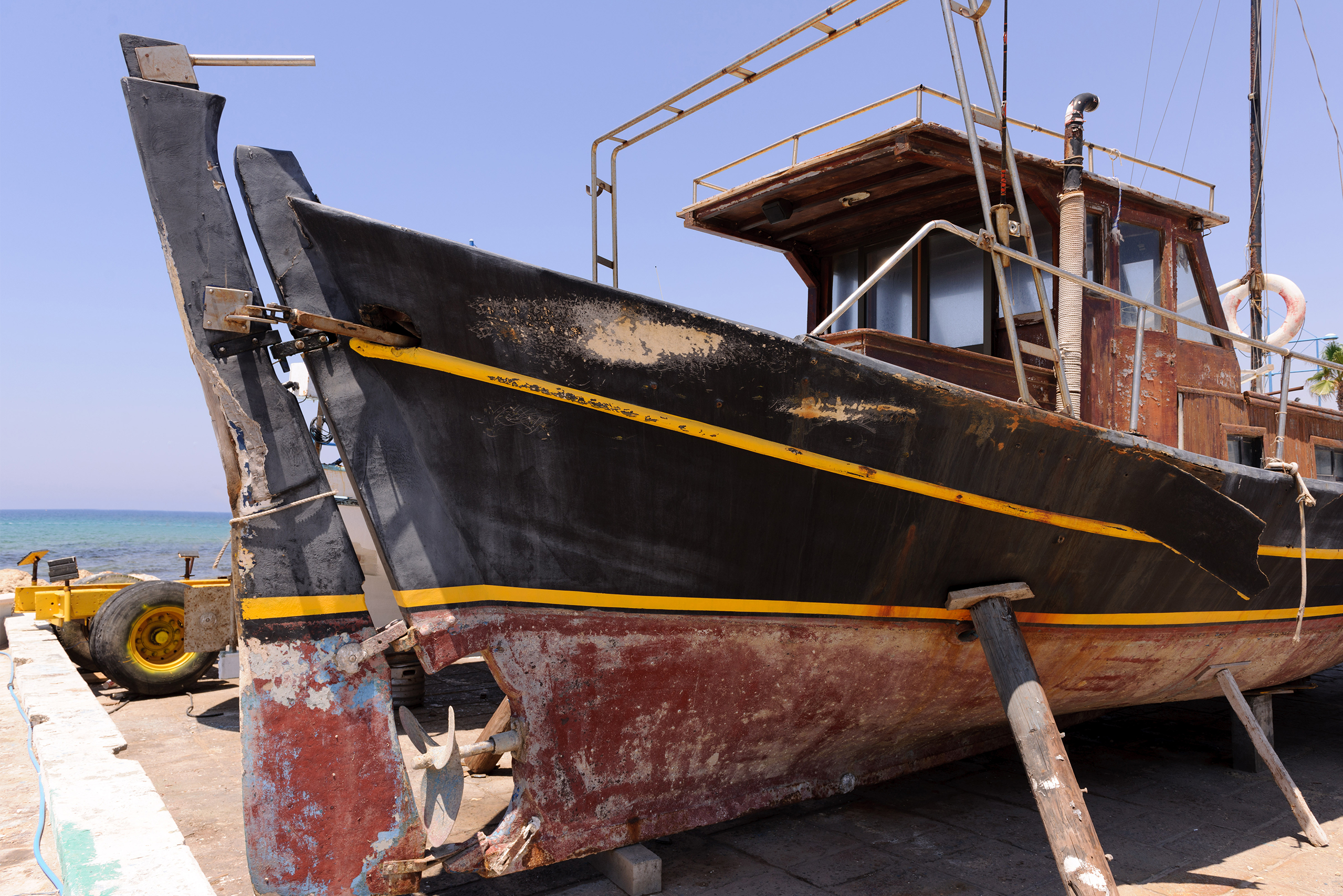
Even during periods of foreign rule, including Byzantine, Ottoman, and British eras, fishing retained its artisanal character. Boats were modest, gear was selective, and the catch primarily served local needs. The major shift came in the mid-20th century, when engines, synthetic nets, and new technologies made larger-scale fishing possible.
This modernization increased catches and efficiency, but it also introduced new pressures on marine ecosystems. The result today is a mixed system, where tradition and technology operate side by side.
What Makes Artisanal Fishing Distinct
Artisanal fishing in Cyprus is defined less by formal rules than by practice and mindset. Boats are small and usually remain within sight of land. Fishers use techniques such as hand lines, small nets, and traps, setting them carefully based on knowledge of seabeds, currents, and fish behavior.
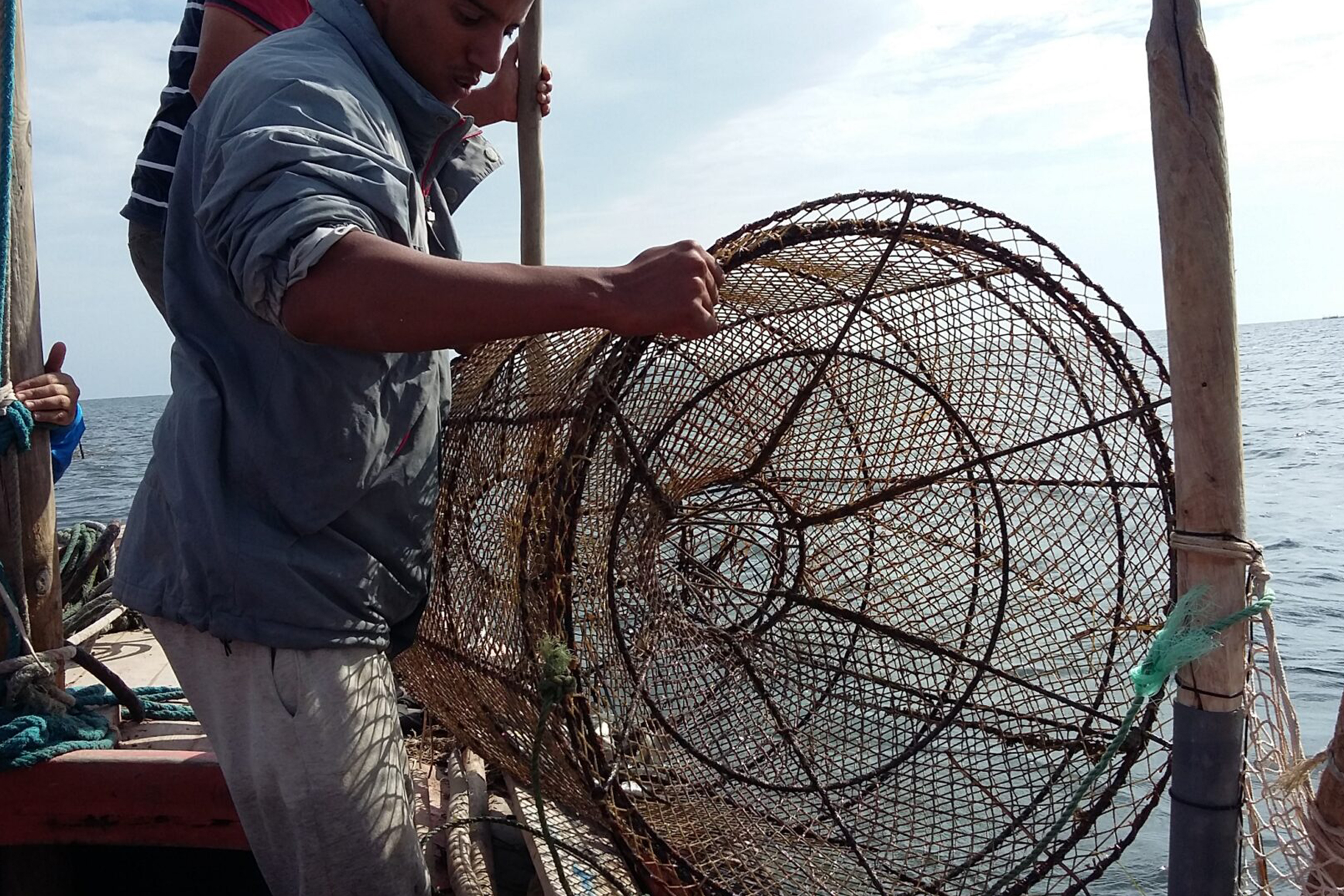
The work is labor-intensive and highly selective. A fisher might target a specific species, avoid breeding seasons, or move locations to prevent overuse of a single area. While artisanal methods are selective, the rise of recreational fishing means small-scale efforts now collectively impact stocks more than the commercial fleet.
Socially, artisanal fishing is deeply embedded in village life. Knowledge is shared informally, children grow up around boats and nets, and the profession carries cultural pride. The value lies not in volume, but in freshness, quality, and continuity.
How Industrial Fishing Operates
Industrial fishing in Cyprus represents a smaller number of vessels, but a larger concentration of capital and technology. These boats are longer, more powerful, and equipped with navigation systems that allow them to operate farther from shore and in deeper waters.

Methods can include large nets or longlines designed to catch significant quantities of fish in a single trip. While this efficiency supports broader markets and stable supply chains, it also raises concerns about bycatch and habitat disturbance, particularly when trawling methods are involved.
Industrial fishing is closely regulated, with limits on seasons, locations, and target species. In recent decades, stricter controls have been introduced to reduce ecological damage, reflecting growing awareness of the Mediterranean’s vulnerability.
Marine Species That Matter to Cypriots
Certain fish and seafood species hold special meaning in Cypriot culture. Octopus, red mullet, sea bream, grouper, and small pelagic fish like sardines are not just ingredients, but symbols of coastal life.
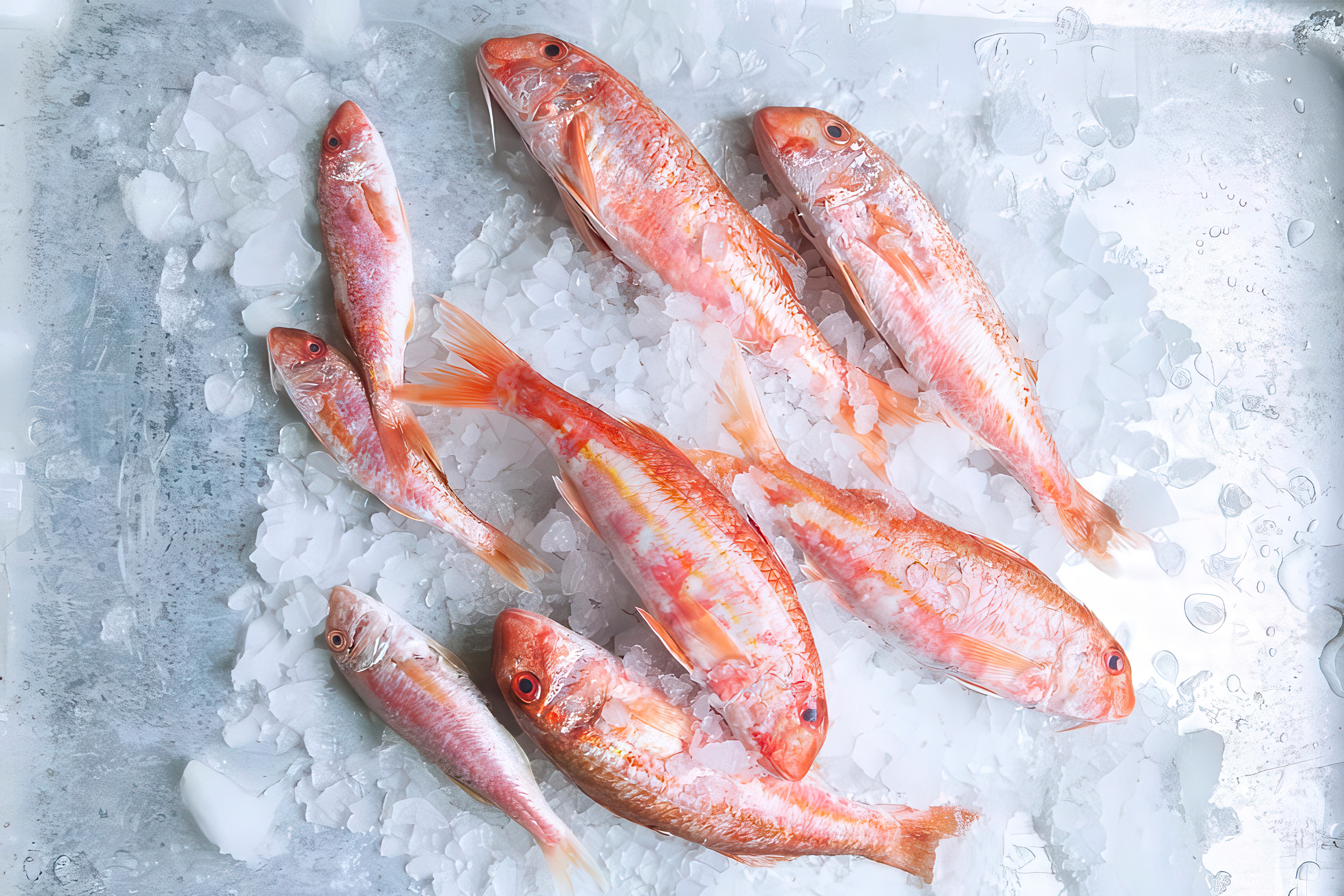
Many of these species are traditionally associated with artisanal fishing. Octopus, for example, is often caught using pots or simple lines and prepared in ways that highlight its connection to fasting traditions and family meals. Red mullet and bream feature in recipes that date back generations.
Industrial fishing may also target some of these species, but often focuses on larger migratory fish or quantities suited to export. The distinction influences how people perceive the fish on their plates, with locally caught, small-scale seafood often seen as more authentic and desirable.
Sustainability in Practice
Sustainability is not a new concept for Cypriot fishers, even if the word itself is modern. Artisanal methods are inherently selective and limited, reducing pressure on fish stocks. Fishers traditionally avoided certain seasons or areas, guided by observation rather than written rules.
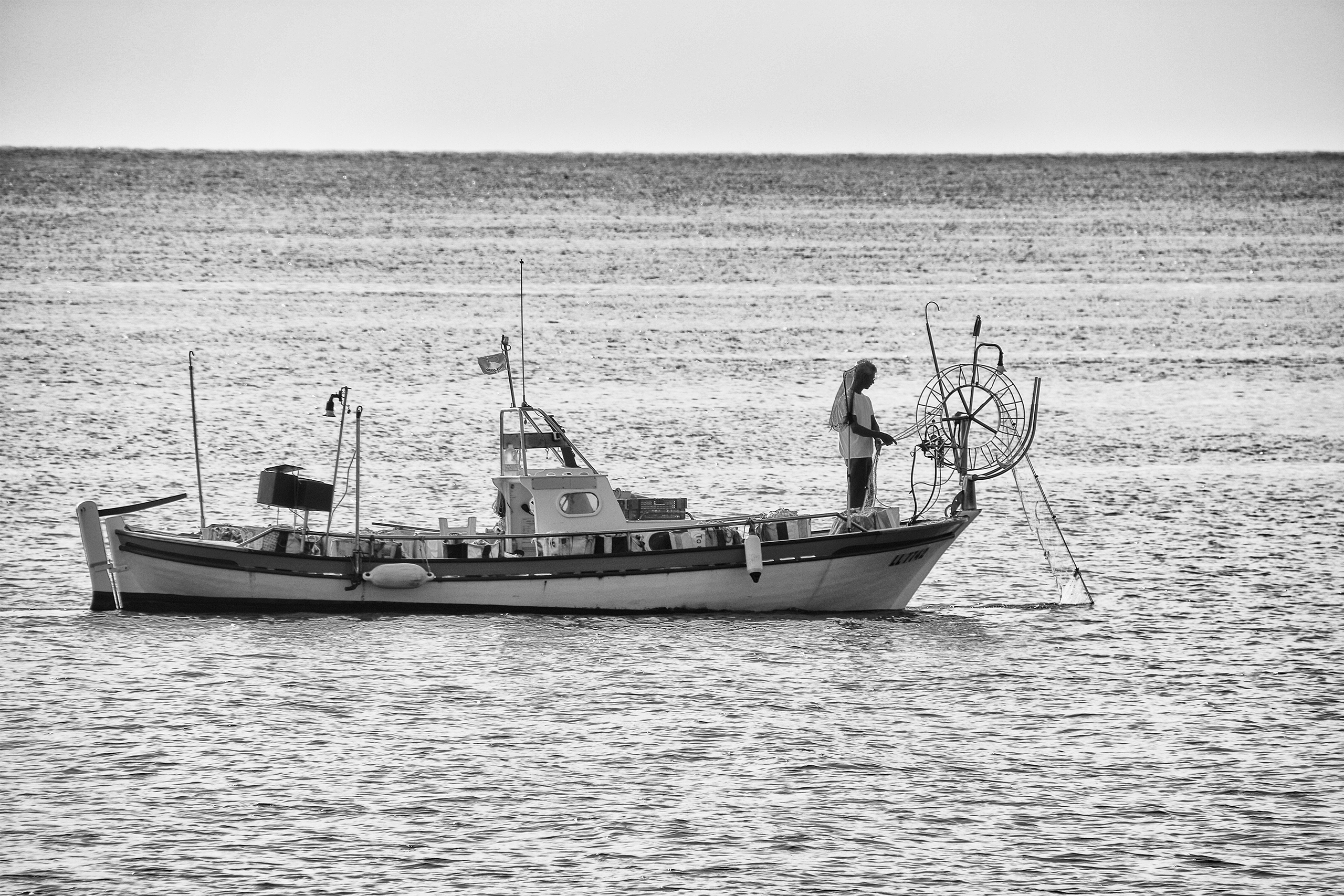
Industrial fishing, while more intensive, has increasingly adopted sustainability measures. Regulations now define where and when fishing can occur, restrict gear types, and protect vulnerable species. Monitoring systems and quotas aim to balance economic needs with ecological limits.
Both sectors face shared challenges, including climate change and invasive species like lionfish and toadfish, which now threaten to decimate indigenous stocks and destroy fishing gear. These pressures make sustainable practices not just desirable, but essential for the future of fishing on the island.
Rules, Regulation, and Modern Governance
Fishing in Cyprus is governed by national authorities working within broader Mediterranean and European frameworks. Licenses differentiate small-scale and larger operations, while catch limits and seasonal bans protect spawning periods.
Marine protected areas restrict fishing in sensitive habitats, and enforcement has become more visible in recent years. While regulation can be challenging for fishers, it also helps ensure that traditional livelihoods remain viable rather than exhausted by short-term exploitation.
The balance is delicate. Too little regulation risks depletion, while too much can strain small communities. The ongoing effort is to adapt rules to local realities while meeting international conservation goals.
From Sea to Table: Culinary Tourism
Fishing connects directly to Cyprus’s food culture, which is increasingly central to tourism. Visitors seek experiences that feel local and meaningful, and seafood plays a major role in that search.
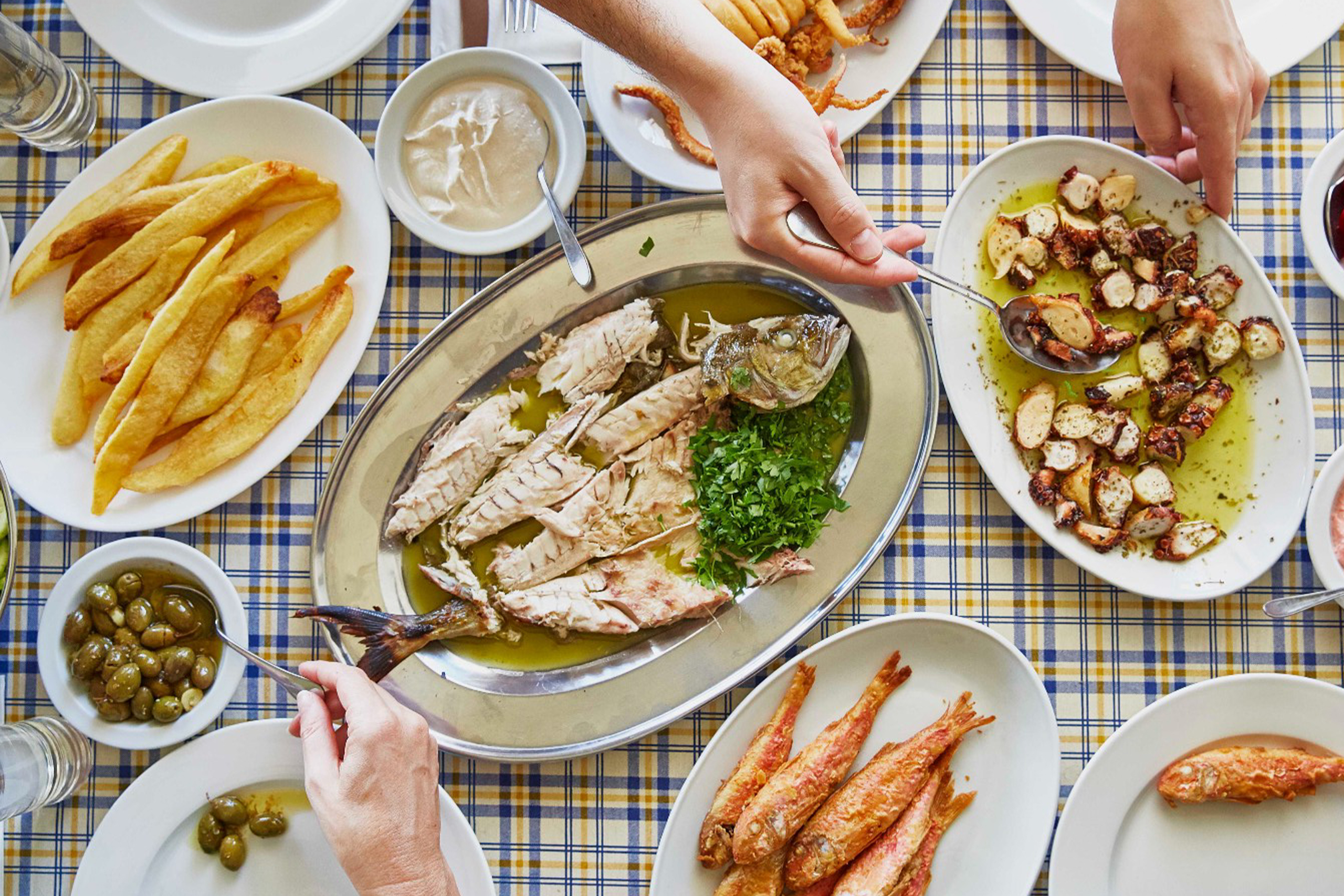
Artisanal fishing supports coastal tavernas that serve simple, seasonal dishes based on the day’s catch. Fish meze, grilled octopus, and marinated seafood tell stories of place and tradition. Markets, festivals, and harbor-side restaurants turn fishing into a visible, shared experience.
Culinary tourism values not just taste, but narrative. Knowing how and where fish was caught adds depth to the meal, strengthening appreciation for small-scale methods.
Cyprus on the Global Stage
Internationally, Cyprus is recognized as part of the Mediterranean’s rich food and maritime heritage. While it is not a major exporter compared to larger fishing nations, its reputation rests on quality rather than quantity.
Traditional practices, combined with increasing attention to sustainability, enhance the island’s image among food travelers and cultural tourists. There is growing interest in promoting local seafood as a premium product linked to heritage and environmental care.
This recognition creates opportunities, but also responsibilities, to protect what makes Cypriot fishing distinctive.
Fishing Today and Tomorrow
Today, artisanal and industrial fishing continue side by side in Cyprus, each adapting to new realities. Artisanal fishers face rising costs and changing seas, while industrial operators navigate tighter regulations and public scrutiny.
Consumers also play a role. Choosing locally caught fish, asking questions about origin, and valuing seasonality can influence how fishing evolves. The future likely lies in cooperation rather than competition, with technology supporting tradition instead of replacing it.
Experiencing the Living Coast
For visitors and residents alike, fishing in Cyprus is something that can still be seen and felt. Early mornings in small harbors, the smell of nets drying in the sun, and the taste of freshly grilled fish offer direct contact with a way of life that has endured for centuries.
Whether watching boats return to shore or enjoying a meal by the sea, the experience is grounded in authenticity. It reflects a relationship with the Mediterranean that is careful, respectful, and deeply human.
Why This Story Matters
The contrast between artisanal and industrial fishing in Cyprus is not simply about methods. It is about how an island chooses to live with its sea. Understanding this balance reveals why fishing remains central to Cypriot culture, cuisine, and identity.
By valuing tradition while adapting to modern challenges, Cyprus offers a model of coexistence between heritage and progress. The story of its fishers is ultimately a story of connection, reminding us that sustainability begins with respect for both nature and the communities shaped by it.