

Food and Wine

Food and Wine

Koupes – The Iconic Cypriot Street Food

Koupes – The Iconic Cypriot Street Food

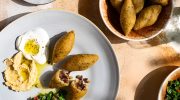
Golden, crispy, and packed with flavour, koupes are one of the most recognizable traditional street foods in Cyprus. Found in bakeries, village festivals, local markets, and family gatherings across the island, these deep-fried bulgur pastries have become a true part of Cypriot food culture. At first glance, koupes may look simple, but the balance of textures and spices makes them unforgettable. The crisp outer shell gives way to a warm filling of seasoned minced meat, onion, parsley, and aromatic spices that reflect the eastern Mediterranean character of Cypriot cuisine. Whether enjoyed as a quick street snack or served as part of a large meze spread, koupes continue to hold a special place on Cypriot tables. What Are Koupes? Koupes are…

Read more
How Altitude Shapes Cyprus Wines

How Altitude Shapes Cyprus Wines

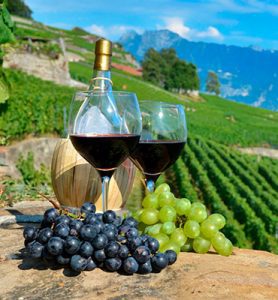
Cyprus vineyards occupy the southern slopes of the Troodos Mountains at altitudes ranging from 250 to 1,500 meters above sea level. This elevation places them among the highest in Europe. The Petralona vineyard operated by Tsiakkas Winery reaches 1,440 to 1,480 meters, while Kyperounda Winery owns plots between 1,400 and 1,500 meters. These high-altitude locations fundamentally transform wine quality by creating cooler temperatures, dramatic day-to-night temperature swings, increased solar radiation, and unique soil conditions. Protected designation of origin wines must come from vineyards above 600 to 750 meters depending on the region. Altitude determines whether grapes develop balanced acidity and complex flavors or ripen too quickly into heavy, alcoholic wines. Historical Background Winemaking in Cyprus dates back 6,000 years, with…

Read more
Olive Harvest in Cyprus

Olive Harvest in Cyprus

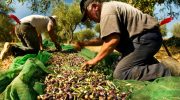
The olive harvest in Cyprus represents a tradition stretching back over 6,000 years, connecting modern Cypriots to their ancient agricultural roots. This annual event occurs from October through January across approximately 400 villages where olive trees flourish in the island's Mediterranean climate. The harvest combines practical necessity with cultural ritual, bringing together families and communities to collect olives that will become food and oil for the coming year Beyond its agricultural function, the olive harvest holds deep spiritual significance in Orthodox Christian life, with olive oil playing essential roles in church sacraments and folk beliefs. The tradition preserves ancient techniques while adapting to modern equipment, creating a bridge between Cyprus's past and present. Each harvest season renews the bond between…

Read more
Snails in Cyprus

Snails in Cyprus

Snails, called karaoloi in Cyprus, belong to the class of gastropoda. In Cyprus, these mollusks represent more than just food. They connect to ancient traditions, seasonal rhythms, and family memories. Snail fossils have been found by archaeologists in Paphos, Cyprus from thousands of years ago. Cypriots collected snails after the first rainfall, prepared them with specific techniques passed through generations, and served them during fasting periods when meat consumption was forbidden. The tradition persists today in traditional taverns and village homes across the island. Types of Edible Snails in Cyprus Cypriots of all ages used to collect snails in the first month of spring when it was wet and in autumn following the first rainfall. Different varieties required different preparation…

Read more
Halloumi-Based Dishes – Everyday Cheese in Cyprus 

Halloumi-Based Dishes – Everyday Cheese in Cyprus 

Halloumi is Cyprus's most well-known food product, and for most Cypriots, it is simply part of daily life. It appears at breakfast, in meze spreads, at family barbecues, and as a quick snack at any time of day. The global halloumi market is worth approximately 500 million US dollars in sales per year, and halloumi accounts for 13.4% of all exports from the Republic of Cyprus. For a single cheese to carry that kind of economic weight while remaining a staple in home kitchens across the island is a remarkable combination. Understanding halloumi means understanding a big part of how Cypriots eat, cook, and think about food. What Makes Halloumi Different from Other Cheeses Halloumi is traditionally made from a…

Read more
The Story Behind Cyprus Kleftiko

The Story Behind Cyprus Kleftiko

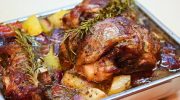
Kleftiko is a traditional lamb dish cooked in a sealed oven for many hours until the meat becomes tender enough to fall off the bone. The name comes from the Greek word "kleftis," which means thief. The dish uses lamb or goat, cut into large portions and kept on the bone. Seasoning remains minimal: salt, oregano, bay leaves, lemon juice, and garlic. The meat cooks alongside potatoes in a sealed clay pot or wrapped tightly in parchment paper. The cooking process traps all moisture and aroma inside, creating meat that pulls apart with a fork. Traditional versions cook for at least eight hours, though modern recipes often reduce this to three or four hours in conventional ovens. Origins of a…

Read more
Cyprus Harvest Fairs And Seasonal Community Life

Cyprus Harvest Fairs And Seasonal Community Life

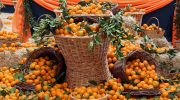
Cyprus villages maintain a rich tradition of harvest festivals that mark seasonal agricultural cycles and bring communities together in celebration. These fairs occur throughout the year, each timed to specific crop harvests from strawberries in spring to grapes in autumn. The Troodos Mountain villages and lowland agricultural communities organize events that transform quiet settlements into bustling centers of food, music, dance, and traditional crafts. These gatherings serve purposes beyond simple celebration, functioning as economic opportunities for producers, educational experiences for younger generations, and cultural affirmations of village identity centered on agricultural heritage. Spring Festivals of Early Harvests The agricultural year begins in May with strawberry festivals in villages like Deryneia, the island's largest strawberry producer. The fertile red soil favors…

Read more
Cyprus Grape Harvest Festivals

Cyprus Grape Harvest Festivals

Cyprus grape harvest festivals represent one of the island's most enduring cultural traditions, celebrating the annual grape collection that has sustained Cypriot agriculture for over 6,000 years. These festivals occur primarily in September and October across wine-producing villages in the Troodos Mountains and Limassol district.  The celebrations combine ancient rituals honoring Dionysus, the Greek god of wine and fertility, with Orthodox Christian customs marking the agricultural cycle's completion. Communities gather to participate in traditional grape stomping, wine tastings, folk music performances, and the preparation of grape-based delicacies like palouzes and soutzoukos.  The festivals serve multiple functions, preserving winemaking knowledge across generations, strengthening village social bonds, and attracting tourism that supports rural economies. Villages including Pissouri, Vouni, Vasa Koilaniou, and Omodos…

Read more
Cyprus Lusignan Wine History

Cyprus Lusignan Wine History

The story of Cypriot wine took a remarkable turn when the French House of Lusignan established their kingdom on the island in 1192. Guy de Lusignan received Cyprus after Richard the Lionheart conquered it during the Third Crusade, and what followed was nearly three centuries of transformation that would shape the island's wine culture forever. The Lusignans brought French nobility, Gothic architecture, and a deep appreciation for fine wine that matched their homeland's traditions. Historical Background Wine production in Cyprus dates back over 6,000 years, but the Lusignan period gave the island its most famous legacy: Commandaria. The sweet wine previously known as Nama was produced primarily in the region around Kolossi Castle, where the Knights Templar and later the…

Read more