Golden, crispy, and packed with flavour, koupes are one of the most recognizable traditional street foods in Cyprus. Found in bakeries, village festivals, local markets, and family gatherings across the island, these deep-fried bulgur pastries have become a true part of Cypriot food culture.

At first glance, koupes may look simple, but the balance of textures and spices makes them unforgettable. The crisp outer shell gives way to a warm filling of seasoned minced meat, onion, parsley, and aromatic spices that reflect the eastern Mediterranean character of Cypriot cuisine. Whether enjoyed as a quick street snack or served as part of a large meze spread, koupes continue to hold a special place on Cypriot tables.
What Are Koupes?
Koupes are deep-fried bulgur wheat pastries filled with seasoned minced meat. They are usually shaped into small oval or torpedo-like forms with pointed ends and fried until the outside turns crisp and golden brown.
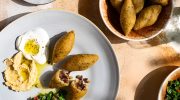
The shell is made from fine bulgur wheat that becomes soft and pliable after soaking and kneading. Inside, the filling traditionally includes minced beef or pork cooked with onions, parsley, cinnamon, black pepper, and allspice. The result is a snack that combines earthy grain flavours with warm spices and savoury meat.
Many people compare koupes to Middle Eastern kibbeh because both dishes share a similar concept of bulgur wrapped around a filling. However, the Cypriot version has its own distinct flavour and texture that locals instantly recognize.
Today, koupes remain one of the island’s most popular traditional snacks and are easy to find throughout Cyprus.
The Taste and Texture of Koupes
One of the reasons koupes remain so popular is the contrast between the crisp outer shell and the soft filling inside.

The bulgur shell develops a crunchy texture during frying while still keeping a light chewiness beneath the surface. Inside, the meat filling stays tender and juicy, with onion and parsley adding freshness to the richer flavours of the meat and spices.
Cinnamon and allspice play an important role in the flavour profile of Cypriot koupes. They do not overpower the filling but instead add warmth and depth that balance the savoury ingredients. The bulgur itself also contributes a slightly nutty flavour that works perfectly with the spices.
Freshly fried koupes taste best while still warm, when the outer shell remains crisp and the filling stays soft and aromatic.
How Koupes Are Traditionally Made
Making koupes takes time and careful preparation, especially when shaping the delicate bulgur shell.
Preparing the Bulgur Dough
The bulgur wheat is first rinsed and soaked until soft. After draining excess water, the mixture is kneaded thoroughly until it forms a smooth dough-like consistency.
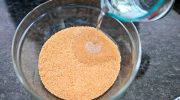
This stage is important because the dough needs enough elasticity to shape around the filling without breaking during frying.
Cooking the Filling
The minced meat cooks separately with onions, olive oil, and spices. Once fully cooked, fresh parsley is stirred through before the mixture cools completely.

Allowing the filling to cool helps prevent the shell from softening during shaping.
Shaping the Koupes
A small portion of bulgur dough is rolled into a ball before being hollowed out by hand. The cook gently presses and rotates the dough to create a thin shell with even thickness throughout.
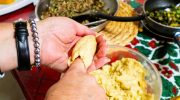
The meat filling is then added to the centre before sealing both ends into the traditional pointed shape.
Frying Until Golden
The shaped koupes are deep fried in hot oil until crisp and evenly golden brown. Proper frying temperature is important because it creates the crunchy exterior without making the shell greasy.

Freshly fried koupes are often placed on paper to absorb excess oil before serving warm.
Koupes in Cypriot Culture
Koupes are more than just a popular snack in Cyprus. They are part of the island’s everyday food culture and appear in both casual and festive settings.
In local bakeries and cafes, koupes are commonly sold individually as a quick morning or midday snack. Many people enjoy them alongside coffee or as a light meal during busy afternoons.

They also appear regularly as part of traditional meze spreads served in tavernas throughout Cyprus. Alongside halloumi, olives, village bread, and grilled dishes, koupes add a warm and filling element to the table.
During village festivals, Easter celebrations, and family gatherings, large batches of koupes are often prepared by several family members together. In many homes, recipes pass from one generation to the next through practice rather than written instructions.
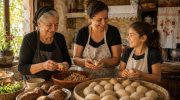
This strong connection to family cooking and local tradition is one reason koupes remain deeply tied to Cypriot identity.
Where to Try Koupes in Cyprus
Koupes can be found throughout Cyprus, especially in traditional bakeries, local cafes, and tavernas.
One of the most recommended places to try authentic koupes is Alasia Cafe in Larnaca. Known for its traditional Cypriot snacks and casual local atmosphere, the cafe has earned a strong reputation for serving fresh and flavourful koupes prepared in a classic style.

The central market areas of Nicosia and the old streets of Limassol also offer excellent opportunities to try freshly made koupes. Many small bakeries prepare them daily, especially during the morning hours.
Village festivals across the island are another excellent place to experience koupes in a more traditional setting, where recipes often remain closely connected to local family traditions.
Why Koupes Remain a Cypriot Favourite
Koupes continue to hold a special place in Cypriot cuisine because they combine simplicity, tradition, and flavour in a way that feels both comforting and timeless.
Their crisp shell, rich filling, and warm spice profile reflect the broader character of Cypriot food, where simple ingredients are transformed through careful preparation and strong culinary tradition.
Whether enjoyed from a bakery in Nicosia, served at a village festival, or shared around a family table, koupes remain one of the island’s most loved traditional foods and an essential part of the Cypriot street food experience.