

Myths and Arts

Myths and Arts

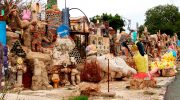
Pylon Art & Culture Limassol

Pylon Art & Culture Limassol

Pylon Art & Culture operates as a nonprofit organization dedicated to contemporary art in Limassol, Cyprus. The name comes from the ancient Greek word "pylon," which refers to the monumental gateway to Egyptian temples. This meaning captures the organization's core mission: to serve as an entry point into contemporary art and new ways of experiencing it. The space presents contemporary works across multiple media, from painting and sculpture to photography, video art, and installations. maps-app-googl-Yiannos-Ioannou Founded by entrepreneur and art collector Alexandros Diogenous, Pylon emerged from over 30 years of personal engagement with contemporary art. The organization functions on the premise that art and culture form essential cornerstones of human development. Its programs focus on making contemporary art accessible and…

Read more
Cyprus Omens Divination Traditions

Cyprus Omens Divination Traditions

Cyprus maintains vibrant divination and superstition traditions that blend ancient Greek practices with Christian Orthodox beliefs and Ottoman influences. The most iconic practice remains kafemanteia or coffee fortune telling, where patterns left by Cyprus coffee grounds reveal past and future events. These traditions persist across both Greek and Turkish Cypriot communities, demonstrating how folklore unites the divided island. Both young and old Cypriots observe omens and follow superstitious rituals, some from habit taught since childhood, others with genuine belief. The practices serve social and psychological functions, providing comfort during uncertainty while creating bonds through shared cultural knowledge passed between generations, typically from grandmother to granddaughter. The ancient art of reading coffee cups After drinking thick Cyprus coffee, the drinker places…

Read more
Use of Talismans and Herbs in Cyprus

Use of Talismans and Herbs in Cyprus

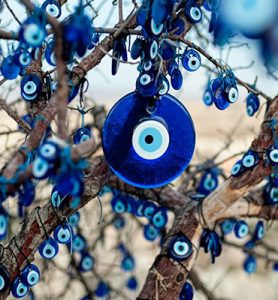
Cyprus maintains ancient traditions of protective talismans and healing herbs that defend against supernatural harm and physical illness. The blue glass evil eye amulet appears everywhere across the island, worn as jewelry, pinned on babies, hung in homes and vehicles. These nazar charms ward off envious gazes that cause spiritual and physical suffering. Garlic cloves dangle near doorways to keep evil forces away, combining multiple protective strategies. lorimorrison-com Silver crosses provide Christian spiritual protection while pre Christian symbols offer additional safeguards. Both Greek and Turkish Cypriot communities share remarkably similar talisman traditions despite political division, proving that folklore unites the island. These protective objects operate alongside modern medicine rather than replacing it, with Cypriots using both systems without seeing contradiction.…

Read more
Adonis in Cyprus – Myth Love and Fertility

Adonis in Cyprus – Myth Love and Fertility

Adonis stands as one of the most compelling figures in Cyprus mythology, a mortal whose extraordinary beauty captured the heart of Aphrodite, goddess of love. The myth of Adonis is a legendary love story that combines tragedy and death on the one hand and the joy of coming back to life on the other. nano-banana The god of beauty, fertility, and permanent renewal originated in Canaanite and Mesopotamian traditions as Adon before being adopted into Greek mythology. His name derives from the Canaanite word adon, meaning "lord." Cyprus played a very significant role in transferring the myth of Adonis and Astarte from the Canaanite regions to the Greeks and from the latter to the Romans, making the island central to…

Read more
Cyprus Film Culture

Cyprus Film Culture

Contemporary Cypriot music is increasingly shaping how the island appears in film, television, and online media. Instead of generic Mediterranean soundtracks, local artists and recognisable sonic textures are being used to support storytelling, atmosphere, and identity. This shift matters because sound influences memory as much as image. When Cyprus is accompanied by its own modern musical voice, representation becomes more specific, more confident, and harder to reduce to cliché. This article explores how that change is happening, where it comes from, and why it matters now. From Background Noise to Cultural Signal For a long time, music in visual media connected to Cyprus served a functional role. It filled silence, supported mood, or softened transitions, but rarely carried cultural weight.…

Read more
Teucer and Salamis Legends Cyprus

Teucer and Salamis Legends Cyprus

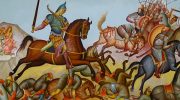
The legend of Teucer and the founding of Salamis stands as one of Cyprus's most enduring foundation myths. This tale connects the island to the world of Greek epic poetry and the aftermath of the Trojan War. Teucer, a legendary archer and warrior, supposedly established the city of Salamis on Cyprus's eastern coast around 1200 BC. visitncy-com The story interweaves tragedy, exile, and renewal. According to ancient sources, Teucer arrived on Cyprus after being banished from his homeland by his father. He brought with him followers from Greece and founded a new city bearing his homeland's name. This myth shaped Salamis's identity for over a millennium and influenced how ancient Cypriots understood their Greek cultural connections. Whether based on historical…

Read more
Dragons, Deep Caves, and Serpent Myths

Dragons, Deep Caves, and Serpent Myths

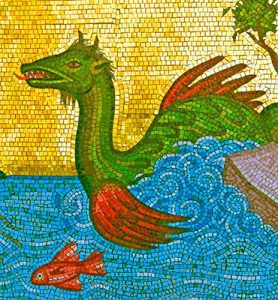
Cyprus possesses a landscape rich with caves, springs, and natural formations that have inspired supernatural stories for thousands of years. The island's geological features, from coastal grottos to mountain springs, became the settings for tales of dragons, serpents, and mysterious creatures that guarded treasures or threatened unwary travelers. pixabay-com These legends blend ancient mythology with local folklore, creating a unique tradition of supernatural stories connected to specific natural sites. The caves and springs of Cyprus served practical purposes as water sources and shelter, but they also held deeper meaning as places where the boundary between the ordinary world and the realm of myth became thin and permeable. Historical Context Serpent and dragon myths in Cyprus trace back to multiple cultural…

Read more
Aphrodite Legends in Cyprus

Aphrodite Legends in Cyprus

Cyprus holds a unique place in Greek mythology as the birthplace of Aphrodite, the goddess of love and beauty. According to ancient legend, she emerged from the sea foam near the southwestern coast of the island, arriving on the shores in a manner that captured the imagination of countless generations. This mythological connection transformed Cyprus into one of the most important religious centers in the ancient Mediterranean world. pixabay-com The island's association with Aphrodite went far beyond simple legend, shaping its culture, religion, and identity for thousands of years. Pilgrims traveled from across the ancient world to visit her sanctuaries, making Cyprus synonymous with the worship of love, beauty, and fertility. Historical Background The birth myth of Aphrodite contains dramatic…

Read more
Haunted Mills and Ruins Across Cyprus

Haunted Mills and Ruins Across Cyprus

Cyprus holds a collection of abandoned places that attract visitors interested in supernatural tales and historical mysteries. These locations range from ghost towns frozen in time to mountain hotels shrouded in dark legends and villages deserted by their residents. cyprusbutterfly-com-cy The island's troubled 20th century history, particularly the 1974 division, created numerous abandoned settlements that locals and visitors now associate with paranormal activity. These sites blend documented historical events with folklore, creating spaces where reality and supernatural stories overlap. Historical Context The modern haunted landscape of Cyprus emerged primarily from two sources. The 1974 Turkish invasion created instant ghost towns when residents fled their homes. dlubal-com Varosha in Famagusta represents the most dramatic example, a once glamorous resort sealed off…

Read more