

Life in Cities and Villages

Life in Cities and Villages

Cyprus Stone Courtyards Architecture

Cyprus Stone Courtyards Architecture

Traditional Cyprus courtyards with stone arches represent the architectural heart of village homes where families conducted daily life away from public view. The avli, as courtyards are called in Greek, functioned as outdoor living rooms enclosed by thick limestone walls exceeding half a meter in depth. Between rooms inside the house, graceful stone archways created a sense of flow and strength while thick wooden beams supported roofs covered with clay tiles. cyprushighlights-com The architecture prioritized both community connection through shared walls with adjacent family compounds and climate adaptation through thermal mass that kept interiors cool in summer and warm in winter. The iliakos, a covered porch created by extending the roof 2 to 3 meters forward on wooden beams or…

Read more
Cyprus Youth Leadership Networks

Cyprus Youth Leadership Networks

In Cyprus, civic life is often learned long before formal politics, through scouts, youth clubs, cultural groups, and community projects where responsibility has real consequences. These organisations teach leadership through practice, from organising festivals and rehearsals to running clean-ups and coordinating volunteers, so accountability becomes a habit rather than an idea. This article explains the main youth pathways into civic participation, how they build trust across communities, and why these structures remain one of Cyprus’s most resilient sources of social cohesion. vlagere-ru Civic learning outside the classroom Much of Cyprus's youth engagement happens through non-formal education. Unlike school curricula, these settings emphasise participation over instruction. Young people learn by organising events, managing groups, resolving disagreements, and working toward shared goals…

Read more
Cyprus Tourist Shuttle Transport

Cyprus Tourist Shuttle Transport

Tourist areas across Cyprus rely on enhanced shuttle services during peak summer months to move visitors between hotels, beaches, attractions, and entertainment venues. These seasonal routes operate with extended hours and increased frequency compared to regular year-round schedules. Understanding how these services work helps tourists maximize their time and budget while exploring the island. kiprinform-com How Summer Schedules Differ from Winter Service The summer program for tourist shuttles typically begins in mid-May and runs through September or October. In Ayia Napa and Protaras, buses operate from 6:15 AM until 4:00 AM the following day during peak season. This extended service accommodates the nightlife culture of these resort towns, where clubs and bars stay open past midnight. commons-wikimedia-or Regular winter schedules…

Read more
Cyprus Youth Music and Dance Initiatives

Cyprus Youth Music and Dance Initiatives

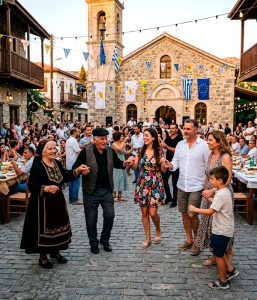
In Cyprus, music and dance often arrive in a young person’s life long before anyone calls them “heritage.” They appear in school assemblies, in family celebrations, and in the easy confidence of a village circle dance that seems to know its own steps. Youth initiatives across the island connect inherited traditions with contemporary expression, shaping identity and confidence while helping the next generation reinterpret culture in a society built at a crossroads. avia-discount A Cultural Education That Starts Early For many children, traditional rhythms and movements are first encountered casually, through school programs, local associations, or community gatherings, where participation matters more than perfection, and the goal is simply to join in. financialmirror-com Two learning paths tend to develop side…

Read more
Traditional Cypriot Houses: Courtyards and Climate

Traditional Cypriot Houses: Courtyards and Climate

Traditional Cypriot houses were designed as working systems for heat, privacy, and shared family life, using local stone, inward-facing layouts, and courtyards that cooled and organised daily routines. Over centuries, builders added layers rather than replacing the whole, blending arches, timber projections, and flexible rooms into a coherent domestic logic that still feels practical today. This article explains how courtyards, materials, and spatial features like the kamara and sachnisi made these homes resilient, and why restoration efforts aim to preserve function as well as appearance. pinterest-com Architecture That Accumulated Over Centuries Cyprus rarely erased its past when new powers arrived. Instead, architectural ideas accumulated. Neolithic stone foundations, Byzantine masonry, Lusignan arches, Venetian defensive logic, and Ottoman wooden additions coexist within…

Read more
Cyprus Urban Transport Systems

Cyprus Urban Transport Systems

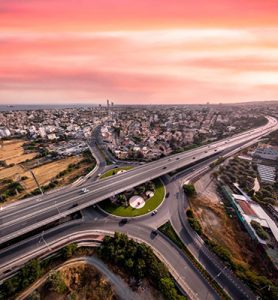
Cyprus cities have started taking serious steps to fix their transport problems. The island nation ranks fifth globally in car ownership per capita, with over 658 automobiles per 1,000 people. This heavy reliance on private vehicles has created congestion and parking nightmares in urban centers. The government and municipalities are now working to create better parking systems and promote alternative transport options. in-cyprus-philenews-com How Parking Works in Major Cyprus Cities Nicosia charges the highest parking rates among Cyprus cities, with fees varying by location and hourly rates ranging from €0.50 to €2. The capital's central areas fill up quickly on weekdays, and many streets operate as one-way systems. Multi-level facilities like Eleftheria Square Parking offer over 500 spaces within walking…

Read more
Cyprus Public Transportation System

Cyprus Public Transportation System

Cyprus operates a bus-based public transportation network that serves all major cities and most tourist areas across the island. The system consists of urban buses within cities, intercity buses connecting major towns, airport shuttle services, and rural routes linking villages to nearby urban centers. commons-wikimedia-org. Since the last passenger railway closed in 1951, buses represent the only form of public mass transit available to Cypriots and visitors. However, despite having 3.2 buses per 1,000 inhabitants, double the EU average of 1.6, Cyprus records some of Europe's lowest public transport usage. Only 3 percent of journeys in Greater Nicosia use public transportation, while the island maintains one of the world's highest car ownership rates at 658 automobiles per 1,000 people. This…

Read more
Public Services and Governance in Cyprus

Public Services and Governance in Cyprus

Cyprus operates as a presidential representative democratic republic where the President serves as both head of state and head of government. Executive power is exercised by the government, while legislative power rests with both the government and the House of Representatives. The judicial branch remains independent of both executive and legislature. en-wikipedia-org. Cyprus joined the European Union in 2004 and adopted the euro in 2008, aligning its governance structures with EU standards and regulations. The government consists of the President, Council of Ministers, and various ministries and departments that deliver services to approximately 1.38 million residents and thousands of businesses. Digital Transformation Accelerates in 2026 Cyprus has outlined a broader push to digitalize public administration in 2026 after expanding online…

Read more
Cyprus’s Stone-Lined Alleyways

Cyprus’s Stone-Lined Alleyways

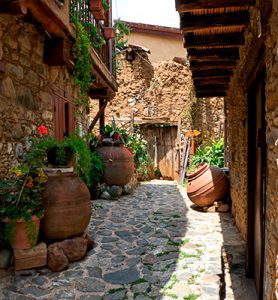
Cyprus is often remembered for its coastline and monuments, but some of its most revealing spaces are far smaller. Across old towns and villages, narrow stone-paved alleyways quietly preserve the rhythms of daily life shaped over centuries. These lanes were built for walking, shade, proximity, and defense, yet today they also form natural visual paths that guide the eye forward. They are not designed for photography, but they invite it effortlessly. Facebook-comleptosestates-com Streets That Were Never Meant to Impress Cyprus’s stone-lined alleyways were not created as scenic features. They emerged from necessity. In older settlements, streets were built narrow to conserve space, reduce heat, and protect residents from wind and sun. Homes faced inward, and movement happened on foot, by…

Read more