Nature, Sea and Landscapes

Nature, Sea and Landscapes

Environmental Legislation in Cyprus

Environmental Legislation in Cyprus

Cyprus maintains an extensive environmental legal system designed to protect natural resources, manage pollution, preserve biodiversity, and promote sustainable development. As a European Union member since 2004, the island has harmonized national laws with over 300 EU environmental directives and regulations. The framework addresses air and water quality, waste management, nature conservation, climate change, and industrial emissions. This legal infrastructure aims to balance economic development with environmental protection across both public and private sectors. The Evolution of Cyprus Environmental Law Environmental governance in Cyprus formally began in 1986 with the establishment of the Environmental Service, which evolved into the Department of Environment in 2010. The first Director of the Service was appointed in 1992. Early environmental measures focused primarily on…

Read more
Research & Environmental Collaboration In Cyprus

Research & Environmental Collaboration In Cyprus

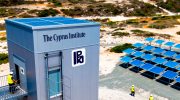
Cyprus has developed into a recognized center for environmental research in the Eastern Mediterranean and Middle East region. Multiple research institutions conduct studies on climate change, air and water quality, biodiversity, energy systems, and agricultural sustainability. These organizations collaborate with international partners from Europe, North America, and the Middle East to address environmental challenges through scientific investigation, technological innovation, and policy development. The research infrastructure spans government agencies, independent research centers, universities, and private sector partners who share data, resources, and expertise. Building the Research Foundation The Cyprus Institute stands as the primary driver of environmental research since its establishment in 2005 under the Cyprus Research and Educational Foundation. Planning occurred between 2000 and 2004, led by international scholars including…

Read more
Northern Coast Beaches of Cyprus

Northern Coast Beaches of Cyprus

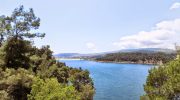
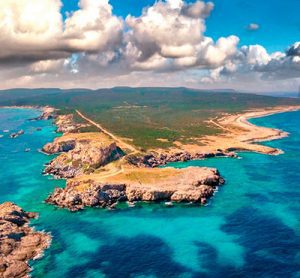
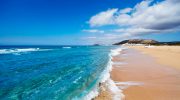
The northern coastline of Cyprus stretches from Morphou Bay in the west to the Karpasia Peninsula in the east, offering over 100 beaches of varied character. Unlike the southern coast dominated by golden sands, the northern shores feature more pebble beaches interspersed with sandy coves and dramatic cliffs. The Kyrenia mountain range, also called the Pentadaktylos or Five Finger Mountains, rises directly behind the coast, creating spectacular backdrops where pine covered peaks descend to turquoise waters.  The northern beaches remain less developed than their southern counterparts, with many small coves hidden behind rock formations requiring exploration to find. This area falls within Turkish controlled Cyprus, accessible through checkpoints from the Republic of Cyprus. The coastline varies dramatically from long stretches…

Read more
Riparian River Ecosystems

Riparian River Ecosystems

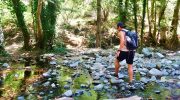
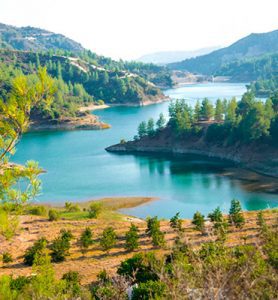
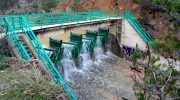
Riparian River Ecosystems in Cyprus consist of seasonal rivers that support freshwater fish, amphibians, and riparian vegetation along valleys. These ecosystems, characterized by intermittent flows, create dynamic habitats where water-dependent species thrive during wet seasons and adapt during dry periods. They play a vital role in the island's biodiversity, linking upland mountains to coastal plains and highlighting nature's resilience in a Mediterranean climate. https://www.youtube.com/watch?v=YQZWrupxisY A Timeless Riparian Ecosystem Riparian river ecosystems form the lifelines of Cyprus's valleys, where seasonal streams carve through landscapes, nourishing narrow bands of vegetation and wildlife. These rivers, like the Pedieos and Kargotis, flow mainly in winter and spring, fed by Troodos rains, creating lush corridors amid arid surroundings. Riparian zones - the interfaces between land…

Read more
Cyprus Sustainable Diving and Sea Life Conservation

Cyprus Sustainable Diving and Sea Life Conservation

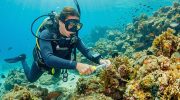
Cyprus diving operations have integrated conservation practices into their regular activities to protect Mediterranean marine ecosystems. Dive centers conduct underwater cleanups, monitor sea turtle populations through photo identification databases, and train divers to remove marine debris without disturbing habitats. The approach combines tourism with active environmental stewardship, transforming recreational diving into a tool for marine conservation. The island's waters support endangered species, including green sea turtles, loggerhead turtles, and the critically endangered Mediterranean monk seal. Posidonia oceanica seagrass meadows create essential habitats for hundreds of marine species. Five marine protected areas covering approximately 134 kilometers of coastline in the Turkish-occupied part of Cyprus and mapped seagrass beds in the south provide frameworks for conservation efforts that diving operations help implement.…

Read more
Cyprus Sustainable Tourism Standards

Cyprus Sustainable Tourism Standards

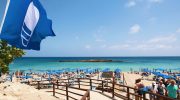
Cyprus operates one of the Mediterranean's most comprehensive eco-certification systems for tourism businesses and beaches. These certifications verify environmental performance, safety standards, and sustainable practices through strict criteria and regular audits. The island participates in internationally recognized programs managed by the Foundation for Environmental Education, the Global Sustainable Tourism Council, and independent certification bodies. Hotels, restaurants, beaches, and marinas pursue certification to demonstrate environmental responsibility, reduce operational costs, and meet growing consumer demand for sustainable tourism. The certification process requires documentation, training, operational changes, and annual verification. Cyprus currently maintains 66 Blue Flag certifications for beaches and marinas, while Green Key certification gains momentum among hospitality businesses. Building Certification Systems from the Ground Up The Blue Flag program arrived in…

Read more
Eco-Tourism in Cyprus Protected Areas

Eco-Tourism in Cyprus Protected Areas

Eco-tourism in Cyprus has emerged as a significant alternative to traditional beach-centered tourism, with the Akamas Peninsula and Troodos National Forest Park serving as the island's two premier protected natural areas. These regions represent Cyprus's commitment to balancing environmental conservation with responsible tourism development. Together, they encompass diverse ecosystems ranging from coastal landscapes to mountain forests, each offering visitors opportunities to experience the island's biodiversity while supporting preservation efforts. Cyprus ranks among the top five European Union countries in terms of land area covered by the Natura 2000 network, with 28.8% of the island designated as protected territory. This extensive network includes 63 marine and terrestrial sites covering approximately 1,789 square kilometers. The Akamas Peninsula and Troodos National Forest Park…

Read more
Cyprus Climate Patterns 2026

Cyprus Climate Patterns 2026

Cyprus experiences a subtropical Mediterranean climate characterized by hot, dry summers from mid-May to mid-September and rainy, changeable winters from November to mid-March separated by short autumn and spring seasons. The island enjoys between 300 and 340 sunny days annually, making it one of the sunniest places in Europe. However, 2026 continues a troubling pattern of climate variability and extremes that have marked recent years. Variability in annual rainfall is characteristic for the island, and droughts are frequent and sometimes severe. Understanding these patterns becomes crucial for agriculture, water management, and planning across all sectors of Cypriot life. Temperature Patterns Across the Island Cyprus is a region with a hot climate. The day temperatures range from 16 degrees Celsius in…

Read more
Cyprus Scenic Mountain Passes

Cyprus Scenic Mountain Passes

Cyprus mountain roads offer some of the Mediterranean's most spectacular drives, with routes that climb from sea level to nearly 2,000 meters through ancient forests, traditional villages, and panoramic viewpoints. These roads showcase the island's dramatic geography while connecting travelers to centuries of history and natural beauty. Mount Olympus Road The road to Mount Olympus climbs to 1,952 meters above sea level, making it the highest point on the island. Two military bases occupy the summit, one British, limiting public access to the very top. However, roads leading toward the peak provide stunning views of surrounding valleys and forests. The journey starts from several possible directions, with routes from Limassol through Platres being among the most popular. The ascent features…

Read more