Culture and Traditions

Culture and Traditions

Cyprus Identity Heritage Culture

Cyprus Identity Heritage Culture

Cypriot identity is often anchored less in present residence than in a remembered origin, usually a village, a landscape, or a family plot tied to names and stories. Land and place act as evidence of continuity, and after 1974, displacement intensified this logic by turning home into something carried through memory, ritual, and return visits rather than daily access. This article explains how villages, language, minority community anchors, family houses, and diaspora ties keep belonging active across the island and beyond. kiprinform-com Land as Memory, Not Just Ground The connection between Cypriots and land stretches back thousands of years. Early communities depended on shared soil for survival, and this dependence shaped how people understood themselves in relation to their surroundings.…

Read more
Cyprus Family Social Networks

Cyprus Family Social Networks

In Cyprus, kinship is a social and economic infrastructure, shaping identity, housing, childcare, business decisions, and the way trust is established in everyday life. Extended families often function across multiple homes, keeping resources close through inheritance expectations, shared labour, and rituals that renew obligation and belonging. This article explains how these networks work across communities and the diaspora, why they remain resilient after modernisation and division, and what they still provide when formal systems fall short. commons-wikimedia-org. Family as the Island’s Social Anchor Cypriot society has long been organised around the household rather than the individual. Historically, survival depended on cooperation between close relatives, particularly in agricultural communities where land, labour, and risk were shared. This produced a culture in…

Read more
Cyprus Sundays: The Weekly Family Reset

Cyprus Sundays: The Weekly Family Reset

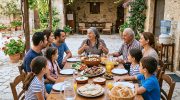
In Cyprus, the Sunday family gathering is a weekly social infrastructure, bringing extended relatives together for long meals that renew trust, care, and hierarchy without formal rules. Rooted in older agrarian and Orthodox rhythms, it persists in modern towns and cities because it offers a reliable reset: shared food, flexible time, and conversation that keeps the family network active. This article explains how the ritual works from souvla preparation to coffee and tavli, and why its slow pace remains one of Cyprus’s most durable forms of belonging. quinta-ru A Ritual Designed for Presence The Sunday family gathering is not organised for efficiency or convenience. It exists to preserve connection. In a country shaped by migration, political division, and economic change,…

Read more
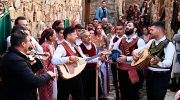
Cyprus Folk Instruments Tradition

Cyprus Folk Instruments Tradition

Cypriot folk music is not built around concerts or recordings. It is built around people standing face to face, marking time together, and using sound to guide moments that matter. At the centre of this tradition are two instruments, the viola and the laouto, whose partnership has shaped weddings, village festivals, and communal gatherings for centuries. More than musical tools, they function as social anchors, carrying memory, rhythm, and identity across generations. en-wikipedia-org Understanding these instruments means understanding how music in Cyprus has always been lived, not simply performed. A Musical Language Shaped by Place Cyprus sits at a cultural crossroads, and its traditional music reflects this position clearly. The island absorbed Byzantine chant, Eastern Mediterranean modal systems, and later…

Read more
Two Festivals, One Island

Two Festivals, One Island

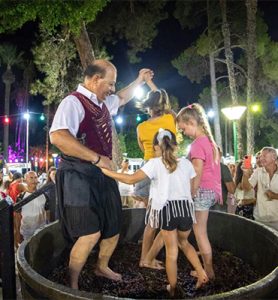
Cyprus expresses its culture best when it gathers people together in public spaces, after sunset, with music in the air and tradition close at hand. Two annual festivals capture this instinct especially clearly: the Limassol Wine Festival and the Ayia Napa International Festival. Though different in tone and setting, they reveal how Cyprus balances heritage and openness, local pride and global exchange. Experiencing them side by side offers a clear insight into how celebration functions as a cultural language on the island. kiprinform-com Two Ways of Telling the Same Story At first glance, these festivals appear to represent different worlds. Limassol's event revolves around wine, harvest traditions, and large-scale public gatherings, while Ayia Napa's focuses on music, performance, and international…

Read more
Traditional Weaving in Cyprus

Traditional Weaving in Cyprus

Basket weaving dates from ancient times in Cyprus when baskets served a range of specific practical purposes from carrying agricultural produce to storing food. The practice of weaving was highly developed during Byzantine times and has been passed down through generations to the present day. mavink-com The Materials and Methods of Making Baskets Basket makers traditionally harvest materials from Cyprus's bountiful countryside. Water reeds, grasses, rushes, bamboo, terebinth branches, and stems from aquatic plants all serve as raw materials. The village of Akrotiri became particularly famous for its soft baskets woven from marsh reeds. Men and women in villages across the island would balance techniques and artistry to create beautiful baskets both for their own use and to earn a…

Read more
Panigyria Festivals and Village Traditions

Panigyria Festivals and Village Traditions

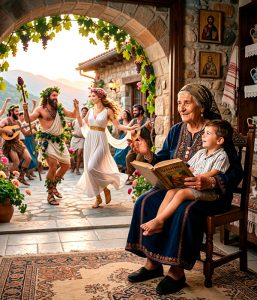
Village festivals in Cyprus, known as panigyria, are feast-day gatherings where worship, food, music, and shared space briefly restore villages to their fullest social life. Anchored to patron saints and seasonal rhythms, they pull families back from cities and the diaspora, turning squares and streets into places of blessing, hosting, and collective memory. This article explains how panigyria work from procession to shared tables, why each village’s celebration feels distinct, and how visitors can participate without disrupting the local rhythm. cyprusdiscovery-com At a glance • What they are: village feast days tied to saints, seasons, or harvests• Where they thrive: rural and mountain villages across Cyprus• Best time: late spring through early autumn• What defines them: faith, food, music, shared…

Read more
Architecture of Thread: Lace in Streets

Architecture of Thread: Lace in Streets

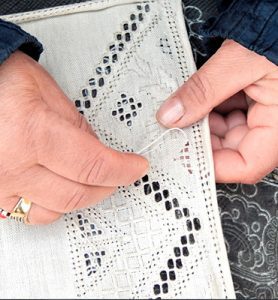
In a handful of European towns, lace is not confined to drawers or museums, but spills into streets, shopfronts, and daily routines, turning private handwork into public identity. From Pano Lefkara in Cyprus to Burano, Idrija, and Croatian lace centres, makers and local institutions keep the craft visible so it continues to shape how places look and how they remember themselves. This article traces how lace moved into urban space, what each town’s setting adds to the tradition, and why visibility is the key to lace surviving as living heritage. footontheroad-com When Lace Leaves the Home Lace has traditionally belonged to the domestic world. It was made indoors, often by women, and passed down quietly through generations. What makes certain…

Read more
Cyprus Evening Life – Social Activities After Sunset

Cyprus Evening Life – Social Activities After Sunset

Cyprus after dark offers a distinctive social scene that differs greatly from typical European nightlife. Rather than rushing between clubs or bars, Cypriots embrace a slower, more communal approach to evening hours. The island's social life centers on conversation, connection, and shared experiences that stretch late into the night. gettyimages-com From traditional coffee shops filled with the click of tavli pieces to seaside promenades where families stroll until midnight, evening activities reflect values of hospitality and togetherness that define Cypriot culture. This relaxed approach to nighttime socializing creates an atmosphere where age, background, and status fade into the background. Historical Context The tradition of evening social activities in Cyprus traces back thousands of years. Ancient Greeks gathered in public spaces…

Read more