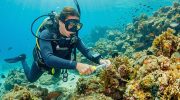
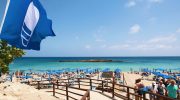
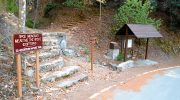
Eco-tourism in Cyprus has emerged as a significant alternative to traditional beach-centered tourism, with the Akamas Peninsula and Troodos National Forest Park serving as the island’s two premier protected natural areas. These regions represent Cyprus’s commitment to balancing environmental conservation with responsible tourism development. Together, they encompass diverse ecosystems ranging from coastal landscapes to mountain forests, each offering visitors opportunities to experience the island’s biodiversity while supporting preservation efforts.
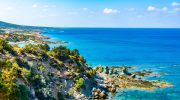
Cyprus ranks among the top five European Union countries in terms of land area covered by the Natura 2000 network, with 28.8% of the island designated as protected territory. This extensive network includes 63 marine and terrestrial sites covering approximately 1,789 square kilometers. The Akamas Peninsula and Troodos National Forest Park stand as the largest and most visited of these protected areas, attracting both international travelers and local residents seeking natural experiences.
Development of Protected Area Tourism in Cyprus
The concept of protected areas in Cyprus developed gradually through the 20th century. Until 2000, the Akamas Peninsula remained under British military use as an exercise and firing range. Following the Treaty of Establishment, which allowed British forces use of the area for up to 70 days annually, the peninsula’s ecological value became increasingly recognized. Environmental organizations, including the Green Party of Cyprus, Greenpeace, and Friends of the Earth, began advocating for stronger protection measures.
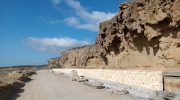
In 2009, the government designated portions of Akamas as part of the Natura 2000 network, though only 50% of the originally proposed area received protection. This partial designation sparked ongoing debates about development pressures, particularly regarding the planned A7 motorway between Polis and Paphos. Conservation groups continue working toward full national park status for the entire peninsula.
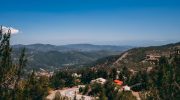
Troodos National Forest Park was officially declared in 1992, covering 9,147 hectares around Mount Olympus. The designation aimed to protect the area’s ecological, recreational, hydrological, and geological values. Four areas within the park, totaling 220 hectares, were declared Nature Reserves. The park became part of the Natura 2000 network, with five designated protection areas totaling 1,408 hectares. These sites host habitats protected under the EU Birds Directive and Sites of Community Importance under the EU Habitats Directive.
Biodiversity and Natural Features of Both Regions
The Akamas Peninsula covers 230 square kilometers at the northwest extremity of Cyprus. The area supports over 600 plant species, with 39 of Cyprus’s 128 endemic plant species found within the peninsula.
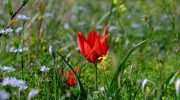
Notable endemic species include Alyssum akamasicum, found nowhere else on Earth, Cyprus tulip, Cyprus cyclamen, and various orchid species. The landscape ranges from golden sandy beaches and dramatic cliffs to arid plains and forested mountains.
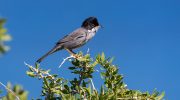
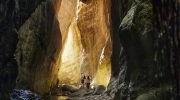
Avakas Gorge represents one of the peninsula’s most impressive features, with limestone rock walls reaching 30 meters high. The gorge formed over thousands of years through water erosion, creating narrow passages with unique light conditions and lush vegetation. Wildlife in Akamas includes fruit bats that inhabit limestone caves, griffon vultures, Cyprus warblers, scops owls, and over 160 bird species. The endangered Mediterranean monk seal occasionally appears in coastal waters.
Lara Bay serves as one of the Mediterranean’s most important nesting sites for green and loggerhead sea turtles. A turtle hatchery operates during the nesting season from May through August, with conservationists monitoring nests and protecting eggs. This conservation work demonstrates the integration of eco-tourism with species protection.
Troodos National Forest Park contains approximately 750 plant species, with 72 endemic to Cyprus and 12 exclusive to the park itself. The dominant forest trees include black pine and Calabrian pine, with golden oak appearing throughout the park. The area hosts numerous endemic species named after the mountain range, including Alyssum troodi, Nepeta troodi, and Scorzonea troodea. The park provides the only or primary habitat in Cyprus for cold-climate species such as wild service tree, foetid juniper, cotoneaster, and barberry.
Eco-Tourism Activities and Visitor Experiences
The Akamas Peninsula offers several approaches to eco-tourism. With no paved roads through the interior, visitors explore via organized jeep tours, hiking, or mountain biking. Popular hiking trails include routes to Avakas Gorge and the Baths of Aphrodite, a freshwater grotto associated with mythological tales where the goddess supposedly bathed. Boat tours from Latchi provide access to the Blue Lagoon, offering swimming and snorkeling opportunities in crystal-clear waters.
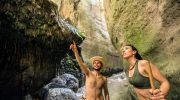
The peninsula’s coastal caves and secluded bays remain largely undeveloped, providing alternatives to crowded tourist beaches. Conservation-focused tours educate visitors about the sea turtle nesting program and the importance of preserving fragile ecosystems. Villages surrounding the peninsula, including Neo Chorio and Polis, offer traditional Cypriot hospitality and serve as gateways to the protected area.
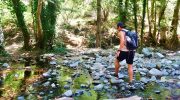
Troodos National Forest Park provides extensive facilities for eco-tourism. Nine picnic sites throughout the park offer tables, drinking water, parking areas, toilets, and playgrounds at no charge. Three camping sites allow overnight stays for a nominal fee, with one site near Troodos Square offering upgraded facilities for extended stays. Ten nature trails totaling approximately 57.6 kilometers provide varied hiking experiences, including the seven-kilometer circular Artemis trail and the 14-kilometer Atalanti trail.
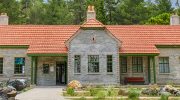
The Troodos Geopark visitor center, located 200 meters west of Troodos Square, opened in 2002 as the first center of its kind in Cyprus. It includes exhibition galleries, a film theater, and information about the area’s unique geology. The Troodos Botanical Garden at the old Amiantos mine site showcases 150 flora species. These educational facilities support the park’s role as both a recreation area and outdoor classroom.
Economic and Social Benefits of Protected Area Tourism
Natura 2000 sites across Europe provide substantial economic benefits through recreation and tourism. These sites annually provide between 200 to 300 billion euros, hosting 1.2 to 2.2 billion visitors per day and generating between 5 and 9 billion euros in recreational benefits. Cyprus’s protected areas contribute to these figures while supporting local economies in mountain villages that have experienced depopulation due to urbanization.
Promoting Troodos National Forest Park as a tourism destination offers long-term economic benefits for communities surrounding the park. Survey data indicates increased recreational activities among Cypriots, including hiking and photography, representing a shift away from traditional picnic-centered visits. This change brings potential health and wellbeing benefits alongside economic impacts.
Integration with Modern Cyprus Life
Protected area eco-tourism has become integrated into Cypriot culture, particularly as awareness of environmental issues increases. Weekend visitors from Limassol and Nicosia regularly travel to Troodos for cooler temperatures and natural surroundings. This domestic tourism pattern supports local economies while reducing pressure on coastal areas.
Educational programs through schools and environmental organizations introduce young Cypriots to their island’s biodiversity. Field trips to both Akamas and Troodos provide hands-on learning about ecosystems, endemic species, and conservation principles. These experiences build appreciation for natural heritage among future generations.
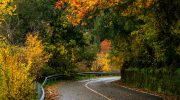
The growing emphasis on sustainable tourism aligns with global trends favoring authentic nature experiences over mass tourism destinations. Cyprus positions itself as a diverse destination extending beyond beach resorts, with protected areas playing key roles in this image. International recognition of the Natura 2000 network strengthens the island’s environmental credentials.
Cyprus’s protected areas demonstrate that economic development and conservation can coexist through proper management. The ongoing challenges faced by both Akamas and Troodos highlight the need for continued vigilance, strong enforcement of protection measures, and public support for conservation objectives. These natural areas represent valuable assets for current residents and future generations, providing ecological services, recreational opportunities, and connections to Cyprus’s natural heritage.