Birds and Marine Life

Famagusta Salt Lake Formations & Flamingos

Famagusta Salt Lake Formations & Flamingos

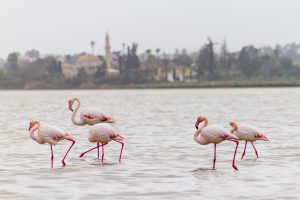
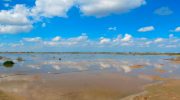
The Famagusta district hosts several seasonal salt lakes and wetlands that transform dramatically between summer and winter. Paralimni Lake, a natural seasonal wetland in the Famagusta district, is one of the few remaining wetlands of its kind in Cyprus. Facebook-comDimitris-Vetsikas This shallow water body covers approximately 350 hectares and represents the largest natural inland lake on the island. North of the city of Famagusta Glapsides Salt Lake, a smaller coastal salt lake favored by migrating birds. These wetlands share common geological origins and ecological functions despite their different locations within the district. Ancient Seas and Modern Salt Lakes The formation of Cyprus's salt lakes connects to both recent geological history and ancient Mediterranean events. Around 5.96 to 5.33 million years…

Read more
Rare Birds of Cyprus

Rare Birds of Cyprus

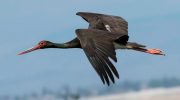
Cyprus sits at the heart of one of the four major migration flyways between Europe and Africa. This strategic location makes the island a critical stopover point for millions of birds traveling between continents each year. The position roughly 50 miles south of Turkey and 60 miles west of Syria places Cyprus directly in the path of birds moving between breeding grounds in Europe and wintering areas in Africa. Among the most spectacular visitors are greater flamingos, multiple heron species, and the elusive black stork. es-wallpaper-mob-org These rare birds depend on Cyprus's wetlands, salt lakes, and coastal areas for rest and feeding during their long journeys. The island's network of protected sites provides essential habitat that supports not just individual…

Read more
Rare Birds of Cyprus

Rare Birds of Cyprus

Cyprus sits at the heart of one of the four major migration flyways between Europe and Africa. This strategic location makes the island a critical stopover point for millions of birds traveling between continents each year. The position roughly 50 miles south of Turkey and 60 miles west of Syria places Cyprus directly in the path of birds moving between breeding grounds in Europe and wintering areas in Africa. Among the most spectacular visitors are greater flamingos, multiple heron species, and the elusive black stork. Shutterstock-com These rare birds depend on Cyprus's wetlands, salt lakes, and coastal areas for rest and feeding during their long journeys. The island's network of protected sites provides essential habitat that supports not just individual…

Read more