Local Cuisine and Seafood

Three Dishes Define Cypriot Food Culture

Three Dishes Define Cypriot Food Culture

Cypriot cuisine is often described through individual recipes, yet its deeper identity emerges through patterns of use rather than isolated dishes. Makaronia tou Fournou, kolokasi, and traditional sweets occupy very different places on the table, but together they reveal how Cypriots eat across time, season, and social setting. One dish marks a celebration, one sustains daily life, and one formalises hospitality. Seen together, they form a practical map of how food functions in Cypriot culture. These foods do more than taste distinct. They organise social life. They reflect land, climate, economy, and ritual. To understand them is to understand how Cypriots structure eating itself. Makaronia tou Fournou and the Language of Celebration Makaronia tou Fournou is the dish most closely…

Read more
Street Food in Cyprus

Street Food in Cyprus

Cyprus street food traces its roots to ancient Mediterranean trading ports where vendors sold quick, affordable meals to sailors, merchants, and laborers. Today the tradition continues across busy city streets, village festivals, church forecourts, and coastal promenades. Unlike the homogenized fast food chains that dominate many countries, Cypriot street food remains deeply local, with recipes passed through generations and preparations visible to customers. checkincyprus-com The ingredients reflect the island's agricultural abundance, from fresh pork and lamb to local herbs, olive oil, and seasonal vegetables. Street eating in Cyprus differs fundamentally from a quick meal, it represents a social activity where queues become conversations and vendors know their regular customers by name and usual order. Souvlaki and Cypriot Pita Define Street…

Read more
Louvi Cyprus Dish

Louvi Cyprus Dish

Louvi is one of Cyprus’s most familiar meals, yet it is rarely described in grand terms. Made from black-eyed peas cooked with seasonal greens and finished with olive oil and lemon, it belongs to a category of food that does not seek attention. Louvi exists to nourish, to repeat, and to sustain. More than any celebratory dish, it reflects how Cypriots have cooked for themselves over generations, adapting to land, climate, and routine rather than occasion. cyprusfoodmuseum-com This is not festival food. It is a daily food. And in that quiet repetition, Louvi reveals more about Cypriot home cooking than any elaborate recipe ever could. A Meal Built Around Necessity, Not Display At its core, Louvi is simple. Black-eyed peas…

Read more
Traditional Cypriot Cuisine

Traditional Cypriot Cuisine

Cypriot cuisine developed at the crossroads of Greek, Turkish, Middle Eastern, and Levantine culinary traditions. The island's fertile red soil, Mediterranean climate, and proximity to three continents created a food culture that combines fresh local produce with flavors from distant trading partners. Cyprus has more than 300 days of sunshine annually, producing vegetables, fruits, and herbs that burst with intensity. kiprinform-com The cuisine prioritizes simple preparation methods, seasonal ingredients, and shared eating experiences over complex techniques. Olive oil, fresh herbs, charcoal grilling, and slow cooking define the core approach. What separates Cypriot food from neighboring Greek cuisine is the stronger Middle Eastern and Turkish accent, visible in dishes using tahini, bulgur, and caul fat that you rarely encounter on mainland…

Read more
Why Cypriot Halloumi Holds Global Culinary Status

Why Cypriot Halloumi Holds Global Culinary Status

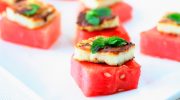
The global halloumi market is approximately 500 million dollars in sales per year, and the UK is the largest importer, with halloumi accounting for 13.4 percent of exports from the Republic of Cyprus. kibrisgenctv-com This semi-hard cheese has transformed from a rural Cypriot staple into a global culinary phenomenon, appearing on restaurant menus from London to Tokyo and dominating barbecue grills across continents. What began as a practical way for Mediterranean shepherds to preserve milk has become one of the world's most distinctive and sought-after cheeses. What Makes Halloumi Physically Unique The production process creates halloumi's distinctive characteristics. The most crucial step involves boiling the pressed curds in hot whey collected during pressing for at least 30 minutes, a process…

Read more
Sheftalia Cypriot Street Food

Sheftalia Cypriot Street Food

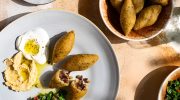
Sheftalia is a traditional Cypriot sausage made from ground meat wrapped in caul fat, a thin membrane that surrounds animal organs. The mixture uses pork, lamb, or a combination of both, along with finely chopped onions, fresh parsley, and basic seasonings. trskinfo-ru The meat is formed into oval shapes and encased in the lacy caul fat before grilling over charcoal. Unlike standard sausages that use casings, sheftalia relies on this natural membrane that melts during cooking. This creates a crispy exterior while the fat bastes the meat from the outside, keeping it tender and moist inside. The name comes from the Turkish word "şeftali," which means peach, likely referring to the texture or appearance of the finished product. Historical Context…

Read more
Cyprus Artisanal Sweets

Cyprus Artisanal Sweets

Cyprus has developed a distinctive collection of traditional sweets that reflect centuries of cultural exchange between Greece, the Middle East, and the Mediterranean. These artisanal treats are not luxury items but essential parts of daily life, religious celebrations, and village festivals. shutterstock-com From honey-soaked dough balls to sesame confections and refreshing milk puddings, Cypriot sweets combine simple ingredients with time-tested techniques to create memorable flavors. Each sweet tells a story of the island's agricultural abundance, its position as a crossroads of civilizations, and its commitment to preserving culinary heritage. Historical Context The tradition of sweet-making in Cyprus dates back to ancient Greece and Byzantium. Historical texts reveal that many current recipes have roots in Byzantine-era treats called plakoundes, pemmata, or…

Read more
Cyprus Kleftiko Dish

Cyprus Kleftiko Dish

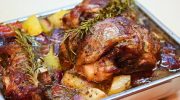
Kleftiko is one of the most recognisable dishes in Cyprus, yet its importance has little to do with flavour alone. This slow-cooked lamb, sealed away from air and fire, tells a story of survival, patience, and rural ingenuity. themediterraneandish-com More than a recipe, Kleftiko reflects how Cypriots adapted to hardship and turned necessity into tradition. Understanding it means understanding why time, restraint, and shared meals still matter deeply on the island. A Dish Built on Secrecy and Time At its core, Kleftiko is lamb or goat cooked slowly in a sealed environment. The defining feature is not the meat itself, but the method. By trapping steam and heat, the meat softens gradually, breaking down until it can be pulled apart…

Read more
Trahanas Preserving In Cyprus

Trahanas Preserving In Cyprus

Trahanas is not a soup in the usual sense. It is a solution shaped by necessity. Long before refrigeration, electricity, or supermarkets, Cypriot households needed a way to preserve the abundance of summer milk and turn it into nourishment for the colder, damp months that followed. Trahanas emerged as a practical answer to this challenge, turning perishable ingredients into a stable, nourishing reserve. homeiscyprus-com Tangy, filling, and deeply comforting, trahanas sits at the centre of Cyprus’s food memory not because it is impressive, but because it worked when it mattered most. To eat trahanas is to taste the logic of survival shaped by land, climate, and patience. A Food Designed to Last, Not Impress At its core, trahanas is made…

Read more