
Cyprus Markets – Community in Motion

Cyprus Markets – Community in Motion

Markets in Cyprus are social infrastructure, linking farmers, artisans, and households through weekly routines where conversation and trust are part of the transaction. From municipal market halls to the laiki agora and festival fairs, these spaces connect rural production to urban life while preserving the island’s slower siga-siga rhythm in public. This article explains how different market types function, what seasonal goods reveal about Cypriot culture, and why markets remain economically useful precisely because they keep community visible. Markets Before Shops Existed Long before supermarkets or fixed retail spaces existed, Cyprus relied on open exchange shaped by geography and necessity. Positioned between Europe, Asia, and Africa, the island developed early trade networks during the Bronze Age that prioritised personal interaction…

Read more
Community Festivals in Cyprus

Community Festivals in Cyprus

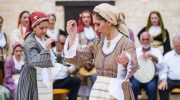
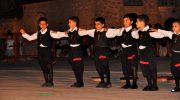
Community festivals in Cyprus center on panigyria, traditional religious fairs that combine Orthodox liturgy with secular celebration through music, dancing, and shared meals. These village gatherings honor patron saints on their designated feast days, transforming quiet rural communities into vibrant hubs where extended families reunite, traditional customs are maintained, and social bonds strengthen. The festivals begin with solemn evening Vespers services and icon processions called Litania that wind through village streets, followed by Artoklasia bread blessings where five loaves, wine, and olive oil are consecrated. The next day's Divine Liturgy gives way to festivities featuring folk musicians, tsiattista poetry competitions, traditional circle dances, and food stalls selling loukoumades honey doughnuts, souvla grilled meat, and grape-based sweets. Some panigyria have received…

Read more
Cyprus Youth Leadership Networks

Cyprus Youth Leadership Networks

In Cyprus, civic life is often learned long before formal politics, through scouts, youth clubs, cultural groups, and community projects where responsibility has real consequences. These organisations teach leadership through practice, from organising festivals and rehearsals to running clean-ups and coordinating volunteers, so accountability becomes a habit rather than an idea. This article explains the main youth pathways into civic participation, how they build trust across communities, and why these structures remain one of Cyprus’s most resilient sources of social cohesion. Civic learning outside the classroom Much of Cyprus's youth engagement happens through non-formal education. Unlike school curricula, these settings emphasise participation over instruction. Young people learn by organising events, managing groups, resolving disagreements, and working toward shared goals that…

Read more
Cyprus Village Square Programs

Cyprus Village Square Programs

In Cyprus, summer does not fully arrive until the village square comes alive. As daylight softens and the heat loosens its grip on stone, quiet plateias begin to change character. Chairs appear as if by instinct. A few strings of lights are lifted overhead. Someone tests a violin line that hangs in the warm air for a second, then returns, clearer the next time. Little by little, the square becomes what it has been for centuries: a place where people gather not because they were told to, but because the evening feels incomplete without it. These village cultural programs are not staged spectacles designed for crowds. They are communal summer evenings shaped by habit, hospitality, and rhythm, where locals and…

Read more