Cyprus operates a dual healthcare system that combines universal public coverage with extensive private options. The island introduced its General Healthcare System, known as GESY, in 2019 to provide comprehensive medical services to all legal residents. Understanding how public and private healthcare work helps residents and newcomers make informed decisions about medical coverage and treatment options.

GESY functions as Cyprus’s national health insurance scheme that covers all permanent residents who contribute through mandatory payments. The system replaced a fragmented network of public services with one unified platform that contracts both public and private providers. Employees pay 2.65% of gross salary toward GESY, while employers contribute 2.9%. Self-employed individuals pay 4% of their income, and pensioners contribute 2.65% of pension income. These contributions cap at an annual income of €180,000, meaning earnings above this level do not incur additional GESY payments.
Over 90% of the population has registered with GESY since its launch, making it one of the most comprehensive public healthcare systems in Europe. The scheme covers general practitioners, specialist consultations, laboratory tests, diagnostic imaging, prescription medications, hospital care, physiotherapy, and maternity services. Coverage includes both public hospitals and private facilities that have signed contracts with the Health Insurance Organization.
Understanding Copayment Costs
GESY operates with minimal copayments designed to prevent system abuse while maintaining accessibility. Patients pay €6 per specialist visit with a GP referral, €10 for emergency department visits, and €10 per appointment with healthcare professionals like physiotherapists or nurses. Laboratory examinations cost €1 each with a maximum €10 cap regardless of how many tests the doctor orders. Prescription medications require only €1 copayment for the generic equivalent, though patients choosing brand-name drugs pay the price difference.

Annual copayment caps protect beneficiaries from excessive out-of-pocket expenses. Standard residents face a maximum €300 annual copayment, while vulnerable groups including low-income families, chronic disease patients, and pensioners pay only €75 annually. Once these thresholds are met, all subsequent services become free for the remainder of the year.

Inpatient hospital care carries no copayment charges, making major surgeries and extended hospital stays free for GESY beneficiaries. This financial protection particularly benefits those facing serious illnesses or complex medical procedures that would otherwise create substantial financial burdens.
Private Healthcare Infrastructure
Cyprus maintains a robust private healthcare sector with 134 private facilities including hospitals, polyclinics, diagnostic centers, and independent clinics spread across the island. Major cities host modern private hospitals equipped with advanced medical technology and English-speaking staff. Apollonion Private Hospital in Nicosia, Mediterranean Hospital in Limassol, and St. Raphael facilities in both Limassol and Larnaca represent the leading private institutions.
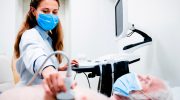
Private healthcare offers several distinct advantages over the public system. Appointment availability typically happens within 24 hours rather than waiting weeks for GESY slots. Patients choose any doctor or facility without network restrictions or referral requirements. Private hospitals provide single rooms with hotel-like amenities, personalized service, and no waiting times for elective procedures. Many top specialists work exclusively in private practice and do not participate in GESY contracts.

Private consultation costs range from €50 to €100 for GP visits and €80 to €150 for specialist appointments. Diagnostic tests like MRI scans cost €200 to €400, while basic surgical procedures start around €1,000. Major surgeries run between €5,000 and €20,000 depending on complexity. A one-day hospital stay without treatment averages €150 to €200, while maternity care including 3 to 4 days hospitalization costs €2,000 to €3,000.
Private Insurance Options and Costs
Private health insurance in Cyprus falls into three main categories. Basic inpatient-only plans cover hospital stays and surgeries, costing €300 to €500 annually for younger individuals. Comprehensive plans, including both inpatient and outpatient coverage, range from €800 to €2,500 per year. International policies providing worldwide coverage typically cost €2,000 to €5,000 annually, appealing to frequent travelers and those who want treatment options outside Cyprus.
Most private plans function as GESY supplements rather than complete replacements. Residents use the public system for routine care and minor issues while relying on private insurance for faster specialist access, elective surgeries, and services that GESY limits. This hybrid approach combines affordable basic coverage with premium options when needed.
Insurance costs increase with age and pre-existing conditions. A 30-year-old might pay €400 annually for comprehensive coverage, while a 60-year-old faces premiums around €1,500 to €2,000 for similar benefits. Family plans covering spouses and children cost proportionally more, with typical family coverage running €1,200 to €3,000 yearly depending on ages and coverage levels.
Non-EU nationals applying for residence permits must purchase private health insurance as a mandatory requirement. The minimum coverage must reach €30,000 and last for the entire permit duration. This requirement applies to digital nomad visas, work permits, and other temporary residence categories.
Comparing Wait Times and Access
GESY waiting times vary significantly by specialty and urgency. Emergency cases receive immediate attention regardless of insurance status. Routine GP appointments typically happen within a week, though popular doctors may book several weeks ahead. Specialist referrals can take 2 to 6 weeks for non-urgent consultations, while elective surgeries often require 3 to 6 months of waiting.

Private healthcare eliminates most waiting entirely. Patients schedule specialist appointments within 24 to 48 hours and undergo elective surgeries within days or weeks rather than months. This speed particularly benefits those with painful conditions, rapidly progressing diseases, or time-sensitive treatment needs.
Public hospitals sometimes face capacity constraints during peak tourist season when population levels spike in coastal areas. Facilities in Paphos and Ayia Napa become overcrowded from June through August, leading to longer emergency room waits and delayed non-urgent procedures. Private facilities maintain consistent service levels year-round due to smaller patient volumes and higher staffing ratios.
Quality Standards and Medical Training
Cyprus ranks 24th globally in the World Health Organization’s healthcare quality assessments, placing ahead of the United States, Canada, and Portugal. The country shows exceptionally low rates of preventable mortality and deaths from treatable causes. Life expectancy reaches 81.7 years, exceeding the European Union average by one year.

Physicians complete rigorous training with six years of medical school followed by additional specialty training. Many Cypriot doctors trained in the UK, United States, or other Western European countries before returning home. English proficiency among medical staff remains high, particularly in private facilities and urban public hospitals. Rural areas may have fewer English-speaking doctors, though most can communicate basic medical information.

Both public and private sectors maintain modern equipment and follow European medical standards. Private hospitals typically feature newer technology and more comfortable facilities, while public hospitals handle higher patient volumes with comparable medical expertise. The Ministry of Health regulates both sectors through strict licensing, accreditation requirements, and quality monitoring programs.
Making the Healthcare Choice
Most residents adopt a hybrid approach that combines GESY coverage with targeted private insurance. GESY contributions are mandatory for employees and most residents, providing baseline protection at minimal cost. Adding private insurance for inpatient care costs €300 to €800 annually and ensures faster access to surgeries without long waiting lists.
Families with young children often choose comprehensive private plans covering outpatient visits, as frequent doctor appointments and pediatric care add up quickly under private pay-per-visit rates. Healthy adults in stable employment may find GESY sufficient for routine needs while maintaining an inpatient-only private plan for major procedures.
Retirees moving to Cyprus must evaluate their specific health needs carefully. EU citizens with S1 forms from their home countries receive full GESY coverage without additional contributions, as their origin countries fund the care. Non-EU retirees must purchase private insurance meeting residence permit requirements, which become more expensive with age and pre-existing conditions.
The Cyprus healthcare system delivers high-quality care through both public and private channels. GESY provides comprehensive universal coverage with minimal copayments that protect against financial hardship from medical expenses. Private options offer speed, choice, and comfort for those willing to pay premium costs. Understanding both systems helps residents access appropriate care while managing healthcare expenses effectively.