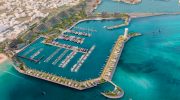
Cyprus operates the third largest merchant fleet in the European Union and ranks 11th globally, with over 25 million gross tons registered. From 2023 to 2024 alone, the fleet expanded by 18%, adding 198 newly registered vessels. What makes this particularly impressive is that Limassol manages more than just the flag registry. The city functions as Europe’s largest third-party ship management center and ranks among the top three worldwide.

More than 200 shipping and maritime-related companies operate from Limassol, handling approximately 20% of the world’s third-party ship management market. This fleet consists of 2,200 vessels representing 50 million gross tons under management. The numbers extend beyond ships. These companies employ nearly 40,000 seafarers, of whom 5,000 are EU nationals.
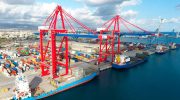
The port itself underwent major modernization between 2009 and 2017. Depths increased to 16 meters in the western basin and 17 meters for the entrance channel, allowing modern cargo and passenger vessels to dock. The port was privatized in 2017, with Eurogate managing the container terminal and DP World operating the multipurpose port. Limassol Port now handles approximately 418,000 TEU annually and serves as a critical transshipment point between Europe, the Middle East, and North Africa.
A Tax-Friendly Financial Center
Cyprus maintains one of the most competitive tax regimes in the European Union, with corporate tax set at 12.5%. The country holds tax treaties with over 45 nations, preventing double taxation for individuals and businesses. The tonnage tax system, approved by the EU until 2030, provides shipping companies with certainty about annual tax obligations.

This tax framework proved so attractive that tonnage tax system registrations increased 15% in 2024 alone. The system covers ship owning, ship management, and chartering, making it unique within the EU where other jurisdictions typically focus on only one or two of these activities.
Limassol has successfully attracted international financial institutions and offshore companies. Currently, 38 banks and over 1,200 International Business Companies maintain fully operational offices in Cyprus. Major global corporations including Wargaming, Amdocs, Exness, FxPro, and MetaQuotes Software have established significant operations in Limassol.
Strategic Location Meets Modern Infrastructure
The city’s position at the crossroads of Europe, Asia, and Africa provides natural advantages. Limassol sits between Cyprus’s two international airports, with Larnaca 50 kilometers away and Paphos 63 kilometers distant. The ports of Limassol and Larnaca handle approximately two-thirds of the island’s sea cargo, functioning around the clock.
Modern telecommunications infrastructure connects Limassol to global markets through advanced cable and satellite networks. The business district continues expanding, with premium commercial office buildings rising to meet demand from international companies.
The city transformed its 15-kilometer coastline into a modern waterfront complete with hotels, restaurants, and the Limassol Marina development.
Highly Qualified Workforce
Cyprus produces a multilingual, well-educated workforce that attracts international employers. The island’s universities and training centers focus heavily on finance, technology, business, and maritime studies. The Cyprus Maritime Academy provides training recognized by leading flag state authorities worldwide, earning a Lloyd’s List Youth & Training Award for its contributions to maritime education.

Professional service firms in Limassol offer specialized support across accounting, law, audit, and business consulting. This ecosystem enables companies to establish operations quickly and maintain them efficiently.
Green Initiatives and Future Growth
Cyprus introduced green incentives for shipowners demonstrating effective greenhouse gas emission reductions. Vessels achieving significant emission cuts qualify for up to 30% reduction in annual tonnage tax. In 2024, 15 companies benefited from these incentives, receiving a combined tax reduction of €100,787 for 68 vessels.
The shipping sector contributes over €1 billion to Cyprus’s economy annually, representing more than 7% of GDP. This percentage far exceeds the contribution rates seen in other European countries with significant merchant shipping sectors.
Challenges and Adaptations
The sector faces headwinds from international sanctions and geopolitical tensions. Service providers have had to seek new markets and develop different products to maintain viability. The increasing demands for digital transformation, cybersecurity compliance, and data protection require continuous investment in technology and training.
Despite these challenges, Limassol continues attracting businesses from the Middle East, India, and China thanks to professional expertise and favorable tax treatment. The city earned recognition as “Europe’s New Riviera” and was ranked by TripAdvisor in 2014 as the third most up-and-coming destination worldwide.
A Cultural Business Hub
Limassol maintains its historical character while embracing modernity. The city center surrounds the medieval Limassol Castle and Old Port, extending far beyond to encompass suburbs stretching along the coast. The population includes significant Russian-speaking, Armenian, and Pontic Greek communities, creating a truly multicultural environment.

Leading figures from Limassol occupy key positions in international shipping associations. The European Community Shipowners’ Associations, InterManager, International Chamber of Shipping, and Women’s International Shipping & Trading Association all count Limassol-based executives among their leadership.
From humble beginnings 50 years ago when German shipping companies first established operations here, Limassol has evolved into a sophisticated financial and maritime center. The combination of strategic location, favorable taxation, modern infrastructure, and skilled professionals positions the city for continued growth as a premier business destination in the Eastern Mediterranean.