
Markets in Cyprus are social infrastructure, linking farmers, artisans, and households through weekly routines where conversation and trust are part of the transaction. From municipal market halls to the laiki agora and festival fairs, these spaces connect rural production to urban life while preserving the island’s slower siga-siga rhythm in public.

This article explains how different market types function, what seasonal goods reveal about Cypriot culture, and why markets remain economically useful precisely because they keep community visible.
Markets Before Shops Existed
Long before supermarkets or fixed retail spaces existed, Cyprus relied on open exchange shaped by geography and necessity. Positioned between Europe, Asia, and Africa, the island developed early trade networks during the Bronze Age that prioritised personal interaction as much as material exchange.
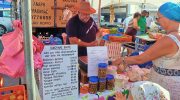
This emphasis on relationship never disappeared. In Cypriot markets today, the exchange is still social before it is economic. Vendors recognise regular customers. Buyers return to the same stalls week after week. A short conversation often comes before the price is mentioned. What survives here is not nostalgia, but a practical system built on trust and familiarity.
Markets, in this sense, are not relics of the past. They are working systems that continue to function because they meet human needs that efficiency alone cannot replace.
Three Formats, Three Rhythms
Modern Cyprus supports several distinct market forms, each serving a different rhythm of life.

Municipal markets, often housed in stone buildings from the late Ottoman or British periods, operate as permanent neighbourhood anchors. Weekly farmers’ markets, known locally as laiki agora, bring producers directly into residential areas on specific days, temporarily reshaping streets into social corridors. Village festivals and seasonal fairs expand this idea further, blending trade with celebration and reinforcing local pride.
Each format reflects scale rather than hierarchy. None replaces the others. Together, they create a flexible system that adapts to urban density, rural isolation, and seasonal change.
Municipal Halls With New Life

In cities like Nicosia, Limassol, and Larnaca, markets act as connective tissue between old neighbourhoods and modern lifestyles.
Nicosia’s open-air markets, set against Venetian walls or municipal spaces, bring rural producers into direct contact with urban residents. These markets are practical, efficient, and deeply social. They also demonstrate how historic urban infrastructure can remain useful without becoming decorative.
Limassol’s market revival tells a similar story. Once neglected areas around the old municipal market have become active again, not through replacement, but through reuse. Food stalls coexist with cafés, cultural events, and informal gathering spaces. The market remains recognisable, but its role has expanded.
In coastal cities, markets also absorb tourism without surrendering their purpose. Visitors come, but the structure remains oriented toward locals. That balance is key to their survival.
Rural Markets and the Agricultural Clock
Beyond the cities, markets move in closer alignment with the land itself, following agricultural rhythms rather than fixed commercial schedules. What appears on a stall is determined less by demand forecasts and more by soil, weather, and season.

Spring introduces green almonds, fresh herbs, and wild greens gathered from surrounding hills. Summer brings abundance, with grapes, figs, tomatoes, and watermelons dominating market tables. As autumn arrives, olives, carob, and pomegranates take centre stage, while winter slows the pace, favouring citrus fruits and preserved foods prepared earlier in the year.
These rural markets tend to be smaller and less formal, yet they are often more personal. Families operate stalls together, and transactions are accompanied by practical knowledge about storage, cooking, or preservation. For many villages, the market is not simply an outlet for produce, but a reason for continued habitation, offering social connection alongside economic support.
What Stall Goods Reveal
The products found in Cypriot markets reflect long-standing cultural priorities more clearly than curated exhibitions ever could.
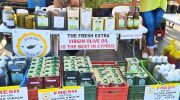
Fresh halloumi and anari cheeses point to pastoral traditions that remain economically relevant rather than symbolic. Home-pressed olive oil and village wine reveal continuity in small-scale production, sustained through household labour and regional expertise. Spoon sweets, dried herbs, and preserves speak to an older logic of surplus management, where nothing seasonal was allowed to go to waste.

Craft stalls add another layer to this narrative. Lace from Lefkara, pottery from Kornos, and woven baskets are not decorative inventions created for visitors. They originated as functional items, developed to meet everyday needs. Their continued presence in markets suggests that traditional skills survive most effectively when they remain useful, adaptable, and locally valued.
The Market as a Social Agreement
What ultimately distinguishes Cypriot markets is not only the range of goods available, but the behaviour that unfolds within them.

There are unspoken rules that shape interaction. Produce is usually handled by the vendor rather than the customer. Bargaining exists, but it is contextual and friendly, guided by familiarity rather than confrontation. Tasting is encouraged, conversation is expected, and transactions are rarely rushed.
This reflects a broader cultural approach often described as siga-siga, a shared understanding that not all time needs to be optimised. The market becomes one of the few public spaces where this slower rhythm is actively protected, allowing social exchange to remain as important as economic efficiency.
Small Trade, Real Economic Weight
Despite their informal appearance, markets play a significant economic role within Cypriot society.
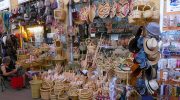
They offer accessible entry points for micro-entrepreneurs, family producers, and small-scale artisans. For many, a market stall represents the first step toward more formal retail, hospitality ventures, or regional distribution. Municipal licensing systems support this progression by keeping costs manageable and regulations responsive to local conditions.
During periods of economic strain, including recent global disruptions, markets demonstrated notable resilience. Short supply chains, direct producer-to-consumer sales, and local sourcing helped communities maintain access to essential goods while supporting producers who might otherwise have been forced out of business. This adaptability is not accidental, but embedded in the structure of the market itself.
Festivals, Faith, and the Market Calendar
At certain moments in the year, markets expand beyond their usual scale, responding to religious and agricultural celebrations that shape community life.
Orthodox Easter transforms markets into preparation hubs, filled with seasonal ingredients tied to ritual, fasting, and family gatherings. Harvest festivals celebrate specific products, such as roses.
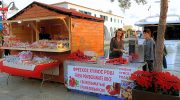
Agros, wine in Limassol, pomegranates in Ormidia, reinforcing regional identity through shared abundance.
During these periods, the boundary between commerce and celebration softens. Purchasing becomes participation, and the market functions as both economic space and communal stage.
Why Markets Hold Communities

In an era defined by convenience, automation, and digital transactions, Cypriot markets persist because they offer something increasingly rare: connection without mediation.
They link producers and consumers directly, without abstraction. They connect rural and urban spaces without flattening differences. They carry forward long-standing practices without turning them into performance or nostalgia.
Markets in Cyprus endure not because they are charming, but because they remain functional, adaptable, and socially meaningful. To walk through one is not to step backwards in time, but to witness how certain ways of living forward never disappeared.