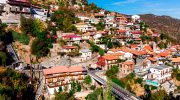
Traditional villages and Architecture

Cyprus Stone Courtyards Architecture

Cyprus Stone Courtyards Architecture

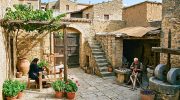
Traditional Cyprus courtyards with stone arches represent the architectural heart of village homes where families conducted daily life away from public view. The avli, as courtyards are called in Greek, functioned as outdoor living rooms enclosed by thick limestone walls exceeding half a meter in depth. Between rooms inside the house, graceful stone archways created a sense of flow and strength while thick wooden beams supported roofs covered with clay tiles. cyprushighlights-com The architecture prioritized both community connection through shared walls with adjacent family compounds and climate adaptation through thermal mass that kept interiors cool in summer and warm in winter. The iliakos, a covered porch created by extending the roof 2 to 3 meters forward on wooden beams or…

Read more
Traditional Cypriot Houses: Courtyards and Climate

Traditional Cypriot Houses: Courtyards and Climate

Traditional Cypriot houses were designed as working systems for heat, privacy, and shared family life, using local stone, inward-facing layouts, and courtyards that cooled and organised daily routines. Over centuries, builders added layers rather than replacing the whole, blending arches, timber projections, and flexible rooms into a coherent domestic logic that still feels practical today. This article explains how courtyards, materials, and spatial features like the kamara and sachnisi made these homes resilient, and why restoration efforts aim to preserve function as well as appearance. pinterest-com Architecture That Accumulated Over Centuries Cyprus rarely erased its past when new powers arrived. Instead, architectural ideas accumulated. Neolithic stone foundations, Byzantine masonry, Lusignan arches, Venetian defensive logic, and Ottoman wooden additions coexist within…

Read more
Cyprus’s Stone-Lined Alleyways

Cyprus’s Stone-Lined Alleyways

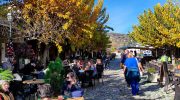
Cyprus is often remembered for its coastline and monuments, but some of its most revealing spaces are far smaller. Across old towns and villages, narrow stone-paved alleyways quietly preserve the rhythms of daily life shaped over centuries. These lanes were built for walking, shade, proximity, and defense, yet today they also form natural visual paths that guide the eye forward. They are not designed for photography, but they invite it effortlessly. Facebook-comleptosestates-com Streets That Were Never Meant to Impress Cyprus’s stone-lined alleyways were not created as scenic features. They emerged from necessity. In older settlements, streets were built narrow to conserve space, reduce heat, and protect residents from wind and sun. Homes faced inward, and movement happened on foot, by…

Read more
Cyprus Traditional Stone Villages

Cyprus Traditional Stone Villages

While modern cities rise along Cyprus's coasts, hidden in the island's hills and mountains are stone villages that have barely changed in centuries. These aren't open-air museums or tourist recreations—they're living communities where narrow cobblestone streets still wind past churches older than nations, where women still make lace using techniques passed down through generations, and where the rhythm of life follows patterns shaped by water, terrain, and survival. To visit these villages is to step into a Cyprus that exists outside of time, where the past and present speak to each other in stone, wine, and thread. Where Old Cyprus Still Lives Traditional Cypriot villages are the island's cultural heartbeat, preserving customs, crafts, dialects, and ways of life that have…

Read more
Pine Forest Villages Cyprus

Pine Forest Villages Cyprus

Pine forest villages in the Troodos Mountains showcase traditional Cypriot architecture where stone houses with wooden balconies cling to mountainsides at elevations between 600 and 1,200 meters. These settlements developed amid orchards, vineyards, and dense pine forests that provide cool escape from coastal summer heat. pixabay-com Kakopetria, Platres, and Pedoulas represent the most prominent examples, with stone-built structures featuring sloping terracotta tile roofs, wooden shutters, and cobbled streets preserved as protected cultural heritage. The architecture responds to mountain conditions including snow, rainfall, and steep terrain uncommon in lowland Cyprus. Kakopetria is cradled between the Kargotis and Garillis rivers, which converge to form the Klarios River, creating lush green environments where water mills once ground grain for village populations. These mountain…

Read more
Cyprus Slow Village Life

Cyprus Slow Village Life

Cyprus supports a unique lifestyle where professionals maintain village homes while commuting to urban jobs. Improved roads connecting mountain villages to coastal cities allow thousands to work in Nicosia, Limassol, Larnaca, or Paphos while living in traditional settlements. The B8 road links Paphos with mountain villages in just 25 to 35 minutes. airial.travel The new highway from Limassol reaches Troodos foothills quickly. This pattern creates dual identities, with weekday mornings spent in offices and evenings returned to slow village rhythms. The trend reflects both economic and cultural factors, as rising urban property costs push buyers toward villages while nostalgia for traditional life draws those seeking authenticity. Villages expand with new homes while maintaining historic cores, creating hybrid communities of longtime…

Read more
Traditional Building Materials of Cyprus Villages

Traditional Building Materials of Cyprus Villages

Since the arrival of the first permanent settlers of Cyprus during the early phase Neolithic, people have been living in houses made of stone and mud brick. The island's vernacular architecture uses local materials such as stone, clay, and wood, with traditional Cypriot houses featuring thick stone walls, small windows, and flat or pitched roofs designed to keep interiors cool in the hot Mediterranean climate. cyprusholidayvillas-co-uk These materials came directly from the landscape, with builders quarrying limestone from hillsides, digging clay from valley floors, and cutting timber from mountain forests. The reliance on local materials created regional variations in building styles while establishing construction methods that persisted for millennia until modern industrialization introduced concrete, steel, and imported materials. Stone as…

Read more
Labyrinth Streets of Cyprus Villages

Labyrinth Streets of Cyprus Villages

The narrow labyrinth streets of Cyprus villages create distinctive spatial patterns that developed organically over centuries without formal planning. These winding lanes, rarely exceeding 2 to 3 meters in width, twist through compact settlements where stone houses press close together along irregular paths dictated by terrain, water sources, and family land divisions. img-tourister-ru Cypriot villages were built without original master plans, with street locations determined by natural conditions including slope, rivers, and agricultural boundaries. The compact layouts served practical purposes including defense against raiders, social cohesion through proximity, protection from summer heat through shade creation, and efficient land use that maximized agricultural acreage surrounding settlements. The resulting maze-like networks connect homes to central squares where churches, mosques, coffee shops, and…

Read more
Omodos & Lefkara – Iconic Mediterranean Fields

Omodos & Lefkara – Iconic Mediterranean Fields

Two villages in the Troodos Mountains represent the essence of Cyprus's cultural heritage. Omodos and Lefkara stand as living museums where centuries-old traditions continue to thrive. Omodos produces some of the island's finest wines, while Lefkara creates intricate lacework recognized by UNESCO. Both villages showcase traditional Cypriot architecture with limestone houses, narrow cobbled streets, and red-tiled roofs. en-wikipedia-org Located within the Limassol and Larnaca districts respectively, these settlements offer visitors a glimpse into Mediterranean village life that has remained largely unchanged for generations. The villages sit at elevations between 650 and 900 meters, providing cooler temperatures and spectacular views of surrounding vineyards and valleys. Historical Background Omodos likely emerged at the end of the Byzantine period, possibly around the 12th…

Read more