Roads and Transport

Cyprus Tourist Shuttle Transport

Cyprus Tourist Shuttle Transport

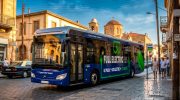
Tourist areas across Cyprus rely on enhanced shuttle services during peak summer months to move visitors between hotels, beaches, attractions, and entertainment venues. These seasonal routes operate with extended hours and increased frequency compared to regular year-round schedules. Understanding how these services work helps tourists maximize their time and budget while exploring the island. kiprinform-com How Summer Schedules Differ from Winter Service The summer program for tourist shuttles typically begins in mid-May and runs through September or October. In Ayia Napa and Protaras, buses operate from 6:15 AM until 4:00 AM the following day during peak season. This extended service accommodates the nightlife culture of these resort towns, where clubs and bars stay open past midnight. commons-wikimedia-or Regular winter schedules…

Read more
Cyprus Urban Transport Systems

Cyprus Urban Transport Systems

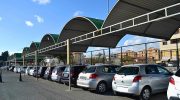
Cyprus cities have started taking serious steps to fix their transport problems. The island nation ranks fifth globally in car ownership per capita, with over 658 automobiles per 1,000 people. This heavy reliance on private vehicles has created congestion and parking nightmares in urban centers. The government and municipalities are now working to create better parking systems and promote alternative transport options. in-cyprus-philenews-com How Parking Works in Major Cyprus Cities Nicosia charges the highest parking rates among Cyprus cities, with fees varying by location and hourly rates ranging from €0.50 to €2. The capital's central areas fill up quickly on weekdays, and many streets operate as one-way systems. Multi-level facilities like Eleftheria Square Parking offer over 500 spaces within walking…

Read more
Cyprus Public Transportation System

Cyprus Public Transportation System

Cyprus operates a bus-based public transportation network that serves all major cities and most tourist areas across the island. The system consists of urban buses within cities, intercity buses connecting major towns, airport shuttle services, and rural routes linking villages to nearby urban centers. commons-wikimedia-org. Since the last passenger railway closed in 1951, buses represent the only form of public mass transit available to Cypriots and visitors. However, despite having 3.2 buses per 1,000 inhabitants, double the EU average of 1.6, Cyprus records some of Europe's lowest public transport usage. Only 3 percent of journeys in Greater Nicosia use public transportation, while the island maintains one of the world's highest car ownership rates at 658 automobiles per 1,000 people. This…

Read more
Transportation and Mobility in Cyprus

Transportation and Mobility in Cyprus

Cyprus holds one of the highest car ownership rates in the world with 742 cars per 1,000 people according to International Road Federation figures from 2007. Private car ownership in the country ranks as the fifth highest per capita globally. With more than 658 automobiles per 1,000 people in recent years, Cyprus relies heavily on private vehicles for daily mobility. in-cyprus-philenews-com Only 3 percent of journeys in the Greater Nicosia urban region are made by public transportation, while cycling remains even less common at 2 percent. This dominance of private vehicles creates traffic congestion in major cities, particularly during peak hours, while contributing to air pollution and urban sprawl. The Road Network and Driving Conditions From the 12,118 kilometers of…

Read more
Traffic Flow and Everyday Driving Culture

Traffic Flow and Everyday Driving Culture

Cyprus follows left-hand traffic, a direct inheritance from British colonial rule that ended in 1960. This means vehicles drive on the left side with steering wheels positioned on the right. The system remains unchanged despite the island's location in a region where most countries drive on the right. The cost of transitioning the entire transportation infrastructure would exceed €2 billion according to government estimates, making any change economically unfeasible. argophilia-com For British, Irish, and Australian visitors, this familiar setup offers immediate comfort. However, drivers from right-hand traffic countries face a genuine adjustment period. Research shows that drivers require 3-5 days to fully adapt their spatial processing when switching traffic sides. The challenge extends beyond steering to include automatic behaviors like…

Read more
Why Rural Areas in Cyprus Rely on Private Vehicles

Why Rural Areas in Cyprus Rely on Private Vehicles

Rural buses connect most villages to their nearest town, but service frequency remains minimal. Routes typically operate one to three times daily, with some villages receiving just two departures on weekdays and no service on Sundays. This sparse schedule forces residents to plan their entire day around fixed bus times. dom-com-cy The Troodos mountain region demonstrates these limitations clearly. Route 64 from Limassol to Troodos Square departs once daily in the morning and returns in the late afternoon. This single round trip provides enough time for a tourist visit but cannot support regular commuting or flexible daily activities for residents. Villages between major cities often receive even less attention. Small communities along the Nicosia to Limassol corridor might see buses…

Read more
Airports of Cyprus: Larnaca vs Paphos

Airports of Cyprus: Larnaca vs Paphos

Cyprus operates two international airports that serve as the island's primary gateways for tourism and business travel. Larnaca International Airport handles approximately 70 percent of total passenger traffic, while Paphos International Airport serves the remaining 30 percent. dsaengineers-com Together, these facilities processed over 13 million passengers in 2025, representing a 12 percent increase from 2024 and significantly exceeding pre-pandemic levels from 2019. Hermes Airports operates both facilities under a concession agreement with the Cyprus government that has been extended until 2033. The company has committed 170 million euros to Phase 2 expansion projects that began in March 2025, with completion expected by 2027. When finished, Larnaca will handle 12.4 million passengers annually while Paphos will accommodate 5 million, bringing combined…

Read more
Left-Hand Driving System in Cyprus

Left-Hand Driving System in Cyprus

Cyprus stands out in Europe as one of only four countries where cars travel on the left side of the road. This unique characteristic catches many visitors by surprise, but it reflects a fascinating blend of historical influence and practical continuity that has shaped the island's transportation system for over a century. paphosmotorentals.cy The British assumed administrative control of Cyprus in 1878 through the Cyprus Convention with the Ottoman Empire. The island officially became a British crown colony in 1925 and remained under British rule until gaining independence in 1960. During this 82-year period, British authorities introduced left-hand traffic to match the system used throughout the British Empire. At that time, the British Empire was expanding rapidly across the globe.…

Read more
Cyprus Public Bus Transport

Cyprus Public Bus Transport

Cyprus closed its last passenger railway in 1952, and the final narrow gauge system shut down in 1974. Since then, discussions about establishing modern rail connections between major cities have surfaced periodically, particularly as traffic congestion worsens. In October 2024, studies were still underway for potential railway development. However, no concrete plans have materialized, leaving buses as the sole option for public ground transportation. Tripadvisor-com This absence of rail infrastructure places unique pressure on the bus system. Unlike cities where metro systems handle bulk passenger movement, Cyprus relies exclusively on road transport to connect urban centers, rural villages, and tourist destinations. Understanding the Four Types of Bus Services Cyprus operates four distinct categories of bus service, each serving a specific…

Read more