Cyprus Forest Spirits and Fairy Tales

8 minutes read See on map

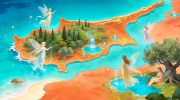
Cyprus holds a rich tradition of folklore about supernatural beings that inhabit forests, springs, and mountains. These stories blend Greek mythology with local beliefs passed down through generations.

The island’s forest spirits and fairies appear in tales told by grandmothers to children, in seasonal customs still practiced today, and in warnings about places where the natural and supernatural worlds meet. From Christmas goblins to ancient nymphs, these beings reflect how Cypriots understood their environment and explained mysterious occurrences.

The folklore reveals deep connections between people and nature, showing respect for forces beyond human control. Many traditions related to these spirits remain part of modern Cypriot culture, practiced during religious holidays and family gatherings.

Historical Background

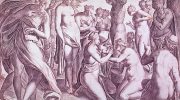
Cypriot folklore developed from multiple sources over thousands of years. Ancient Greek colonists brought beliefs about nymphs, nature spirits tied to specific locations such as springs, rivers, and groves. The Greeks recognized nymphs as minor goddesses with extremely long lifespans who protected natural features. Cyprian Naiads appear in ancient texts, specifically mentioned as the nymphs who cared for the infant Adonis after his birth from the myrrh tree. These water spirits were daughters of local river gods and inhabited springs throughout the island.

commons.wikimedia.org

Byzantine Christianity added new layers to existing beliefs rather than erasing them. Pagan spirits transformed into different entities within Christian frameworks. The Kallikantzaroi, Cyprus’s famous Christmas goblins, emerged from this mixing of traditions. Their story combines ancient Greek seasonal festivals with Christian calendar dates. Medieval monks and hermits contributed to spirit lore. The 7th-century story of Saint Hilarion describes a holy hermit who spent years removing demons from mountainsides. His stone deafness supposedly protected him from their calls. A Byzantine monastery and later a castle appeared near his tomb, creating one of Cyprus’s most mythical sites.

Characteristics of Forest Beings

Nymphs represented the island’s natural features as divine beings. These female spirits appeared as beautiful young women, always connected to specific places. Cyprian Naiads inhabited springs and fountains, their lives bound to these water sources. If a spring dried up, its nymph died with it. They possessed healing powers, divination abilities, and could change shape. Springs touched by nymphs gained special properties. Some inspired prophetic visions while others cured illnesses. Nymphs lived in watery caves or grottoes carved into mountainsides. Local people honored them with small sanctuaries near springs and groves throughout Cyprus.

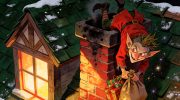
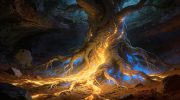
The Kallikantzaroi present entirely different characteristics. In Cypriot tradition, these creatures are small, dark, invisible goblins who emerge from underground. They live beneath the earth’s surface for most of the year, working to saw through the World Tree that supports the planet. During the twelve days between December 26 and January 6, they surface at night to cause mischief. They enter homes through chimneys, spoil food, sour milk, break furniture, and hide belongings. Despite their troublesome nature, they are not considered evil but rather foolish and mischievous. Their main weakness is an obsession with loukoumades, honey-soaked doughnuts that serve as peace offerings.

Fascinating Details About Spirit Encounters

People born during the twelve days when Kallikantzaroi roam develop a special connection to these goblins. According to legend, these individuals can sense when the creatures are nearby, grow restless in their presence, and are the only people able to see or communicate with them. The creatures cannot count beyond the number two. Three represents a holy number that causes them pain or death if spoken. This limitation creates one of the most famous protection methods. Families place colanders outside their doors on winter nights. The Kallikantzaroi sit counting holes all night, never reaching three, never completing the task, never entering the house.

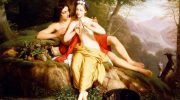
Nymphs displayed jealous tendencies that made them dangerous companions. The Naiad Nomia permanently blinded her lover Daphnis after he proved unfaithful multiple times. Springs inhabited by nymphs required careful respect. Disturbing them could bring curses. Yet nymphs also helped humans. They nursed heroes, provided prophetic advice, and guided lost travelers to safety. Many ancient Cypriot families traced their lineage to nymphs, claiming divine ancestry through these nature spirits. The distinction between helpful and harmful behavior depended entirely on how humans treated the nymph’s domain.

Deeper Meanings in Spirit Stories

These folklore tales taught practical lessons about respecting nature and maintaining community bonds. Nymph stories emphasized the importance of protecting water sources. Polluting a spring meant harming its nymph, which brought misfortune to entire villages. This belief system protected crucial water supplies in Cyprus’s dry climate. Trees housing dryads could not be cut carelessly. The connection between tree and spirit reminded people that forests provided essential resources requiring sustainable management.

Kallikantzaroi stories served multiple purposes. They explained why doors stayed locked during winter nights. They gave families reasons to gather around fires, keeping flames burning throughout the twelve-day period. The tradition of throwing loukoumades on rooftops created community events where neighbors prepared sweets together and sang traditional songs. The goblins’ yearly cycle of sawing the World Tree then watching it heal during Christmas symbolized eternal renewal. No matter how much damage occurs, the sacred season brings restoration.

Modern Practices and Cultural Memory

Cypriot families still observe Kallikantzaroi traditions. On Epiphany Eve, January 5, housewives prepare kserotiana or loukoumades. As sunset approaches, they place the freshly made doughnuts outside front doors and windows. Some families throw them onto rooftops while singing traditional songs. The specific Cypriot verse goes “Titsi titsi loukaniko, kommati xerotiano, na fate tzai na fighete,” which translates roughly to inviting the goblins to eat sausages and doughnuts, then leave. After Epiphany Mass, village priests visit homes with children carrying holy water. They sprinkle water in each room, blessing the space and ensuring the Kallikantzaroi return underground.

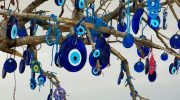
Protection rituals continue in rural areas. Burning olive leaves cleanses spaces of negative energy. Red ribbons and blue beads hang in homes and cars to ward off evil spirits. Keeping hearth fires burning during the twelve days remains common practice. Some families still mark doors with black crosses on Christmas Eve. These customs blend seamlessly with Christian observances, creating unique Cypriot traditions. Fortune telling through palm reading, dream interpretation, and astrology maintains connections to ancient beliefs about supernatural knowledge. People consult these practices before major decisions like business openings or wedding dates.

account.travel

Spring sanctuaries at ancient sites occasionally receive offerings from people honoring old traditions. While fewer Cypriots actively worship nymphs, the respect for sacred natural places persists. Certain springs and groves still carry reputations for special properties. People visit them for healing or wish-making without necessarily believing in nymphs, maintaining customs whose origins lie in ancient spirit worship.

Experiencing Folklore Traditions

The Fairytale Museum in Nicosia preserves and promotes Cyprus’s oral culture. Postcards featuring illustrated folklore stories serve as educational tools, spreading knowledge about traditional tales. Museums display folk art depicting Kallikantzaroi and other supernatural beings. During Christmas season, cultural centers host storytelling events where elders share spirit tales with younger generations. Villages maintain specific folklore customs particular to their regions.

googlemap

Saint Hilarion Castle offers visitors a location steeped in supernatural legends. Walking through ruins where a holy hermit supposedly battled demons creates atmospheric connections to folklore history. The castle’s 101st room allegedly contains magical treasure within an enchanted garden, though countless seekers have failed to find it. Troodos Mountains provide settings for many nymph stories. Springs throughout the region carry names linking them to ancient beliefs. Hiking trails pass grottoes where locals once made offerings to nature spirits.

phateev.ru

Epiphany celebrations in January provide the most accessible way to experience Kallikantzaroi traditions. Coastal cities perform blessing ceremonies involving priests throwing crosses into the sea. Villages combine these with traditional goblin departure rituals. Attending these events offers insight into how ancient folklore adapts within Christian practice. The singing, food preparation, and house blessings create festive atmospheres mixing solemn religious observance with playful cultural customs.

Forest Spirits, Fairies, and Cypriot Cultural Heritage

Forest spirits and fairies represent Cyprus’s ability to preserve cultural memory across millennia. These folklore traditions survived conquest by Romans, Byzantines, Crusaders, Venetians, Ottomans, and British. Each ruling power added influences without destroying the underlying beliefs. The result is a unique folklore system that maintains distinctly Cypriot characteristics while showing connections to broader Mediterranean traditions. These stories encode environmental wisdom about water conservation, forest management, and seasonal cycles.

Wikipedia

The supernatural beings remind Cypriots of their place within larger natural systems. Nymphs embodied the idea that nature possesses consciousness deserving respect. Kallikantzaroi taught that cosmic order requires maintenance, that renewal follows destruction in eternal patterns. These lessons remain relevant in modern environmental contexts.

The folklore also creates shared cultural identity. When Cypriots prepare loukoumades for Kallikantzaroi or visit springs associated with ancient nymphs, they participate in traditions connecting them to ancestors who performed identical actions centuries ago. Spirit stories bridge past and present, maintaining continuity of culture that defines what it means to be Cypriot.

Discover more about the fascinating edges of Cyprus

Cyprus Hidden Treasure Legends

Cyprus Hidden Treasure Legends

Cyprus has built a rich collection of folklore around hidden treasures and lost riches. These stories come from centuries of different civilizations ruling the island, from the Byzantines and Crusaders to the Venetians and Ottomans. Each culture left behind tales of buried gold, secret chambers, and enchanted wealth that still capture imaginations today. The treasure legends of Cyprus blend historical facts with supernatural elements, creating stories that reflect both real events and the hopes of people through the ages. Historical Background The origins of Cypriot treasure folklore trace back to the island's position at the crossroads of trade routes between East and West. Throughout history, Cyprus attracted wealthy rulers, merchants, and invaders who accumulated riches. When conflicts forced people to flee or hide their wealth, stories naturally emerged about buried treasures waiting to be found. The mountainous terrain and numerous castles provided perfect settings for these legends. The Pentadaktylos mountain range became particularly famous for treasure tales, with its three mountaintop castles, Buffavento, Kantara, and St. Hilarion, all linked to stories of hidden wealth. The legendary Queen Rigaina and her treasures The most enduring figure in Cypriot treasure folklore is Queen Rigaina, a mysterious woman whose identity remains debated. According to various legends, she owned immense wealth and built castles and towers across Cyprus. The most famous tale involves a…

Read more
Cyprus Elders Traditional Stories

Cyprus Elders Traditional Stories

Elders in traditional Cyprus villages functioned as living libraries, preserving centuries of accumulated knowledge through oral storytelling that connected younger generations to their ancestral past. Before widespread literacy and mass media, grandparents and respected community members transmitted cultural values, agricultural techniques, folk remedies, historical events, and moral lessons through stories told at family gatherings, village squares, and during communal work sessions. These narratives included heroic legends about local resistance to invaders, cautionary tales about supernatural beings like Kalikantzari goblins, romantic folklore explaining natural features, and family histories documenting migrations and hardships. The oral tradition maintained linguistic creativity through forms like tsiattista improvised poetry and paramythia fairytales that combined entertainment with instruction. When Cypriots speak to elders who remember life before 1950, they encounter descriptions of a simpler yet harder existence where poverty coexisted with strong community connections that gave people strength to survive. This storytelling tradition now faces extinction as the generation with pre-modern memories dies without younger people recording their recollections. The Role of Elders in Knowledge Transmission Village elders occupied positions of authority based not on formal education but on accumulated life experience and demonstrated wisdom. Grandparents supervised grandchildren while parents worked fields, using this time to teach traditional songs, prayers, and practical skills through hands-on demonstration combined with explanatory stories. The elder-child relationship created direct transmission of…

Read more
Haunted Mills and Ruins Across Cyprus

Haunted Mills and Ruins Across Cyprus

Cyprus holds a collection of abandoned places that attract visitors interested in supernatural tales and historical mysteries. These locations range from ghost towns frozen in time to mountain hotels shrouded in dark legends and villages deserted by their residents. The island's troubled 20th century history, particularly the 1974 division, created numerous abandoned settlements that locals and visitors now associate with paranormal activity. These sites blend documented historical events with folklore, creating spaces where reality and supernatural stories overlap. Historical Context The modern haunted landscape of Cyprus emerged primarily from two sources. The 1974 Turkish invasion created instant ghost towns when residents fled their homes. Varosha in Famagusta represents the most dramatic example, a once glamorous resort sealed off by military forces and left untouched for decades. The invasion displaced hundreds of thousands of people, leaving behind dozens of villages that remain empty today. Earlier events also contributed to abandoned sites. The intercommunal violence of the 1960s forced Turkish and Greek Cypriots to abandon mixed villages. Mining closures in the 1930s and natural disasters like earthquakes created additional deserted settlements. Each abandonment brought its own set of stories about what happened and what might remain. Features of Cyprus most notorious haunted locations Varosha stands as Cyprus most famous ghost town. Before 1974, this Famagusta district attracted celebrities like Elizabeth Taylor and…

Read more