Elders in traditional Cyprus villages functioned as living libraries, preserving centuries of accumulated knowledge through oral storytelling that connected younger generations to their ancestral past. Before widespread literacy and mass media, grandparents and respected community members transmitted cultural values, agricultural techniques, folk remedies, historical events, and moral lessons through stories told at family gatherings, village squares, and during communal work sessions.

These narratives included heroic legends about local resistance to invaders, cautionary tales about supernatural beings like Kalikantzari goblins, romantic folklore explaining natural features, and family histories documenting migrations and hardships. The oral tradition maintained linguistic creativity through forms like tsiattista improvised poetry and paramythia fairytales that combined entertainment with instruction.
When Cypriots speak to elders who remember life before 1950, they encounter descriptions of a simpler yet harder existence where poverty coexisted with strong community connections that gave people strength to survive. This storytelling tradition now faces extinction as the generation with pre-modern memories dies without younger people recording their recollections.
The Role of Elders in Knowledge Transmission
Village elders occupied positions of authority based not on formal education but on accumulated life experience and demonstrated wisdom. Grandparents supervised grandchildren while parents worked fields, using this time to teach traditional songs, prayers, and practical skills through hands-on demonstration combined with explanatory stories. The elder-child relationship created direct transmission of cultural knowledge that formal schooling could not replicate, particularly when schools operated irregularly due to agricultural labor demands.
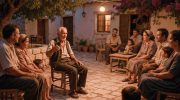
Evening gatherings in courtyards and village squares provided prime storytelling occasions. After sunset when field work concluded, extended families gathered with elders recounting tales from their youth, explaining historical events they had witnessed, and offering interpretations of current situations based on past patterns. Children absorbed these narratives through repetition, memorizing stories that later guided their own decisions when they became adults facing similar challenges.
The oral tradition emphasized moral instruction embedded within entertaining narratives. Rather than lecturing children directly about proper behavior, elders told stories where characters faced choices with clear consequences. Heroes demonstrated virtues like courage, honesty, and loyalty while villains suffered from greed, deception, and selfishness. These archetypal narratives provided frameworks for understanding complex ethical situations children would encounter as adults.
Fairytales and Folklore Unique to Cyprus
Cypriot folklore developed distinctive paramythia fairytales found nowhere else in the Greek-speaking world. These original stories spoke of the soul of the nation, functioning not just as entertainment but as vehicles for communicating what people saw and learned from life through symbols, lessons, and alternative ways of recounting history. The tales featured local settings, referenced familiar villages and landmarks, and addressed concerns specific to Cypriot experience rather than generic Mediterranean culture.
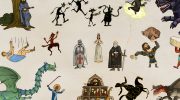
The Kalikantzari goblins represent Cyprus’s most famous folkloric creatures, mischievous beings emerging from underground during the 12 days of Christmas to wreak havoc unless appeased with loukoumades honey doughnuts left on rooftops. The tradition of leaving food offerings continues in some households today, demonstrating how ancient beliefs persist through ritual practice even when literal belief has faded. These stories taught children about seasonal cycles, household protection methods, and the importance of religious observances that drove the goblins back underground at Epiphany.
Heroic legends including tales of Digenis Akritas, who defended Cyprus by hurling giant boulders into the sea to create Petra tou Romiou near Paphos, provided models of masculine courage and national resistance. The epic adventures combined fantastic elements with historical references to actual raids and conflicts, creating narratives that functioned simultaneously as entertainment, history, and moral instruction. These legends explored themes of honor, justice, loyalty, and sacrifice while offering guidance on navigating life’s complexities.
Agricultural Wisdom and Seasonal Knowledge
Elders possessed detailed understanding of weather patterns, crop cycles, and agricultural techniques developed through decades of observation and experimentation. They taught younger farmers which moon phases favored planting specific crops, how to recognize signs of impending weather changes in animal behavior and cloud formations, and which traditional remedies addressed common crop diseases without modern chemicals.

The sickle dance called drepani emerged from harvest traditions where the best reapers demonstrated their skills by playing sickles while working, cutting swathes in the air without ceasing to mow. The dance translated agricultural prowess into performance art that preserved and celebrated farming competency. Elders judged these competitions, their approval conferring status on skilled workers who earned reputations as capable providers deserving good marriage matches.
Olive cultivation knowledge passed through generations included optimal harvest timing, proper pressing techniques, and quality assessment skills that determined oil grades and market values. Grandparents taught grandchildren to distinguish healthy trees from diseased ones, to identify pest damage, and to perform pruning that maximized fruit production without exhausting trees. This practical wisdom represented hundreds of years of accumulated trial and error condensed into teachable principles.
The Diaspora’s Preservation Efforts
When Cypriots emigrated to escape economic hardship or political persecution, many left knowing they would never return. These emigrants created time capsules wherever they settled, preserving customs and traditions of their departure era even as Cyprus itself modernized. Diaspora children were raised to be proud of their island heritage through parents’ and grandparents’ recollections of village life before 1950.

Contemporary efforts like Tales of Cyprus, a project begun in 2011, document these vanishing oral histories through interviews with elderly Cypriots who remember pre-modern life. The creator discovered that diaspora communities sometimes maintain more traditional moral codes than those who remained on the island, suggesting that emigration froze cultural practices that continued evolving in Cyprus. The interviews reveal underlying sense of loss and grief for the life people once knew, with many elderly interviewees speaking about their past for the first time and becoming emotional about villages and loved ones they still missed.

These documentation projects combat the perception that Cyprus is rushing to escape its past, creating permanent records before the generation with direct memories dies. The collected stories reveal a completely different world where poverty and hardship coexisted with powerful connections between people and their communities. The essence being communicated is that these community bonds gave Cypriots strength to survive difficulties that would otherwise have been unbearable.
Contemporary Challenges to Oral Tradition
Modern Cyprus faces crisis in oral history transmission as elderly knowledge holders die without younger people asking questions or recording their stories. Educational systems emphasize literacy and formal knowledge while devaluing oral traditions and folk wisdom that sustained villages for millennia. Young Cypriots often know less about their own history than diaspora descendants who actively sought information from elders.
The shift from extended to nuclear families eliminates daily contact between grandchildren and grandparents that facilitated natural knowledge transmission. Urban migration separates younger generations from village elders physically, preventing the informal storytelling sessions that occurred during agricultural work, family meals, and evening gatherings. When grandchildren visit villages for brief holiday periods, insufficient time exists for deep conversations that reveal accumulated wisdom.

The association of traditional knowledge with poor village life discourages young people from valuing practices their grandparents followed from economic necessity rather than choice. Middle-aged Cypriots show interest in handicrafts mainly from nostalgia rather than desire to continue traditions professionally. This cultural devaluation means skills requiring years to master disappear when elderly practitioners die without apprentices to replace them.