Explore Cyprus with Our Interactive Map

Explore our top stories and discover ideas worth your time.

Ayia Irini Sanctuary 

Ayia Irini Sanctuary 

Nestled near the northwestern coast of Cyprus, close to Morphou Bay, stands one of the Mediterranean's most important archaeological discoveries.  Ayia Irini was a sacred sanctuary that served the people of ancient Cyprus for over a thousand years, from 1200 B.C. until around 500 B.C. The site became famous after excavations revealed thousands of terracotta statues left as offerings to the gods.   Today, it remains a testament to how people in ancient Cyprus expressed their religious beliefs through art and ritual. The sanctuary's discovery transformed our understanding of Cypriot religion and culture during the Iron Age, making it one of the most studied sacred sites of the ancient Mediterranean. From Bronze Age Shrine to Iron Age Center of Devotion The sanctuary's history began in the Late Bronze Age around 1200 B.C. and continued until the end of the Cypro-Archaic period. The site underwent significant transformations throughout its long existence.  Originally, it consisted of rectangular houses built with mud brick walls on stone foundations. These buildings were arranged around a large open court, with some structures serving as living spaces and storerooms for the priests, while others were dedicated to religious ceremonies. The sanctuary was flooded multiple times, and at the beginning of Cypro-Archaic II, it was covered with layers of sand and gravel. Rather than abandon the site, the community…

Read more
Ancient Wine Pressing Techniques Cyprus Wineries

Ancient Wine Pressing Techniques Cyprus Wineries

Cyprus holds one of the longest unbroken wine traditions in the world, with archaeological evidence placing winemaking on the island at approximately 5,500 years ago. Pottery fragments discovered at Erimi village and analyzed in 2005 by Italian archaeologist Maria-Rosaria Belgiorno showed traces of tartaric acid, proving that these Chalcolithic period vessels dated between 3500 BC and 3000 BC were used for wine storage. What makes Cyprus unique is not just the antiquity of its wine culture, but the remarkable continuity of production methods that survived for millennia. Historical Background The earliest winemaking in Cyprus relied on simple but effective techniques. Grapes were placed in stone or clay basins where workers trod them with bare feet to extract the juice. A ceramic jug from Pyrgos dating to 2000 BC depicts a woman with her feet in a pressing vessel with juice flowing into a basin below, representing one of the earliest known visual records of grape treading anywhere in the Mediterranean. Medieval wine presses evolved into more sophisticated equipment, with the Omodos Wine Press representing a stunning example that is between 700 and 800 years old. This press features an enormous double wooden beam spanning the room, with a giant wooden screw attached to one end and weighted by a large stone that could be raised and lowered by pulley. Workers…

Read more
Livadi Trail

Livadi Trail

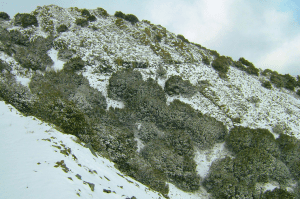
The Livadi Trail offers a serene path through the heart of the Troodos mountains. This route showcases a unique side of the island that few visitors see. It provides a peaceful escape into the cool mountain air far from the crowded beaches. The path winds through a flat plateau that hosts rare plant life. Massive black pines tower above the track and offer deep shade. This specific environment supports a delicate ecosystem that remains green throughout the entire year. Accessibility makes this location a favorite for those who want a gentle walk. The trail design accommodates people of all ages and fitness levels. Every section of the loop reveals a new perspective of the surrounding peaks and valleys. Trail Overview Location: Troodos National Forest Park Distance: 1 mile (1.5 km) Route Type: Loop Difficulty: Easy Elevation Gain: 33 feet (10 meters) Duration: 45 minutes Best Time to Visit: May – October Terrain: Paved and Flat Forest Floor Botanical Features and Rare Forest Species The Livadi Trail sits at an altitude of seventeen hundred meters above the sea level. This height creates a specific climate that favors the growth of the Pinus nigra or black pine. These trees can reach ages of over five hundred years within the Troodos range. Their thick bark protects them from the cold winters and the…

Read more