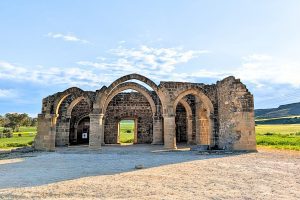
Cyprus has built a rich collection of folklore around hidden treasures and lost riches. These stories come from centuries of different civilizations ruling the island, from the Byzantines and Crusaders to the Venetians and Ottomans.

Each culture left behind tales of buried gold, secret chambers, and enchanted wealth that still capture imaginations today. The treasure legends of Cyprus blend historical facts with supernatural elements, creating stories that reflect both real events and the hopes of people through the ages.
Historical Background
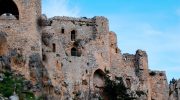
The origins of Cypriot treasure folklore trace back to the island’s position at the crossroads of trade routes between East and West. Throughout history, Cyprus attracted wealthy rulers, merchants, and invaders who accumulated riches. When conflicts forced people to flee or hide their wealth, stories naturally emerged about buried treasures waiting to be found. The mountainous terrain and numerous castles provided perfect settings for these legends. The Pentadaktylos mountain range became particularly famous for treasure tales, with its three mountaintop castles, Buffavento, Kantara, and St. Hilarion, all linked to stories of hidden wealth.
The legendary Queen Rigaina and her treasures
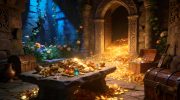
The most enduring figure in Cypriot treasure folklore is Queen Rigaina, a mysterious woman whose identity remains debated. According to various legends, she owned immense wealth and built castles and towers across Cyprus. The most famous tale involves a castle with 101 rooms, where only 100 could be easily found. The 101st room allegedly contained untold treasures within a magical garden, accessible only once every 40 years. One version tells of young men who discovered the secret room on a special day. They found jewels and gold coins illuminating the chamber, but became so absorbed in dividing the treasure that they lost track of time. The door sealed shut for another 40 years, trapping them in dreamless sleep. When they finally awoke and escaped, they found their families had aged or died, their wives were elderly, and their children did not remember them.
Different regions of Cyprus claim connections to Rigaina. Towers bearing her name existed in Pissouri and Anoyira, while the Kolossi tower near Limassol also supposedly belonged to her. Local traditions say buried treasures from Rigaina lie in Mandria, Ayios Tychonas, Dierona, Pelendri, and Episkopi. In one tale from Anoyira, after one of her sons fell into an orchard pit and died, the inconsolable queen threw all her belongings into the pit, covered it with earth, and left forever.
Surprising facts about Cyprus treasure folklore
The legend of the 101st room inspired searches for generations. St. Hilarion Castle, perched 732 meters above sea level, became particularly associated with this story. Some versions describe the hidden chamber containing an enchanted garden belonging to a fairy queen who would seduce travelers and rob them after putting them in deep sleep. The castle’s fairy tale appearance supposedly inspired Walt Disney when creating Snow White’s castle, though this remains unverified.
Underground caves in the Troodos Mountains feature prominently in treasure legends. According to folklore, these caves hide ancient artifacts and golden statues guarded by spirits and mythical creatures. The caves supposedly open only once every hundred years, and only chosen individuals can find the path to the treasures. Archaeological evidence shows Cyprus did accumulate significant wealth during Byzantine and Crusader periods, giving some historical foundation to these tales.
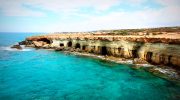
The Sea Caves of Ayia Napa carry their own treasure legends. These natural formations were believed to be hideouts for pirates who buried their loot there. Unlike most pirate treasure stories that are purely fictional, Cyprus did experience pirate activity in the Mediterranean during various historical periods, making these stories somewhat plausible.
Treasure beliefs and their historical context
The treasure legends reflect real historical circumstances. During invasions and conflicts, wealthy Cypriots often buried valuables for safekeeping, intending to retrieve them later. Many died before recovering their wealth, creating genuine lost treasures. The legends grew from these actual events, embellished over generations. The Byzantines, Crusaders, and Venetians all used Cyprus as a strategic outpost, and their sudden departures during conflicts meant abandoned wealth.

Religious sites also figure in treasure stories. Monasteries accumulated donations of gold, silver, and jewels over centuries. When monasteries faced destruction or abandonment, legends arose about hidden treasures priests concealed. The tradition of burying consecrated items to protect them from invaders had basis in historical practice, feeding folklore about sacred treasures waiting underground.
Cyprus treasure legends in modern times
Today, treasure hunting remains illegal in Cyprus without proper permits. The island’s rich archaeological heritage is protected by law, as antiquities belong to the state. Despite this, stories about hidden treasures continue circulating, particularly in villages near historical castles. Modern Cypriots view the legends primarily as cultural heritage rather than literal truth, though metal detector enthusiasts still search permitted areas hoping for discoveries.
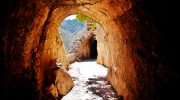
The legends contribute to tourism, with visitors exploring castles and caves associated with treasure stories. St. Hilarion Castle attracts thousands of tourists annually, many aware of the 101-room legend. The Troodos Mountains and various coastal caves also draw visitors interested in folklore. Local guides often share treasure tales as part of historical tours, keeping the traditions alive.
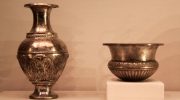
Archaeologists occasionally make genuine treasure discoveries in Cyprus. The Lambousa Treasure, found in the early 20th century, consisted of Byzantine silver objects confirming that valuable artifacts do exist buried on the island. Such finds validate the historical basis of treasure folklore while demonstrating why legal archaeological work matters more than treasure hunting.
Experiencing Cyprus treasure folklore yourself
Several locations allow visitors to connect with treasure legends. St. Hilarion Castle offers stunning views and the chance to explore rooms while imagining the legendary 101st chamber. Buffavento and Kantara castles, the other members of the Pentadaktylos trio, also feature in Queen Rigaina stories. The castles are accessible to tourists, with paths leading through multiple levels and chambers.
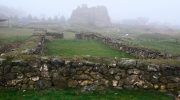
The Troodos Mountains provide opportunities for hiking in areas associated with cave treasure legends. While entering undeveloped caves can be dangerous and is often restricted, marked trails and visitor-safe caves allow exploration of the mountainous terrain. The Sea Caves at Cape Greco near Ayia Napa offer accessible caves where you can swim and snorkel while contemplating pirate treasure stories.
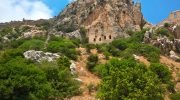
Visiting these sites combines natural beauty with folklore appreciation. The experience works best when you understand the legends beforehand and can imagine the stories while exploring. Local museums in Nicosia and Kyrenia contain artifacts that represent the real treasures of Cyprus, providing historical context for the folklore.
Why treasure legends remain valuable to Cyprus
These stories preserve important aspects of Cypriot culture and history. They reflect the island’s strategic importance, the wealth that flowed through it, and the turbulent events that shaped its past. The legends connect modern Cypriots to their ancestors and the civilizations that occupied the island. They also demonstrate how folklore develops from real events, combining history with imagination to create enduring narratives.
The treasure stories represent universal human themes: hope for better fortune, consequences of greed, the mystery of the past, and the desire to uncover hidden knowledge. Cyprus maintains these tales as part of its cultural identity, teaching each generation about the island’s complex history through engaging stories that blend fact and fantasy. The legends survive because they satisfy our fascination with mystery while anchoring us to a specific place and its unique historical journey.