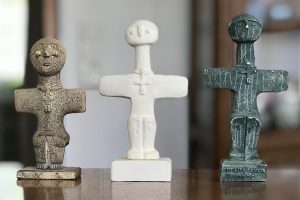
Material Symbolism (Stone, Bronze, Gold, Glass) in ancient Cypriot art reflected deliberate choices where each substance carried layers of spiritual, social, and economic significance. Stone embodied enduring strength drawn from the island’s landscape, bronze represented transformation and resilience, gold signified divine favor and elite status, and glass evoked wonder through its luminous qualities. This intentional selection transformed artifacts into carriers of meaning, highlighting how materials conveyed broader cultural values in a society shaped by trade, ritual, and belief.
- Materials as Carriers of Cultural Meaning
- Historical Development of Material Use
- Stone: Enduring Foundations of Meaning
- Bronze: Forged Symbols of Transformation
- Gold: Radiance of Divinity and Prestige
- Glass: Luminous Expressions of Wonder
- The Enduring Significance of Material Choices
- Contemporary Explorations and Access Points
- A Timeless Language of Substance
Materials as Carriers of Cultural Meaning
Ancient Cypriot art utilized materials not merely for their practical properties but as elements infused with symbolism. Stone, bronze, gold, and glass each evoked specific associations, drawn from the island’s natural resources and imported influences. Stone’s durability suggested permanence and connection to the earth, bronze’s forged nature symbolized human mastery over elements, gold’s rarity and luster implied celestial or royal authority, and glass’s translucence hinted at ethereal mystery. These choices formed a visual language that intertwined spiritual beliefs with social hierarchies and economic realities, evident across artifacts from domestic items to temple offerings.
Historical Development of Material Use
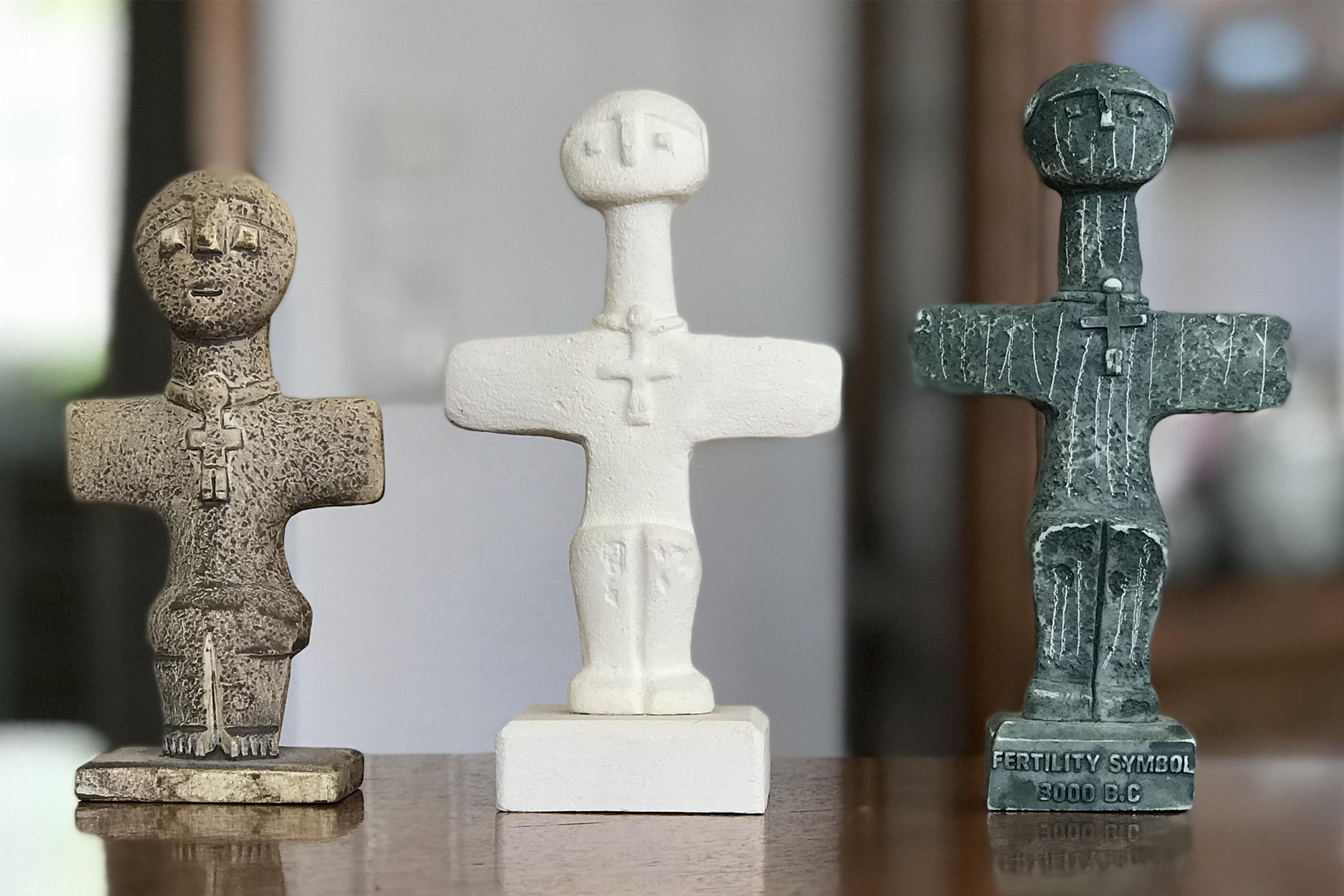
The symbolic role of materials in Cypriot art emerged in prehistoric periods, around 8000 BC during the Neolithic era, when local stones and clays were shaped into basic figurines. By the Bronze Age, beginning approximately 2500 BC, the island’s copper mines positioned it as a key trade center, introducing alloys and exotic substances. Stone carvings, such as fertility statues with emphasized forms, employed limestone to evoke the earth’s generative power. Trade with Egypt and the Levant brought gold, which gained prominence in elite burials, while bronze innovations reflected societal shifts toward craftsmanship and warfare.
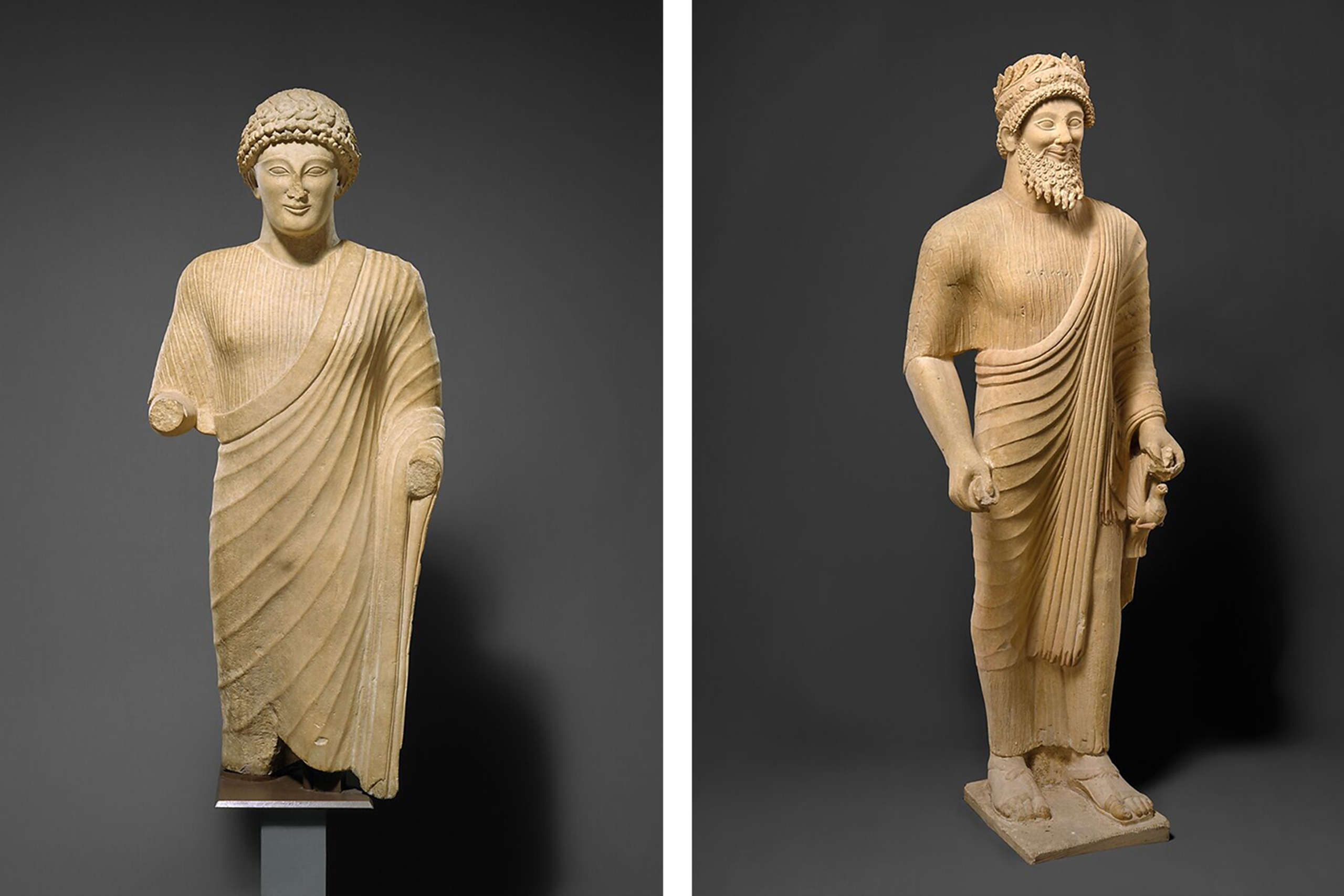
As Greek influences arrived after 1200 BC, materials adapted to new mythological contexts, with gold adorning representations of deities like Aphrodite. Persian administration from 525 BC integrated Eastern opulence, enhancing gold’s association with divine kingship. Roman rule from 58 BC expanded glass production, incorporating it into everyday symbolic items. Throughout these phases, materials retained their layered meanings, evolving with cultural exchanges while rooted in Cyprus’s identity as a resource-rich crossroads.
Stone: Enduring Foundations of Meaning
Stone dominated early Cypriot art due to its abundance and resilience, symbolizing stability and eternal bonds. Limestone, readily available and workable, featured in detailed carvings like goddess figurines, its pale tone evoking purity and the island’s calcareous soils. This material’s ease of shaping allowed for symbolic emphasis, such as enlarged features representing fertility or protection. Harder varieties like basalt, less common and more resistant, appeared in tools or statue bases, connoting unbreakable divine oversight or ancestral legacies. In funerary contexts, stone markers endured environmental wear, reinforcing themes of immortality and communal memory.
Bronze: Forged Symbols of Transformation
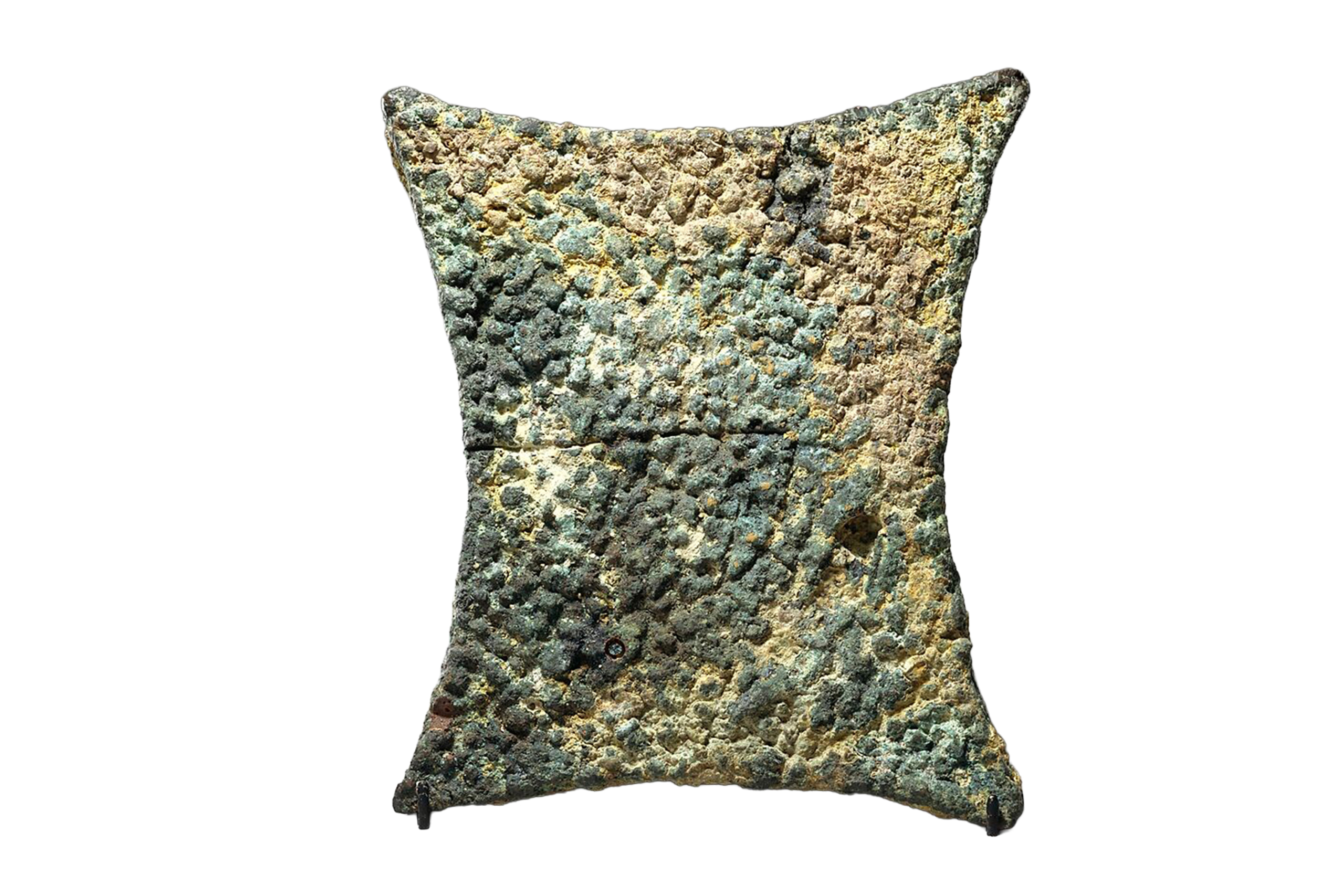
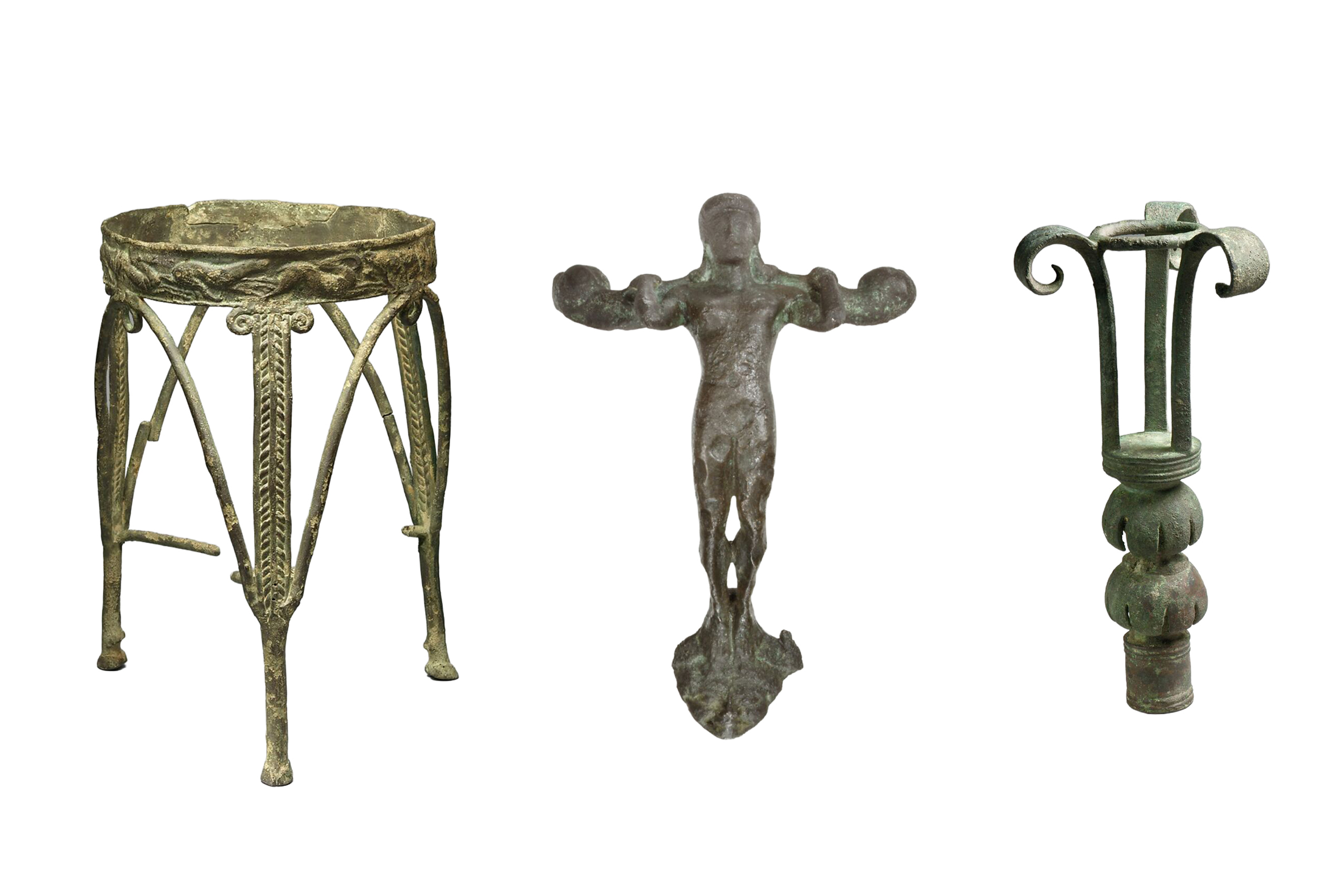
Bronze emerged as a pivotal material around 3000 BC, blending local copper with imported tin to create alloys of strength and versatility. Its creation process – melting and molding – mirrored alchemical change, symbolizing human control over natural forces and societal progress. Small bronze deities or animals, often with patinated surfaces developing over time, represented resilience and adaptation. The material’s initial scarcity positioned it as a marker of status for leaders, while its expansion through mining booms linked it to economic prosperity and spiritual blessings, as seen in figures associating bronze with fertility gods.
Gold: Radiance of Divinity and Prestige
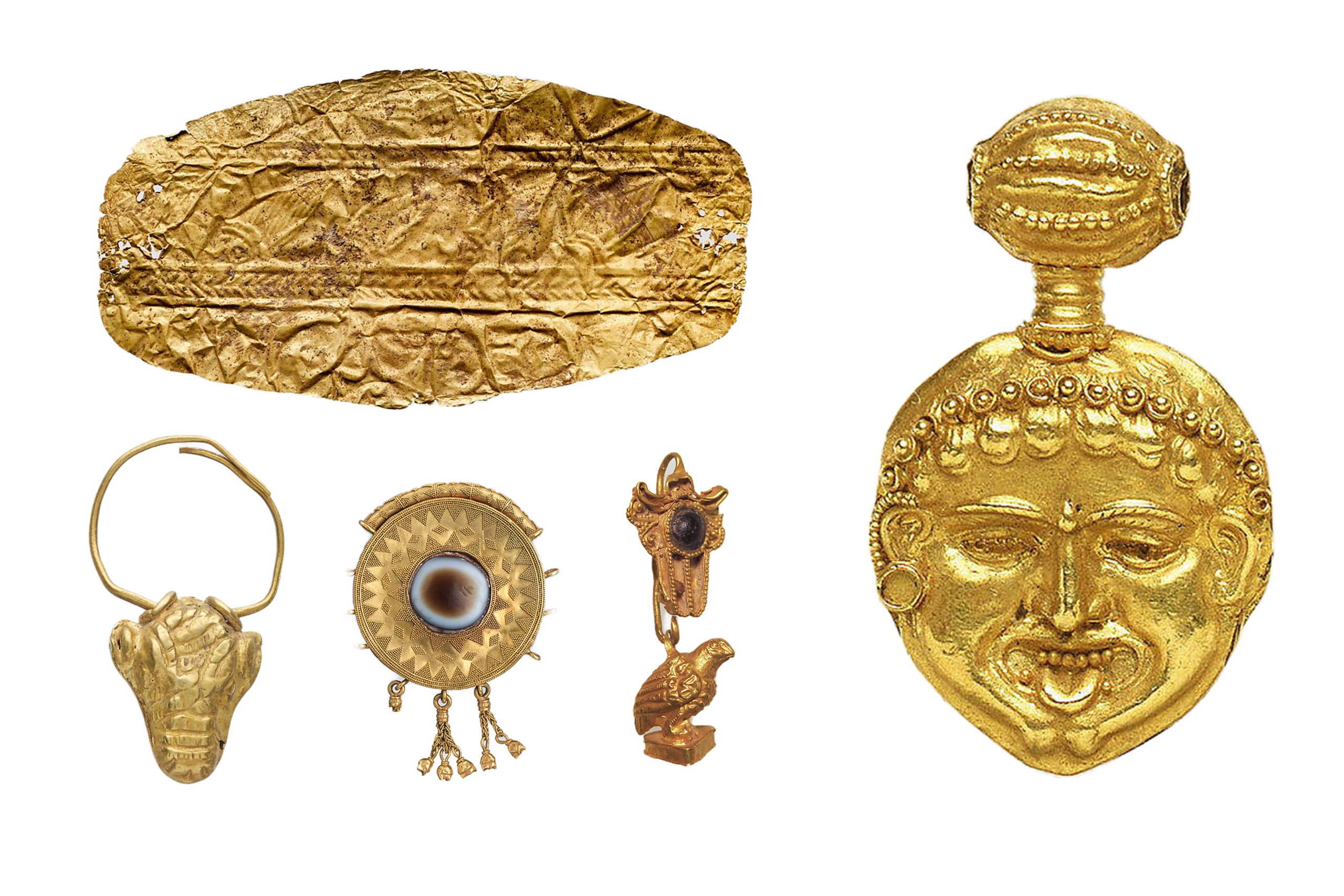
Gold’s scarcity and immutable shine made it a symbol of divine essence and elite privilege from 2500 BC onward. Its malleability enabled intricate detailing in jewelry or overlays, but its enduring luster evoked eternal light and purity. Often alloyed with silver or gemstones, gold items in tombs underscored social hierarchies, with greater quantities denoting higher rank. Spiritually, its solar-like warmth connected to life-giving deities, reinforcing themes of favor and immortality in ritual contexts.

Glass: Luminous Expressions of Wonder
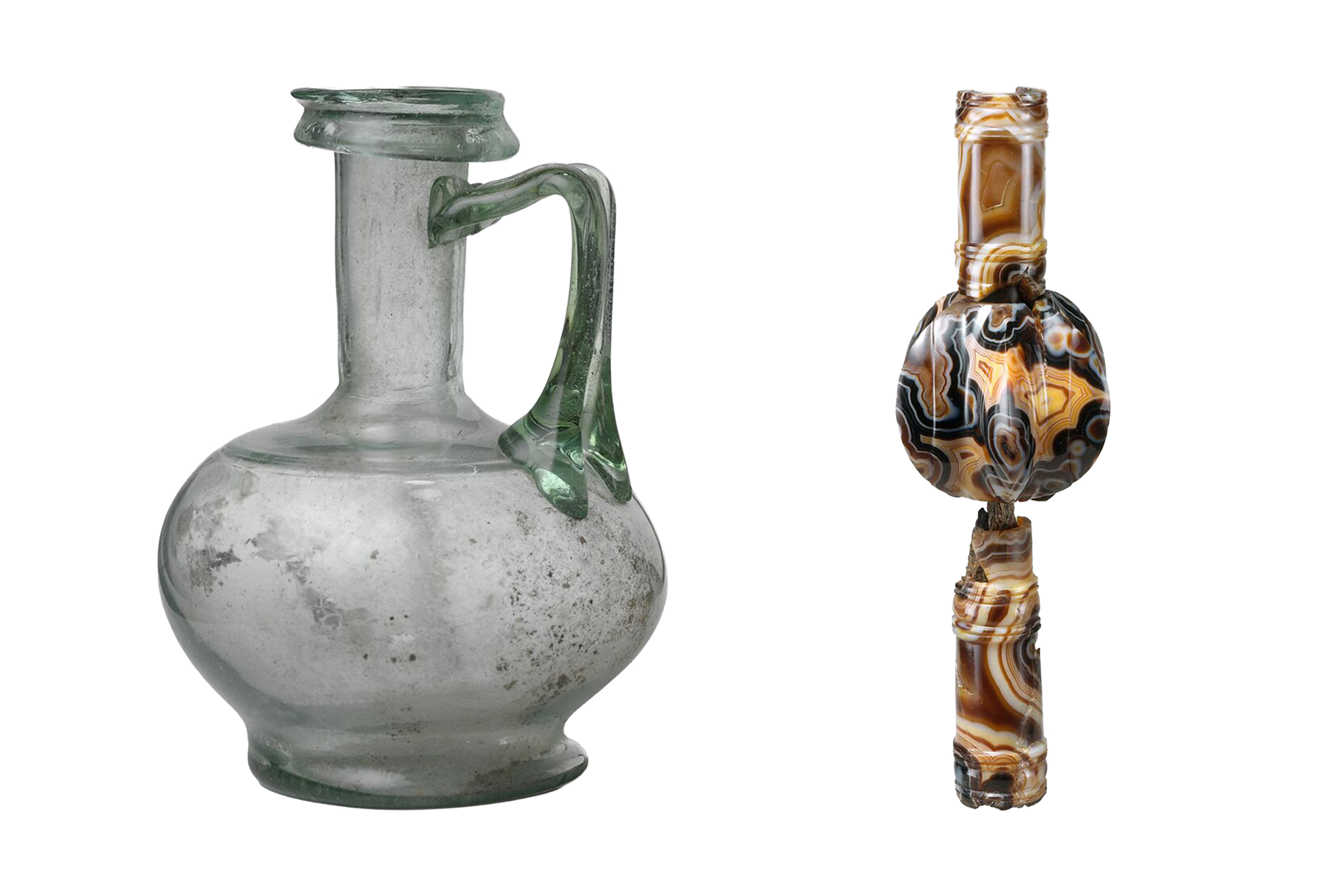
Glass entered Cypriot art around 1500 BC via trade, its formation from heated sand evoking miraculous transformation. Translucent and colorful, it symbolized clarity and ethereal qualities, frequently used in beads or inlays to mimic precious stones at lower cost. Blue or green variants drew associations with sea fertility or verdant renewal, enhancing protective amulets or divine representations. Its fragility contrasted with more durable materials, underscoring life’s delicate balance, while its growing accessibility in the Iron Age broadened symbolic applications.
The Enduring Significance of Material Choices
These material selections were strategic, aligning spiritual symbolism with social and economic realities. Stone’s permanence suited agrarian needs for stability, bronze’s resilience mirrored trade-driven innovation, gold’s rarity upheld hierarchies, and glass’s allure added mystical depth to rituals. This integration influenced beliefs, where materials bridged the human and divine, fostering communal identity amid external changes.
In contemporary Cyprus, these symbolisms persist through adapted traditions. Modern jewelry often employs gold for weddings, evoking ancient divine blessings, while bronze replicas in crafts honor historical resilience. Glasswork in souvenirs draws on luminous themes for protection motifs. Museums and sites preserve this legacy, allowing exploration of how materials continue to convey cultural values.
Contemporary Explorations and Access Points
Material symbolism remains visible in Cyprus through preserved artifacts and living customs. The Cyprus Museum in Nicosia displays bronze figures and gold jewelry, with exhibits explaining their meanings; guided tours provide context on spiritual roles. Paphos Archaeological Park features stone carvings and glass beads in situ, accessible via self-guided paths with informational panels. Village workshops in areas like Lefkara demonstrate bronze and gold crafting, where artisans share techniques tied to symbolic traditions; visits can be arranged through local tourism offices.
Festivals incorporate these elements, such as the use of gold in religious processions during Easter or glass in decorative lamps at saints’ days. For in-depth engagement, the Department of Antiquities offers workshops on ancient materials, often at sites like Enkomi, where participants handle replicas and learn about excavations. Online resources from the Cyprus Tourism Organization detail itineraries for material-themed trails, combining museum visits with craft demonstrations.
A Timeless Language of Substance
Material symbolism in ancient Cypriot art illustrates how choices in stone, bronze, gold, and glass extended beyond utility, embedding spiritual, social, and economic narratives that shaped societal views. Durability and rarity amplified their impact, transforming artifacts into enduring expressions of cultural depth. This legacy highlights Cyprus as a place where substances conveyed profound ideas, offering insights into how materials continue to influence identity and memory.