All Articles

Pierides Museum Cyprus

Pierides Museum Cyprus

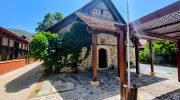
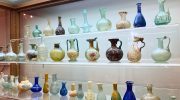
The Pierides Museum is the oldest private museum in Cyprus and operates in the ancestral home of the Pierides family, a colonial-style mansion built in 1825. The institution houses more than 2,500 artifacts that document 9,000 years of Cypriot civilization. The collection was initiated by Demetrios Pierides in the 19th century (1811-1895), with the aim of protecting and preserving Cyprus' antiquities and preventing the loss of the island's history. Today the museum functions under the management of the Bank of Cyprus Cultural Foundation and serves as a testament to five generations of dedicated collecting. The building sits in the heart of Larnaca and provides visitors with a journey through the major periods of Cypriot prehistory and history. Historical Context Demetrios…

Read more
Cyprus Quality Of Life Work

Cyprus Quality Of Life Work

Cyprus offers a compelling combination of Mediterranean island living with modern European employment standards. The cost of living in Cyprus is approximately 12 percent cheaper than in the UK, while the quality of life is high, owing to Cyprus being one of the safest countries in the world. Cyprus was ranked as the 5th best place for lifestyle amongst major European cities and is certainly a fantastic place to live and raise a family. With its year-round sunlight, distinctive natural landscapes, and rich culture, the nation boasts an appealing environment and lifestyle, offering families a perfect combination to enjoy life and work. Standard Working Hours and Time Flexibility The standard time norm of working in Cyprus is 40 hours for…

Read more
Cyprus Climate Patterns 2026

Cyprus Climate Patterns 2026

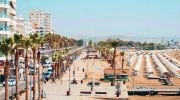
Cyprus experiences a subtropical Mediterranean climate characterized by hot, dry summers from mid-May to mid-September and rainy, changeable winters from November to mid-March separated by short autumn and spring seasons. The island enjoys between 300 and 340 sunny days annually, making it one of the sunniest places in Europe. However, 2026 continues a troubling pattern of climate variability and extremes that have marked recent years. Variability in annual rainfall is characteristic for the island, and droughts are frequent and sometimes severe. Understanding these patterns becomes crucial for agriculture, water management, and planning across all sectors of Cypriot life. Temperature Patterns Across the Island Cyprus is a region with a hot climate. The day temperatures range from 16 degrees Celsius in…

Read more
Cyprus Pine Forest Villages

Cyprus Pine Forest Villages

Pine forest villages in the Troodos Mountains showcase traditional Cypriot architecture where stone houses with wooden balconies cling to mountainsides at elevations between 600 and 1,200 meters. These settlements developed amid orchards, vineyards, and dense pine forests that provide cool escape from coastal summer heat. Kakopetria, Platres, and Pedoulas represent the most prominent examples, with stone-built structures featuring sloping terracotta tile roofs, wooden shutters, and cobbled streets preserved as protected cultural heritage. The architecture responds to mountain conditions including snow, rainfall, and steep terrain uncommon in lowland Cyprus. Kakopetria is cradled between the Kargotis and Garillis rivers, which converge to form the Klarios River, creating lush green environments where water mills once ground grain for village populations. These mountain retreats…

Read more
Why Retirement in Cyprus Popular Among Europeans

Why Retirement in Cyprus Popular Among Europeans

Cyprus has emerged as one of Europe's top retirement destinations, attracting thousands of retirees annually with its combination of Mediterranean climate, favorable tax treatment, and accessible healthcare. The island offers multiple pathways to residency for retirees from EU and non-EU countries, with costs and requirements that make long-term settlement achievable for many pensioners. Understanding why Europeans choose Cyprus for retirement reveals practical advantages that extend beyond the obvious appeal of year-round sunshine. The Tax Advantage That Changes Everything Cyprus offers one of Europe's most attractive tax regimes for foreign pension income. Tax-resident retirees can choose between two taxation methods for their foreign pensions. The first option applies a flat 5% tax rate on pension income exceeding €5,000 annually, with amounts…

Read more
Phytorio Art Platform Nicosia

Phytorio Art Platform Nicosia

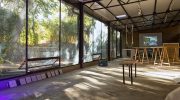
Phytorio is an artist-run platform and exhibition space housed in a distinctive modernist building within the Nicosia Municipal Gardens. The space serves as both a gallery and headquarters for the Visual Artists and Art Theorists Association, an organization established to advocate for professional artists in Cyprus. The name translates to "plant nursery" in Greek, which reflects the building's original purpose and its current role as a nurturing ground for artistic practice. From Municipal Nursery to Cultural Space The story of Phytorio begins with architect Neoptolemos Michaelides, who designed the building in 1969 as part of his broader plan for the Nicosia Municipal Gardens. Michaelides studied at Milan Polytechnic in the 1940s and became known for blending modern architectural principles with…

Read more
Memory as Social Duty in Cyprus Tradition

Memory as Social Duty in Cyprus Tradition

In Cyprus, tradition functions as social infrastructure, carrying obligation, honour, and belonging through daily behaviour rather than occasional ceremony. Family authority, naming practices, land attachment, ritual calendars, food knowledge, and hospitality keep continuity active across Greek Cypriot, Turkish Cypriot, Maronite, and Armenian communities, even as modern life changes the setting. This article explains how those inherited expectations work in practice, why they persist, and what they still provide when institutions, borders, and routines shift. Duty Over Nostalgia In many cultures, tradition is preserved because it feels comforting or symbolic. In Cyprus, it is preserved because it is expected. Cultural practices function as moral anchors that connect individuals to family lineage and collective memory. This applies across communities, including Greek Cypriot,…

Read more
Cyprus Scenic Mountain Passes

Cyprus Scenic Mountain Passes

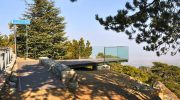
Cyprus mountain roads offer some of the Mediterranean's most spectacular drives, with routes that climb from sea level to nearly 2,000 meters through ancient forests, traditional villages, and panoramic viewpoints. These roads showcase the island's dramatic geography while connecting travelers to centuries of history and natural beauty. Mount Olympus Road The road to Mount Olympus climbs to 1,952 meters above sea level, making it the highest point on the island. Two military bases occupy the summit, one British, limiting public access to the very top. However, roads leading toward the peak provide stunning views of surrounding valleys and forests. The journey starts from several possible directions, with routes from Limassol through Platres being among the most popular. The ascent features…

Read more
Saint Nicholas Armenian Church

Saint Nicholas Armenian Church

Saint Nicholas Armenian Church, widely known as Notre Dame de Tyre or Our Lady of Tyre, is a medieval Gothic structure located in the old city of Nicosia, in the northern part of Cyprus. Built in the early 14th century between 1308 and 1310, it stands as one of the most important surviving architectural monuments linked to the Armenian presence on the island. The building has undergone multiple transitions in function and ownership over the centuries, reflecting the broader historical changes that shaped Cyprus. Originally established during the Lusignan period, the structure was part of a convent complex associated with religious communities that were active in Cyprus during the medieval era. The architecture reflects the Gothic style introduced to the…

Read more