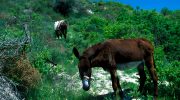
Rural Farming Life in Cyprus
Agriculture constituted the backbone of Cyprus's economy when the country achieved independence in 1960, consisting mostly of small farms and sometimes even subsistence operations. In the early 1970s, Cypriot farms, still overwhelmingly small owner-run units, furnished about 70 percent of commodity exports and employed about 95,000 people, or one-third of the island's economically active population. The traditional rural landscape featured fragmented holdings where families worked terraced hillsides and valley floors, producing grapes, olives, wheat, barley, carobs, and seasonal vegetables. This farming pattern shaped village life for centuries, creating rhythms of planting, harvesting, and communal celebration that defined Cypriot identity as much as the Orthodox church or family structures. How Villages Worked the Land Landholdings remained generally small, highly fragmented, and…
Read more