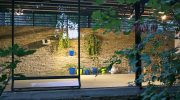
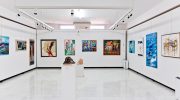
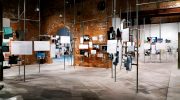
Phytorio is an artist-run platform and exhibition space housed in a distinctive modernist building within the Nicosia Municipal Gardens.
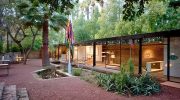
The space serves as both a gallery and headquarters for the Visual Artists and Art Theorists Association, an organization established to advocate for professional artists in Cyprus.
The name translates to “plant nursery” in Greek, which reflects the building’s original purpose and its current role as a nurturing ground for artistic practice.
From Municipal Nursery to Cultural Space
The story of Phytorio begins with architect Neoptolemos Michaelides, who designed the building in 1969 as part of his broader plan for the Nicosia Municipal Gardens. Michaelides studied at Milan Polytechnic in the 1940s and became known for blending modern architectural principles with local materials and traditional building methods. His design for the municipal gardens included this small structure intended to function as the garden’s plant nursery.
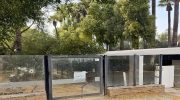
The building fell into disrepair over the following decades. In 2006, a small group of independent artists founded what was initially called the Visual Artists Association, focused on creating better working conditions for self-employed artists in Cyprus, particularly regarding social security and pension rights. Four years later, in 2010, the Municipality of Nicosia granted the association use of the abandoned nursery building. The artists restored the space at their own expense, with private donations exceeding 55,000 euros along with some support from cultural services. They renamed it Phytorio to honor its history and symbolize their vision of the space as a nursery for emerging artistic voices.
What Makes Phytorio Unique
The space operates differently from traditional galleries. Rather than following a commercial model, Phytorio functions as a collective platform where professional artists and art theorists work together on shared goals. Members organize into smaller teams and think tanks focused on three main areas: implementing legislation that recognizes artists as a professional category in Cyprus, ensuring enforcement of the “Percent for Art” law that requires one percent of public building budgets to go toward public art, and creating opportunities that connect young Cypriot artists with international networks.
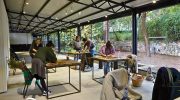
The architectural character of the building contributes to its identity. Michaelides designed it with exposed concrete, natural light, and materials that age gracefully. The space functions as both an atelier and gallery, with a garden area that hosts outdoor events and discussions. This dual nature allows Phytorio to serve as a meeting point where artistic production and community dialogue happen simultaneously.
Surprising Facts About the Space
The association has organized more than 100 exhibitions, workshops, and talks since taking over the building in 2010. One of their most ambitious projects was the 2017 program “Modus Operandi: Young Artists from Cyprus,” which created an online directory and mounted simultaneous exhibitions across four artist-run spaces in Nicosia, featuring work by emerging artists under 35. International curators from Greece, Britain, and the Netherlands participated in selecting and presenting the work.

The building sits at the old Nicosia Hospital parking area on Nehrou Street within the municipal gardens, a location that connects it to the historical center of the city while maintaining a somewhat secluded, garden atmosphere. Artists have hosted research residencies there, including a 2019 program focused on environmental technology and digital infrastructure led by Austrian artists, and a 2021 series of public discussions examining the relationship between art, history, and politics in Cyprus.
The space has also served as a venue for book launches, film screenings, performance art, and collaborative library projects where artists contribute works that are then sold, with half the proceeds supporting the association.
Broader Artistic Context
Phytorio emerged as part of a wave of artist-run spaces that developed in Nicosia during the 2010s. This period saw the return of many Cypriot artists who had studied or worked abroad and wanted to create new structures for exhibiting and discussing contemporary art. The association helped address a gap in Cyprus, where fine arts degree programs and contemporary art infrastructure had been limited.
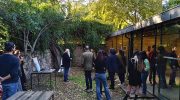
The organization continues to advocate for structural changes in how Cyprus supports its artists. The association pushed for legislation that would give professional artists access to the same social benefits available to other self-employed workers, including healthcare and pensions. This practical advocacy work happens alongside the cultural programming, reflecting a belief that sustainable artistic communities require both creative freedom and basic professional protections.
Why It Matters Today
Phytorio represents an example of artists taking direct action to create the infrastructure they need. At a time when many European cities have seen artist-run spaces disappear due to rising costs and redevelopment, Phytorio demonstrates one model for how artists can collaborate with municipal governments to preserve and activate architectural heritage.

The space fills a particular role in Nicosia’s cultural landscape. While larger institutions like the Nicosia Municipal Arts Centre focus on exhibitions with established artists, Phytorio provides a platform specifically for emerging voices and experimental work. The emphasis on collective organizing rather than individual achievement reflects broader conversations in the art world about sustainability and community support.
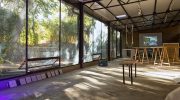
The building itself stands as an example of how modernist architecture from the 1960s can be adapted for contemporary use while maintaining its original character. Michaelides’s design principles of simplicity, natural materials, and integration with the surrounding landscape continue to shape how the space functions today.
Visiting the Space
Phytorio is located at Nehrou 2 in the Nicosia Municipal Gardens. The space operates irregular hours that depend on its programming schedule, so checking their website or social media before visiting is recommended. Admission to exhibitions is typically free, reflecting the association’s commitment to making contemporary art accessible.
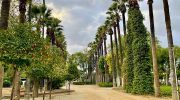
The garden setting provides a distinct experience compared to typical white-cube galleries. Visitors often encounter a mix of indoor exhibition space and outdoor areas where informal conversations and events take place. The atmosphere tends to be collaborative and welcoming, particularly during opening receptions and public programs when artists and organizers are present.
A Place Worth Understanding
Phytorio matters because it shows how artists can build sustainable platforms through collective action and strategic partnerships with public institutions. The space demonstrates that even a small building can have significant cultural impact when used thoughtfully and maintained by a committed community. For anyone interested in contemporary art in Cyprus or the broader question of how artists create and maintain independent spaces, Phytorio offers a practical case study in what becomes possible when creativity meets organizational determination.