Vineyards and Wine

Wildflowers and Vineyards of Cyprus

Wildflowers and Vineyards of Cyprus

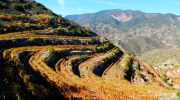
Cyprus is located at the crossroads of the three major flora zones of Europe, Asia, and Africa. This strategic position has produced remarkable botanical diversity, with approximately 1,950 species of flowering plants recorded on the island. About 8 percent of the indigenous plants, totaling 139 endemic species and subspecies, are found nowhere else on Earth. commons-wikimedia-org The island's great variety of habitats, attributed to varied microclimate and geology ranging from coastal sand dunes to mountains reaching 1,952 meters, creates the perfect conditions for this exceptional flora. Meanwhile, the wine industry thrives on terraced slopes where vines have grown for thousands of years, producing varieties like Commandaria that trace their origins back over 800 years. When Wildflowers Transform the Landscape The…

Read more
Cyprus Commandaria Wine and Its Heritage

Cyprus Commandaria Wine and Its Heritage

Commandaria is an amber-colored sweet dessert wine made exclusively in the Commandaria region of Cyprus on the southern slopes of the Troodos Mountains. It represents an ancient wine style documented back to 800 BC and holds the distinction of being the world's oldest named wine still in production. needpix The wine is made from sun-dried grapes of two indigenous varieties, Xynisteri and Mavro. Production takes place only in 14 designated villages at altitudes between 500 and 900 meters within the Limassol District. The name Commandaria dates to the Crusades in the 12th century when Knights Templar and Knights Hospitaller controlled the region. From Ancient Nama to Medieval Commandaria The Greek poet Hesiod first described a dried grape wine from Cyprus…

Read more
Cyprus Grape Wine Festivals

Cyprus Grape Wine Festivals

Wine and grape festivals in Cyprus are not simply seasonal entertainment. There are moments when the island pauses to acknowledge a cycle that has shaped its landscape, economy, and identity for thousands of years. As vineyards empty and presses fill, villages and cities transform the harvest into a shared experience, blending labour, celebration, and continuity in ways that feel both ancient and alive. To attend a Cypriot wine festival is to step into a rhythm older than tourism, older than modern agriculture, and older than written records. It is where grapes become wine, and wine becomes a social language through which people gather, perform, and remember. When the Harvest Became a Community Ritual Harvest time in Cyprus has always been…

Read more
Cyprus Wine Harvest Festivals

Cyprus Wine Harvest Festivals

The Cyprus Tourism Organisation created seven designated wine routes between 2004 and 2013 with funding from European Union structural programs. These routes include over 60 wineries, traditional restaurants, museums, churches, and cultural attractions spread across wine-producing regions. Each route showcases different indigenous grape varieties and unique terroir characteristics based on altitude, soil composition, and microclimate. kiprguru-com The Krasochoria Wine Villages Route The Krasochoria Wine Villages route in the Limassol district represents the heart of Cyprus wine production. This area contains 20 picturesque villages with the highest concentration of wineries on the island. Villages like Omodos and Koilani alone house 10 wineries between them. The dry climate and unique limestone geology create ideal conditions for cultivating both indigenous varieties like Xynisteri…

Read more
Ancient Wine Pressing Techniques Cyprus Wineries

Ancient Wine Pressing Techniques Cyprus Wineries

Cyprus holds one of the longest unbroken wine traditions in the world, with archaeological evidence placing winemaking on the island at approximately 5,500 years ago. Pottery fragments discovered at Erimi village and analyzed in 2005 by Italian archaeologist Maria-Rosaria Belgiorno showed traces of tartaric acid, proving that these Chalcolithic period vessels dated between 3500 BC and 3000 BC were used for wine storage. What makes Cyprus unique is not just the antiquity of its wine culture, but the remarkable continuity of production methods that survived for millennia. Historical Background The earliest winemaking in Cyprus relied on simple but effective techniques. Grapes were placed in stone or clay basins where workers trod them with bare feet to extract the juice. A…

Read more
Ancient and Modern Cyprus Winemaking

Ancient and Modern Cyprus Winemaking

Cyprus holds a remarkable place in wine history that few other regions can match. This Mediterranean island has been producing wine for nearly 6,000 years, with archaeological evidence placing its first vintages around 3500 BC. solo-spirits com Today, Cyprus stands at an exciting crossroads where ancient traditions meet modern innovation, creating wines that honor the past while embracing the future. Historical Context In 2005, archaeologists made a discovery that changed our understanding of wine history. They analyzed pottery fragments found in the village of Erimi during the 1930s and confirmed these Chalcolithic wine jars dated back 5,500 years. The containers showed traces of tartaric acid, a key component of wine, proving that Cyprus produced the Mediterranean's first wines, predating Greek…

Read more