Cyprus villages maintain a rich tradition of harvest festivals that mark seasonal agricultural cycles and bring communities together in celebration. These fairs occur throughout the year, each timed to specific crop harvests from strawberries in spring to grapes in autumn.
The Troodos Mountain villages and lowland agricultural communities organize events that transform quiet settlements into bustling centers of food, music, dance, and traditional crafts. These gatherings serve purposes beyond simple celebration, functioning as economic opportunities for producers, educational experiences for younger generations, and cultural affirmations of village identity centered on agricultural heritage.
Spring Festivals of Early Harvests
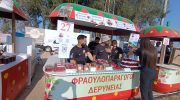
The agricultural year begins in May with strawberry festivals in villages like Deryneia, the island’s largest strawberry producer. The fertile red soil favors cultivation, with harvest running from November to June. Festival organizers offer free fresh strawberries, strawberry juice, jam, liquor, candy, and ice cream to thousands of visitors who arrive during the celebration. The festivities include music performances, traditional dances, and children’s activities.

Cherry festivals dominate June across Troodos Mountain villages including Kampos tis Tsakistras, Pedoulas, Platanistasa, and Treis Elies. These mountain settlements benefit from cooler climate that suits cherry trees, which dislike extreme heat. Pedoulas, located in the Marathasa Valley, organizes one of the largest celebrations drawing over 10,000 people annually. The festival features packed schedules with cooking demonstrations, children’s activities, live music and dancing, marketplaces with traditional products, workshops, and walks through cherry orchards.
The villages celebrate two types of ruby cherries and one type of sweet cherry: the mahaleb cherry, common cherry, and sweet cherry. Festival visitors wander through charming streets lined with stalls selling fresh cherries, cherry preserves, and cherry products. The scent fills the air, creating a festive atmosphere. Cherry-picking competitions add friendly rivalry, with participants racing to pick as many cherries as possible within set times.

Rose festivals occur in mid-May at Agros village in the mountain area of Limassol region. Beyond entertainment, tastings, and fairs, guests participate in early morning petal gathering and learn about processing technology and products obtained from roses. Shop offerings include cosmetics with rose extract, rose tea, and rose liquor. Lavender festivals in Avgorou and Platres villages follow in June and July with similar formats.
Summer Celebrations of Seasonal Crops
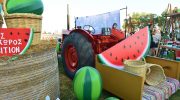
Watermelon festivals take place in July and August across multiple villages including Frenaros, Akaki, and Kato Milos. The Frenaros celebration focuses on fresh watermelon, with organizers providing abundant fruit while chefs from across Cyprus present watermelon recipes. Akaki’s version emphasizes creativity, offering different watermelon cocktails, watermelon ice cream, and watermelon spoon sweets called glyko tou koutaliou.

These events include music, dances, fairs, and tastings of watermelon treats. Visitors discover national watermelon jam and refresh themselves with watermelon juice. Local cheese makers provide halloumi cheese abundantly, as its delicate creamy taste pairs well with sweet watermelon freshness. Children enjoy playgrounds, contests, and face painting. The atmosphere remains light, relaxed, and delicious.
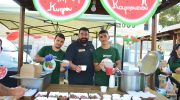
Potato festivals occur in Xylofagou and Avgorou villages during July and September. Cyprus potatoes are famous for excellent flavor and firm texture. These festivals showcase the importance of potato cultivation to local economies while providing opportunities to taste various potato dishes and learn about growing techniques.
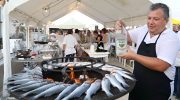
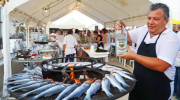
Fish festivals at Zygi village in August celebrate coastal communities’ reliance on Mediterranean fishing traditions. Kleftiko festivals in Meneou village honor slow-cooked lamb, a traditional Cypriot specialty requiring hours of preparation in traditional ovens.
Autumn Harvest Celebrations
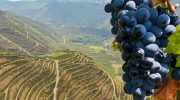
Grape harvest festivals represent the year’s most significant agricultural celebrations, occurring throughout September and October in the Krasochoria, or wine-producing villages, covering hilly areas of Limassol and Paphos districts. Cyprus ranks among the world’s oldest vine-growing and wine-producing countries, with archaeological evidence suggesting winemaking existed 6,000 years ago. The warm climate and fertile soils create perfect conditions for growing indigenous and imported vine varieties.
The Limassol Wine Festival, established in 1961 and now in its 65th edition, runs for nine days in late September and early October. Held in the town’s seaside municipal gardens, the festival welcomes visitors in traditional manner with a symbolic villager statue that has become the event’s emblem. The gathering offers everyone a chance to experience Greek Dionysian tradition while promoting communal enjoyment and celebrating grape harvest good fortunes.
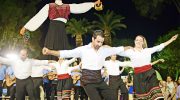
Evening entertainment includes folklore dances, choir and musical performances, comedic theater, and grape treading. Traditional dishes like souvlaki, halloumi, and loukoumades are served alongside wine tastings from numerous Cypriot wineries. The festival admission costs 5 euros for adults, 3 euros for teenagers, and remains free for children under 12. Wine tasting from stands runs from 18:30 to 22:00 each evening.
Individual village grape festivals occur throughout the wine regions. Vasa Koilaniou, known as the “Wine Village,” hosts celebrations where visitors join local farmers in vineyards for harvesting, participate in traditional grape stomping, and tour family-owned wineries offering tastings. Vouni village, perched at 800 meters elevation, celebrates with live music, folk dancing, culinary stalls featuring halloumi grilled over vine wood, and workshops pairing wines with traditional dishes.
The modern OinoFest in Lofou village, now in its third year, attracts younger generations with contemporary programming while maintaining traditional elements. The three-day festival includes wine tastings overlooking the beautiful village, traditional grape harvest demonstrations with music, live jazz performances, and markets featuring handcrafted art and local products.
Potamiou village celebrates with Cypriot delicacies including trachanas soup, warm palouzes grape must pudding, siousiukko grape sweets, zivania spirit, and local wine. Beyond tastings, events feature live music, dances, cycling wine routes, village tours, and mystery games.
Traditional Foods at Harvest Festivals
Palouzes, made from grape must boiled with flour until thick, appears at most grape festivals. This traditional sweet is consumed warm or cooled into flat pans and cut into rectangular pieces called kiofterka, which dry to elastic texture and can be mixed with almonds to accompany wine.
Siousiukko, another grape must confection, involves dipping strings of almonds or walnuts into boiled must repeatedly until thick coatings form. These fruit leather-like sweets hang to dry and provide portable nutrition that stores for months.
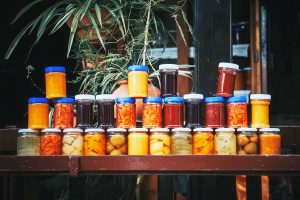
Halloumi cheese features prominently across festivals, grilled over charcoal or vine wood. Souvla, succulent meat cooked on spits, appears alongside kleftiko slow-cooked lamb, koupepia stuffed vine leaves, and various meze dishes. Each region highlights its specialty products, from honey in mountain villages to fish in coastal settlements.
Why Harvest Festivals Matter
These celebrations maintain agricultural heritage threatened by urbanization and modernization. Young people who migrate to cities return for festivals, reconnecting with family traditions and village roots. The events transmit knowledge about cultivation, preparation methods, and traditional recipes across generations through demonstration rather than classroom instruction.
Economically, festivals generate substantial income for villages through food sales, craft vendors, accommodation bookings, and purchases of local products. Many villages maintain traditional production methods specifically for festival sales. Wine villages showcase products, mountain settlements sell preserved foods and honey, and coastal communities offer fresh seafood.
The festivals create annual rhythms structuring village life and providing occasions for family reunions. Extended relatives scattered across Cyprus or living abroad return to ancestral villages, temporarily reversing population decline. These gatherings reinforce kinship networks and community bonds through shared celebration.
Culturally, harvest festivals preserve customs, music, dances, and recipes that might otherwise disappear. They create contexts where older generations teach younger ones traditional songs, dances, and food preparation methods. Folk instruments like violin and laouto remain relevant through festival performances.
Experiencing Harvest Celebrations Today
Most harvest festivals remain free to attend, though some charge nominal entrance fees or request donations. The Limassol Wine Festival represents an exception with its structured ticketing. Villages welcome visitors warmly, viewing attendance as support for their traditions and economies.
Appropriate dress varies by festival formality. Mountain village events allow casual comfortable clothing suitable for outdoor activities. Visitors should bring sun protection during summer festivals and layers for evening temperature drops at higher elevations.

Arriving early provides opportunities to observe preparation activities like palouze making, grape stomping, or traditional cooking demonstrations. Late afternoon and evening hours bring peak crowds, live performances, and the most vibrant atmosphere. Many festivals extend into night with music and dancing continuing past midnight.
Photography is generally welcomed at festival activities, though asking permission before photographing individuals shows respect. Supporting local economies by purchasing products, dining at tavernas, and patronizing craft vendors helps sustain villages and justifies continued festival organization.