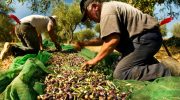
Local Farming and Produce

Cyprus Organic Gastronomy Products

Cyprus Organic Gastronomy Products

Cyprus has developed a distinctive approach to food production and consumption that combines centuries-old agricultural traditions with modern sustainability practices. The island's organic farming sector and sustainable gastronomy movement reflect a growing commitment to environmental protection, rural development, and the preservation of culinary heritage. This transformation positions Cyprus as a destination where visitors can experience authentic Mediterranean food culture while supporting responsible agricultural practices. kiprinform-com Organic farmland in Cyprus now covers 8% of cultivated land, a significant increase from just 0.22% two decades ago. This growth demonstrates the island's response to both European Union directives and consumer demand for sustainably produced food. The agricultural sector employs traditional methods alongside innovative approaches, creating products that honor Cypriot identity while meeting contemporary…

Read more
Backbone Grain and Cereal Crops

Backbone Grain and Cereal Crops

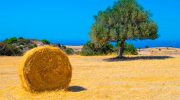
Wheat and barley have shaped Cyprus more deeply than many of its monuments or political eras. Grown across central plains and foothills, these cereals supported village life, defined everyday food traditions, and helped communities endure drought, famine, and political change. This article explores how cereal farming developed on the island, why it mattered socially and culturally, and how grain continues to influence Cypriot life today. cyprusfoodmuseum-com An Island Fed by Grain, Not Spectacle Cyprus is often described through coastlines, ruins, and mythology, yet for most of its history, the island was sustained by something far more modest. Wheat and barley were not symbols of wealth or power. They were tools of survival. For thousands of years, grain farming shaped daily…

Read more
Ottoman Influence and Adoption

Ottoman Influence and Adoption

Koupes are one of the most iconic legacies from the period of Ottoman rule in Cyprus, bearing resemblance to Levantine kibbeh. The dish arrived on the island during the centuries of Ottoman control, when eastern Mediterranean food culture spread throughout the empire. The broader kibbeh family includes variations found in Lebanon, Syria, Palestine, Jordan, Iraq, Egypt, and Turkey, where it appears as içli köfte. cypruspassion-com Each region adapted the basic concept of bulgur-encased meat to local tastes and available ingredients. In Cyprus, the dish evolved into koupes with its distinctive cylindrical shape and specific spice combination. The use of extra-fine bulgur became standard, creating a delicate shell texture different from coarser versions found elsewhere. By the 19th century, koupes had…

Read more
Traditional Animal Farming in Cyprus Rural Life

Traditional Animal Farming in Cyprus Rural Life

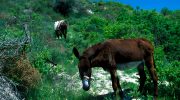
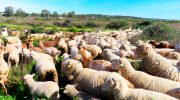
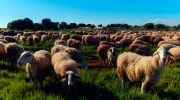
Traditional animal farming formed the economic and cultural foundation of Cyprus villages for millennia, with sheep, goats, cattle, pigs, and poultry sustaining rural communities through meat, milk, eggs, and raw materials for clothing and tools. The Bronze Age village of Politiko-Troullia from 2050 to 1850 BC already showed evidence of copper metallurgy alongside sheep, goat, cattle, and pig consumption, establishing patterns that persisted for 4,000 years. otzyv-ru Sheep and goat farming developed particular importance due to their suitability for Cyprus's rocky terrain, scrubland vegetation, and semi-arid climate. These hardy animals provided the milk for halloumi, Cyprus's most famous product, which traditionally used only sheep and goat milk before modern commercial production began adding cow milk. The island maintained approximately 3,500…

Read more
Traditional Cypriot Cooking with Olive Oil, Lemon, and Herbs

Traditional Cypriot Cooking with Olive Oil, Lemon, and Herbs

Traditional Cypriot cooking relies on three essential ingredients: olive oil, lemon, and fresh herbs such as mint, oregano, and parsley. This simple trinity defines the island's approach to food, creating dishes that emphasize natural flavors rather than complex techniques. Traditionally, cumin and coriander seeds make up the main cooking aromas of the island. somanyhorses-ru Olive oil serves as the primary fat for salad dressings and vegetable preparations, though not for cooking meat dishes. Lemon juice appears in nearly every savory dish, from marinades to finishing touches. Fresh herbs grow abundantly across Cyprus, with mint being particularly important. Mint grows abundantly in Cyprus, and locals use it for everything, particularly in dishes containing ground meat. This cooking philosophy developed over centuries…

Read more
Cyprus Slow-Cooked Vegetable Recipes

Cyprus Slow-Cooked Vegetable Recipes

Slow-cooked vegetable dishes form a core part of traditional Cypriot cuisine, particularly preparations called yiahni or lathera. The term yiahni means steamy and refers to vegetables braised slowly with olive oil, tomatoes, and herbs in a tightly sealed vessel. shutterstock-com Lathera refers to a style of cooking where vegetables braise in olive oil, often with tomatoes and herbs, until they become very tender and the sauce thickens. These dishes include fasolada, a white bean soup, louvi made with black-eyed beans and greens, gemista or stuffed vegetables, and fasolakia yiahni with green beans. The cooking method produces tender vegetables that absorb the flavors of olive oil, lemon, and fresh herbs while maintaining their nutritional value. Ancient Traditions and Religious Influence Fasolada…

Read more
Cyprus Farming Rhythms and Seasonal Traditions

Cyprus Farming Rhythms and Seasonal Traditions

Cyprus agriculture follows ancient patterns shaped by Mediterranean climate and generations of farming wisdom. The island produces diverse crops throughout the year, from citrus fruits and potatoes to grapes and olives. Over 320 sunny days annually create ideal conditions for cultivation, though water scarcity challenges farmers who consume 70% of the island's resources for irrigation. nano-banana Small family farms dominate the landscape despite modernization. Agriculture contributes roughly 2% to GDP while employing 7% of the workforce. The sector supports rural communities and preserves village life across mountainous terrain. Traditional methods blend with contemporary techniques as Cyprus maintains its reputation for quality Mediterranean produce. Ancient Roots Shape Modern Agriculture Farming traditions in Cyprus stretch back to the 2nd millennium BC, with…

Read more
Cyprus Carob Black Gold

Cyprus Carob Black Gold

For centuries, the carob tree quietly underpinned life in Cyprus. Long before sugar, tourism, or modern industry reshaped the island, carob sustained rural families economically, nutritionally, and socially. Known locally as “black gold,” it was never glamorous, but it was dependable. In a land shaped by drought, invasion, and uncertainty, the carob tree endured, feeding people, funding villages, and anchoring tradition in the Cypriot landscape. A Tree Built for Hard Conditions The carob tree, Ceratonia siliqua, is perfectly adapted to Cyprus’s dry Mediterranean climate. Its deep roots draw moisture from far below the surface, allowing it to survive long summers without irrigation. Thick, leathery leaves reduce water loss, and slow growth produces a tree that can live for centuries. This…

Read more
Cyprus Citrus Groves

Cyprus Citrus Groves

Citrus trees have never been a background crop in Cyprus. They reshaped coastal plains, sustained export economies, scented villages with orange blossom, and anchored everyday cooking. Oranges, lemons, grapefruits, and local hybrids thrive where mild winters meet long sunlight hours, making citrus one of the island's most recognisable and enduring farming traditions. Even as Cyprus modernises, citrus remains a quiet constant, rooted in land, memory, and daily life. Why Citrus Took Hold in Cyprus Citrus farming in Cyprus is defined by geography. The island’s coastal plains provide exactly what citrus trees require: frost-free winters, fertile soils, and long growing seasons. Unlike vineyards that climb into the mountains, citrus orchards stay close to the sea, shaping lowland landscapes around Morphou, Limassol,…

Read more