Cultural festivals

Two Festivals, One Island

Two Festivals, One Island

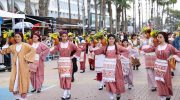
Cyprus expresses its culture best when it gathers people together in public spaces, after sunset, with music in the air and tradition close at hand. Two annual festivals capture this instinct especially clearly: the Limassol Wine Festival and the Ayia Napa International Festival. Though different in tone and setting, they reveal how Cyprus balances heritage and openness, local pride and global exchange. Experiencing them side by side offers a clear insight into how celebration functions as a cultural language on the island. kiprinform-com Two Ways of Telling the Same Story At first glance, these festivals appear to represent different worlds. Limassol's event revolves around wine, harvest traditions, and large-scale public gatherings, while Ayia Napa's focuses on music, performance, and international…

Read more
Panigyria Festivals and Village Traditions

Panigyria Festivals and Village Traditions

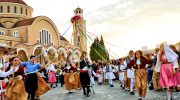
Village festivals in Cyprus, known as panigyria, are feast-day gatherings where worship, food, music, and shared space briefly restore villages to their fullest social life. Anchored to patron saints and seasonal rhythms, they pull families back from cities and the diaspora, turning squares and streets into places of blessing, hosting, and collective memory. This article explains how panigyria work from procession to shared tables, why each village’s celebration feels distinct, and how visitors can participate without disrupting the local rhythm. cyprusdiscovery-com At a glance • What they are: village feast days tied to saints, seasons, or harvests• Where they thrive: rural and mountain villages across Cyprus• Best time: late spring through early autumn• What defines them: faith, food, music, shared…

Read more
Cultural and Heritage Travel Planning

Cultural and Heritage Travel Planning

Cyprus offers exceptional cultural heritage concentrated in a small Mediterranean island. Three UNESCO World Heritage Sites showcase Byzantine art, Roman mosaics, and Neolithic settlements spanning over 9,000 years of continuous habitation. The island sits at the crossroads of Europe, Asia, and Africa, creating a unique blend of Greek, Byzantine, Ottoman, and British influences. Cultural travelers find well-preserved monuments, traditional villages practicing ancient crafts, and living Orthodox traditions. The compact geography allows visiting multiple historical periods and cultural expressions within short distances. This concentration of heritage makes Cyprus particularly efficient for travelers seeking deep cultural immersion without extensive travel between sites. The Three UNESCO World Heritage Sites Paphos became Cyprus's first UNESCO World Heritage Site in 1980. The Paphos Archaeological Park…

Read more
Pafos Aphrodite Festival

Pafos Aphrodite Festival

Each September, the ancient harbor of Pafos becomes something rare: a place where opera, history, and landscape converge without competing for attention. The Pafos Aphrodite Festival transforms the space in front of a medieval castle into an open-air opera stage, offering full productions in a setting shaped by sea air, stone walls, and night sky. What makes the festival distinctive is not only its musical ambition, but how naturally it belongs to its surroundings. facebook-com When Opera Leaves the Opera House The Pafos Aphrodite Festival is Cyprus’s leading international opera event, held annually in late August or early September in the coastal city of Pafos. Performances take place outdoors, directly in front of Pafos Medieval Castle, using the historic harbor…

Read more
Apokries Carnival Cyprus

Apokries Carnival Cyprus

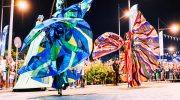
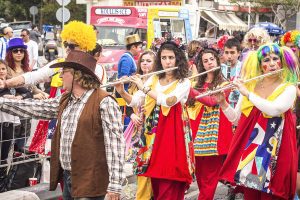
pokries represents the Cypriot version of carnival, celebrated in the weeks leading up to Orthodox Lent. The name derives from the Greek words apochi and kreas, meaning abstinence and meat, marking the final period when meat consumption is permitted before the 40-day fasting period. land-cy This tradition combines ancient pagan festivals honoring Dionysus with Christian calendar observances, creating a uniquely Cypriot celebration focused on feasting, costumed revelry, and satirical humor. While Limassol hosts the island's largest organized carnival, Apokries customs persist across Cyprus in villages and towns through family gatherings, traditional games, masked performances, and community meals. The festival serves multiple purposes, providing a release valve for social tensions through humor, strengthening community bonds through shared celebration, and preparing participants…

Read more
Cypriot Festivals Traditions

Cypriot Festivals Traditions

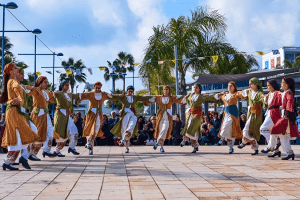
Across Cyprus, tradition does not survive in museums alone. It lives in streets closed for parades, village squares filled with music, and festivals where children dance the same steps their grandparents once learned. From large urban celebrations in Limassol and Nicosia to small rural gatherings in the Troodos Mountains, festivals remain the island’s most effective way of passing folk culture from one generation to the next. horosho-tam.ru These events are not staged nostalgia. They are active systems of cultural transmission, where music, dance, costume, and storytelling are learned by participation rather than explanation. Why Festivals Matter More Than Performances A concert can be watched. A festival must be joined. Cypriot festivals work because they blur the line between performer and…

Read more
Halloumi and Festival Foods of Cyprus

Halloumi and Festival Foods of Cyprus

Cyprus is a culinary treasure trove where traditional flavors meet modern tastes, and nowhere is this more evident than in its cheese and festival foods. Halloumi, the island’s most famous export, embodies the island’s culture, history, and social life. Beyond its grillable texture and unique flavor, halloumi represents centuries of agricultural tradition, village cooperatives, and community heritage. In-Cyprus Cyprus’s festival foods, from grape harvest sweets to carnival pastries, highlight seasonal cycles, religious celebrations, and communal joy. For locals and visitors alike, tasting halloumi with a slice of watermelon, sampling fresh loukoumades, or savoring grape must treats is a journey into the island’s heart. These foods are not just meals, they are symbols of hospitality, identity, and Cypriot tradition. Halloumi -…

Read more
Kataklysmos Festival

Kataklysmos Festival

Kataklysmos, the Festival of the Flood, represents one of Cyprus's most distinctive cultural celebrations combining ancient pagan rituals with Orthodox Christian observance. The festival occurs 50 days after Easter, coinciding with Pentecost, when Orthodox Christians commemorate the descent of the Holy Spirit upon the apostles. sigmalive-com The name derives from the Greek word for flood, referencing both Noah's biblical deluge and ancient water ceremonies honoring Aphrodite and Apollo. Water plays the central role, with coastal towns hosting elaborate festivities where locals and visitors engage in water fights, attend cross-throwing ceremonies, and participate in swimming competitions. Larnaca holds the largest celebration, with events spanning six days along Foinikoudes promenade. The festival earned UNESCO recognition as part of Cyprus's Intangible Cultural Heritage,…

Read more
Street Arts Music Festivals

Street Arts Music Festivals

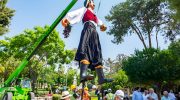
Cyprus is often described through its beaches and ancient monuments, but some of the island’s most revealing cultural moments happen in public streets, squares, and parks. Across cities and towns, music spills into old neighbourhoods, walls become canvases, and everyday spaces are temporarily reshaped by performance and visual art. Street arts and music festivals offer a direct way to experience modern Cypriot creativity as it is lived, shared, and shaped in real time. Rather than separating culture from daily life, these events place it exactly where people already are. When the City Itself Becomes the Venue What distinguishes Cyprus’s street arts and music festivals is not scale, but placement. Performances rarely stay confined to formal halls. Instead, they unfold across…

Read more