Crafts and Artisanship

Traditional Weaving in Cyprus

Traditional Weaving in Cyprus

Basket weaving dates from ancient times in Cyprus when baskets served a range of specific practical purposes from carrying agricultural produce to storing food. The practice of weaving was highly developed during Byzantine times and has been passed down through generations to the present day. mavink-com The Materials and Methods of Making Baskets Basket makers traditionally harvest materials from Cyprus's bountiful countryside. Water reeds, grasses, rushes, bamboo, terebinth branches, and stems from aquatic plants all serve as raw materials. The village of Akrotiri became particularly famous for its soft baskets woven from marsh reeds. Men and women in villages across the island would balance techniques and artistry to create beautiful baskets both for their own use and to earn a…

Read more
Architecture of Thread: Lace in Streets

Architecture of Thread: Lace in Streets

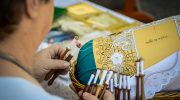
In a handful of European towns, lace is not confined to drawers or museums, but spills into streets, shopfronts, and daily routines, turning private handwork into public identity. From Pano Lefkara in Cyprus to Burano, Idrija, and Croatian lace centres, makers and local institutions keep the craft visible so it continues to shape how places look and how they remember themselves. This article traces how lace moved into urban space, what each town’s setting adds to the tradition, and why visibility is the key to lace surviving as living heritage. footontheroad-com When Lace Leaves the Home Lace has traditionally belonged to the domestic world. It was made indoors, often by women, and passed down quietly through generations. What makes certain…

Read more
Traditional Cypriot Baskets and Handwoven Village Crafts

Traditional Cypriot Baskets and Handwoven Village Crafts

Cyprus developed distinctive basket weaving and textile traditions that stretch back to ancient times. These crafts include water reed baskets from marshy regions, colorful Fythkiotika woven fabrics, and intricate Lefkaritika lace work. Each village specialized in particular techniques using locally available materials like reeds, cotton, and silk. trskinfo-ru The crafts served essential practical purposes in daily life while demonstrating artistic skill passed through generations. From storage vessels to dowry items, these handmade goods connected families to their heritage and provided economic livelihood in rural communities. Historical Background Basket weaving dates to Neolithic times, with techniques remaining essentially unchanged over millennia. Archaeological evidence shows woven items existed since the earliest settlements, with the craft spreading across all cultures worldwide. In Cyprus,…

Read more
Traditional Crafts of Cyprus – Weaving Pottery Wood

Traditional Crafts of Cyprus – Weaving Pottery Wood

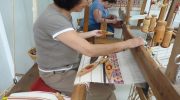
Traditional crafts in Cyprus represent centuries of accumulated artisan knowledge passed through family workshops from medieval times to the present. The island's strategic position between three continents created distinctive craft traditions blending Byzantine, Venetian, and Ottoman influences with indigenous Cypriot techniques. arti392-com Weaving, pottery, basketry, woodcarving, and metalwork sustained village economies when farming alone could not support families, with an old saying advising "learn a craft even if you don't need to and if you get hungry, practice it." The government-run Cyprus Handicraft Service, established in 1975, operates workshops in Nicosia that preserve these traditional skills through training programs, research, and marketing support. Several villages maintain craft specializations including Fyti for weaving, Kornos and Foini for pottery, Lefkara for lace…

Read more
Women Roles in Cyprus Rural Life

Women Roles in Cyprus Rural Life

Traditional women's roles in Cyprus rural life centered on agricultural work, textile production, food processing, household management, and child-rearing within extended family structures. Women participated heavily in field labor, with the rural female workforce comprising 51 percent of agricultural workers in the mid-20th century before shifting to urban occupations. vkcyprus-com Textile manufacturing represented a crucial economic activity, with British period censuses documenting thousands of Cypriot women earning income from weaving for local markets and export traders. The village of Lefkara became internationally famous for its intricate white embroidery called lefkaritiko, which brought more wealth to the village between 1900 and 1930 than reached most other Cypriot communities. Women's social lives occurred primarily within gender-separated spaces including courtyards, village fountains where…

Read more
Cyprus Clay Pots Ceramics

Cyprus Clay Pots Ceramics

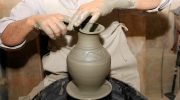
Cyprus has been shaping clay into beautiful vessels for over 7,000 years. The pottery tradition on this Mediterranean island represents one of the longest continuous craft practices in human history. cycladic.gr From ancient times to modern workshops, Cypriot ceramics tell a story of skilled hands, local materials, and cultural exchange. The distinctive red clay pots, elegant jugs, and decorative vessels created here have become symbols of the island's creative spirit and its role as a crossroads between civilizations. Historical Context The ceramic story in Cyprus begins during the Neolithic period around 4400 BCE, when early settlers started working with the island's abundant clay deposits. These first potters created simple vessels with red and white decorations that were surprisingly uniform across…

Read more
Phyti Weaving Tradition

Phyti Weaving Tradition

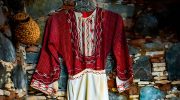
Phyti Weaving Tradition is a distinctive Cypriot craft originating from the village of Phyti, involving highly symbolic woven textiles characterized by bright colors and ritual motifs, originally created for dowries and ceremonial purposes. This handmade art form uses intricate patterns on cotton or linen fabrics to convey themes of protection, fertility, and harmony, passed down through generations of female artisans. Recognized as part of Cyprus's intangible cultural heritage, it embodies the island's blend of ancient symbolism and practical beauty, preserving a legacy of women's creativity in rural life. vkcyprus-com A Timeless Craft of Color and Symbol Phyti weaving stands as a vibrant expression of Cypriot textile heritage, where artisans produce fabrics adorned with geometric designs and bold hues that hold…

Read more
Traditional Shoemaking and Village Footwear

Traditional Shoemaking and Village Footwear

Traditional Shoemaking (Tsamika & Village Footwear) in Cyprus involves handmade leather footwear designed for agricultural and pastoral life, reflecting craftsmanship shaped by the island's environment. Tsamika, a type of sturdy boot, and other village shoes use local materials like goat hide for durability, with simple stitches and soles suited to rocky terrain. This tradition preserves ancient skills, where functionality meets cultural symbolism, offering a glimpse into how rural Cypriots adapted to their landscape through practical art. korali-homemade-com A Timeless Craft of Leather and Land Traditional shoemaking in Cyprus embodies a practical artistry where leather is shaped into footwear that supports the demands of farming and herding. Tsamika boots, with their high ankles and thick soles, and village shoes like low-cut…

Read more
Lefkara Lace (Lefkaritika)

Lefkara Lace (Lefkaritika)

Lefkara Lace (Lefkaritika) is a world-renowned handmade lace tradition from Cyprus, distinguished by its geometric precision, white-on-white stitching, and centuries-old transmission through female artisans. Originating in the village of Lefkara, this craft blends intricate patterns that symbolize nature and life, creating delicate textiles prized for their elegance and cultural depth. Recognized by UNESCO as intangible cultural heritage in 2009, it represents Cyprus's enduring artisanal legacy, where women's hands have woven history into fabric for generations. unesco-org A Timeless Craft of Elegance and Skill Lefkara lace, known locally as Lefkaritika, embodies the island's rich textile heritage, a form of needlework where fine linen threads are drawn and stitched into intricate designs that appear almost ethereal against a white background. Produced exclusively…

Read more