Traditions and Celebrations

Cyprus Identity Heritage Culture

Cyprus Identity Heritage Culture

Cypriot identity is often anchored less in present residence than in a remembered origin, usually a village, a landscape, or a family plot tied to names and stories. Land and place act as evidence of continuity, and after 1974, displacement intensified this logic by turning home into something carried through memory, ritual, and return visits rather than daily access. This article explains how villages, language, minority community anchors, family houses, and diaspora ties keep belonging active across the island and beyond. kiprinform-com Land as Memory, Not Just Ground The connection between Cypriots and land stretches back thousands of years. Early communities depended on shared soil for survival, and this dependence shaped how people understood themselves in relation to their surroundings.…

Read more
St Basil Day Cyprus

St Basil Day Cyprus

Saint Basil Day on January 1 serves as Cyprus's primary gift-giving occasion rather than Christmas Day, honoring the fourth-century bishop known for his charity and liturgical contributions to Orthodox Christianity. Cypriots call the celebration Protochronia, meaning first day of the year, combining religious observance with New Year festivities. asceticlifeofmotherhood-com The centerpiece tradition involves cutting vasilopita, a special cake containing a hidden coin that brings good luck to whoever finds it in their slice. Families gather at midnight on New Year's Eve or the morning of January 1 to perform the ceremonial cake cutting, with slices allocated to Christ, Saint Basil, the house, absent family members, and each person present. The day also features the renewal of waters ritual, where all…

Read more
The Living Pulse of Cyprus

The Living Pulse of Cyprus

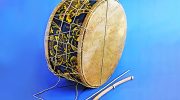
Traditional percussion in Cyprus is not decoration. It is structured. Long before written music or formal performance spaces, rhythm organised ritual, movement, and social life on the island. From village squares to wedding processions, the drum provided a shared pulse that told people when to gather, how to move, and when a moment mattered. Cypriot percussion did not evolve to impress an audience. It evolved to hold a community together. teriremproject-org Why Rhythm Comes First in Cypriot Music Cyprus sits at a cultural crossroads between the Eastern Mediterranean, Anatolia, and the Levant. Melodies travelled easily across these regions, but rhythm was what anchored them locally. Percussion gave Cypriot music its internal order, allowing dances, songs, and rituals to remain recognisable…

Read more
Cyprus Traditional Dance Competitions

Cyprus Traditional Dance Competitions

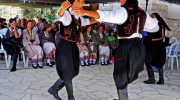
Traditional dance competitions in Cyprus are not performances staged for spectacle alone. They are structured moments where history, regional identity, and communal memory are actively tested and refined. Across village squares, coastal towns, and formal festival stages, dancers are judged not only on technique but on how faithfully they carry movements shaped by centuries of Cypriot life. What emerges is not nostalgia, but discipline. Not a postcard version of tradition, but a living standard that Cyprus expects its dancers to meet. More Than Dance: Why Competition Matters in Cyprus In Cyprus, dance has never been separate from daily life. For generations, it accompanied weddings, harvests, religious festivals, and seasonal gatherings. Competition emerged naturally from this environment, not as rivalry for…

Read more
Epiphany Water Blessings Cyprus

Epiphany Water Blessings Cyprus

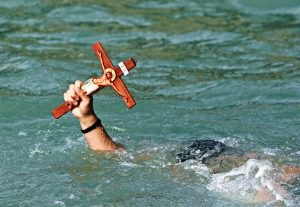
Epiphany in Cyprus marks the conclusion of the 12-day Christmas period on January 6, commemorating Christ's baptism in the Jordan River by John the Baptist. Known as Theophania or Ta Fota meaning Feast of Lights, the celebration centers on water blessing ceremonies that purify homes, drive away evil spirits, and renew communities for the coming year. dom-com The most dramatic ritual involves priests throwing a wooden cross into the sea, rivers, or lakes while brave swimmers dive into cold winter waters to retrieve it. The person who successfully recovers the cross receives blessings and good fortune for the entire year ahead. Beyond the cross diving spectacle, Epiphany includes church services, home blessings, distribution of holy water, children's caroling, and traditional…

Read more
Easter Traditions in Cyprus

Easter Traditions in Cyprus

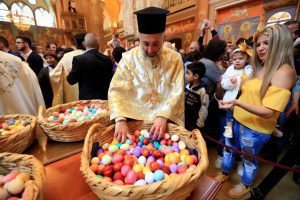
Easter represents the most important religious celebration in Cyprus, surpassing Christmas in spiritual significance and cultural observance. Known as Pascha in Greek, the Orthodox Easter follows the Julian calendar, often falling weeks after Western Easter. The celebration spans Holy Week with solemn church services, candlelit processions through village streets, and the midnight Resurrection liturgy when bells ring and fireworks light the sky. facebook.com Families gather for elaborate feasts featuring roasted lamb, traditional flaounes cheese pastries, and red-dyed eggs. The festivities blend Byzantine religious ritual with distinctly Cypriot customs like bonfire lighting and the tsougrisma egg-cracking game. For both devout believers and secular Cypriots, Easter functions as the primary family reunion occasion and cultural identity marker, bringing together generations to maintain…

Read more
Christmas And New Year Traditions

Christmas And New Year Traditions

Christmas and New Year celebrations in Cyprus blend Orthodox Christian devotion with ancient folklore and Mediterranean hospitality. The festivities span from December 25 through January 6, creating a 12-day period known as the Dodekaimera or Twelve Days of Christmas. Unlike Western traditions, Cypriots exchange gifts on New Year's Day rather than Christmas, honoring Saint Basil instead of Santa Claus. The celebrations feature midnight church services, children singing Byzantine-era carols called Kalanda, elaborate family feasts with roasted meats and special sweets, and folk beliefs about mischievous goblins called Kalikantzari. The period concludes with Epiphany water blessing ceremonies that purify homes and drive away evil spirits. These traditions maintain cultural continuity across generations while bringing families together during winter's darkest days. The…

Read more
Greek Independence Day Cyprus

Greek Independence Day Cyprus

March 25 stands as a major public holiday in Cyprus, commemorating Greek Independence Day alongside the religious Feast of the Annunciation. The day celebrates the beginning of the Greek War of Independence in 1821 when Greeks rose against nearly 400 years of Ottoman rule. cyprusmail-com For Cyprus, this holiday holds special significance beyond historical solidarity, representing the deep cultural, linguistic, and religious bonds between Greek Cypriots and mainland Greece. The celebration is particularly important for Greek Cypriots, who see parallels between Greece's struggle for freedom and their own fight for independence from British rule that succeeded in 1960. The Historical Background of the Revolution Greece had been under Ottoman control since the mid-15th century when Constantinople fell in 1453. For…

Read more