Oral tradition in Cyprus represents the ancient practice of passing knowledge, history, and cultural values through spoken words rather than written records. This method of communication shaped Cypriot society for thousands of years, preserving stories, customs, and wisdom from generation to generation. The island’s oral heritage includes folk songs, legends about Byzantine warriors, myths featuring gods and heroes, and improvised poetry competitions that continue today.
Cyprus developed its oral traditions through centuries of cultural exchange, influenced by Greek, Byzantine, Ottoman, and other Mediterranean civilizations. These spoken narratives served multiple purposes in village life, from entertaining communities during festivals to teaching moral lessons to children. Unlike written texts that remained fixed, oral stories adapted to each telling, allowing narrators to emphasize different themes based on their audience and circumstances.
Ancient Roots of Spoken Stories
The tradition of oral storytelling in Cyprus traces back to ancient Greek practices brought to the island in the second millennium BCE. Early Cypriot communities relied on spoken word to preserve their history, religious beliefs, and cultural knowledge before widespread literacy existed. Professional storytellers called rhapsodes traveled between villages, reciting epic poems and heroic tales that kept historical memory alive.
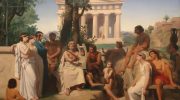
Cyprus shared the broader Greek oral tradition that produced works like the Iliad and Odyssey, which were composed, performed, and transmitted orally for generations. Local storytellers adapted these narratives to include Cypriot characters and locations, making distant legends feel personal to island audiences. Byzantine rule from the 4th to 12th centuries introduced new oral traditions, particularly folk songs about frontier warriors called akritai who defended the empire’s borders.
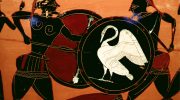
These akritic songs preserved memories of military campaigns and heroic deeds through melodic verses that made them easier to remember and transmit. Medieval Cyprus developed its own versions of these songs, incorporating historical events from the Lusignan Crusader period and Ottoman conflicts. The oral tradition remained strong even as literacy increased, with communities maintaining both written records and spoken narratives that complemented each other.
The Living Art of Tsiattista Poetry
Cyprus possesses a unique form of oral poetry called tsiattista, which UNESCO recognized as Intangible Cultural Heritage of Humanity in 2011. This improvised poetic dueling involves two poets competing in rhyming couplets, typically using the iambic fifteen-syllable verse form. The tradition emerged between the 18th and 19th centuries, evolving from earlier rhyming verse traditions introduced to the Greek-speaking world centuries before.

Tsiattista performances occur at weddings, village festivals, and the annual Kataklysmos celebration during Pentecost in Larnaca. Two tsiattistaes, as the poet-singers are called, stand before an audience while musicians accompany them on violin and lute. Each poet must create witty, clever verses on the spot, responding to their opponent within strict time constraints while maintaining proper meter and rhyme.
Legendary Heroes and Mythical Creatures
Cypriot oral tradition preserves numerous legends featuring supernatural beings and heroic figures. The most famous mythological character remains Aphrodite, goddess of love and beauty, who legend says emerged from sea foam near Petra tou Romiou rock in Paphos. Stories about Aphrodite and her lover Adonis connect deeply to specific Cypriot locations, including the Baths of Adonis where the couple supposedly met.
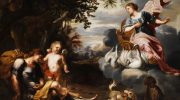
Another central figure is Digenis Akritas, a Byzantine warrior hero whose legendary strength allowed him to grip the peak of Pentadaktylos Mountain before leaping to Asia Minor in pursuit of raiders. Folk songs describe Digenis wrestling with Charos, the personification of death, embodying themes of courage and resistance against invaders. These akritic ballads served both as entertainment and as vehicles for transmitting historical memory about frontier defense.

The Kallikantzaroi, mischievous goblins said to emerge during the Christmas season, appear in many Cypriot folktales. Stories about these creatures conveyed cultural values like hospitality and community cohesion while entertaining listeners during long winter nights. Local legends also feature giants, fairies, spirits, and mythical beasts connected to specific geographical features throughout the island.
Family Stories and Intergenerational Memory
Oral tradition in Cyprus extends beyond public performances to include intimate family storytelling that preserves personal and community histories. Grandparents recount memories of village life, historical events, and family experiences to younger generations through informal conversations at dinner tables and during family gatherings. These intergenerational narratives transmit not just facts but emotions, attitudes, and ways of understanding the past.
Families share origin stories of dishes, cooking techniques, and food-related customs through oral tradition, preserving culinary heritage alongside recipes. Parents and grandparents teach children about agricultural practices, traditional crafts, and local customs through demonstration and spoken instruction rather than written manuals. This knowledge transmission ensures continuity between generations while allowing each generation to adapt traditions to contemporary circumstances.
Traditional Music and Dance as Oral Heritage
Folk songs in Cyprus function as oral archives, preserving historical memories, moral teachings, and cultural values through melodic verses. Traditional instruments like the lute, violin, and laouto accompany these songs, with musical patterns aiding memorization. Folk music traditions relate closely to the musical styles of the Aegean Islands, particularly the Dodecanese, while incorporating unique Cypriot characteristics.

Performers of Greek Cypriot folk music maintain repertoires learned entirely through oral transmission from older musicians. Songs express themes ranging from love and mourning to satire and historical commemoration. The music accompanies traditional dances like sousta, syrtos, and kartsilamas, with both song and dance teaching cultural patterns and social behaviors through participation rather than written instruction.

Contemporary groups like Monsieur Doumani from Nicosia work to preserve traditional Cypriot music while creating new arrangements. They rework folk songs collected through oral tradition, adding modern elements while maintaining cultural authenticity. This approach demonstrates how oral traditions remain living practices that evolve while preserving core cultural elements.
Experiencing Cypriot Oral Traditions
Visitors to Cyprus can encounter oral traditions at various cultural events throughout the year. The Kataklysmos festival in Larnaca during Pentecost features the premier tsiattista competition where top poets battle before large audiences. Traditional villages host festivals celebrating local saints where folk songs and dances performed to live music demonstrate oral heritage in action.
Many Cypriot taverns, particularly in mountain villages, feature live traditional music on weekend evenings where patrons spontaneously join in songs and dances they learned through oral transmission. These informal gatherings offer authentic glimpses into how oral traditions function in daily social life. Visitors willing to engage with locals often hear personal stories and family legends that have passed through generations.

Cultural centers and museums occasionally organize storytelling events where elder community members share traditional tales. The Lefkara village, famous for its lace-making tradition, demonstrates how craft knowledge transmits orally from master to apprentice. Observing these interactions reveals the pedagogical dimensions of oral tradition beyond mere entertainment.
The Essential Role of Oral Heritage Today
The oral traditions of Cyprus represent irreplaceable cultural wealth connecting modern Cypriots to their ancestors and defining collective identity. These spoken narratives, songs, and performances preserve knowledge that written records cannot fully capture, including emotional tones, dialectical nuances, and the interactive dynamics between teller and listener. They embody centuries of accumulated wisdom about social relationships, moral values, and cultural practices.
Oral traditions demonstrate remarkable adaptability while maintaining continuity. Each generation reinterprets inherited stories to address contemporary concerns while preserving core meanings and structures. This flexibility allows ancient traditions to remain relevant rather than becoming museum pieces. The tsiattista poets who perform today maintain connections to verse forms developed centuries ago while creating verses that comment on modern Cypriot society.
These traditions foster community cohesion by providing shared cultural references and participatory experiences that unite people across age groups. When families gather to hear elders’ stories or communities attend tsiattista competitions, they reinforce social bonds and collective identity. The oral transmission process itself, requiring direct human interaction, strengthens intergenerational relationships that might otherwise weaken in modern society.
As Cyprus continues modernizing, preserving oral traditions becomes increasingly important for maintaining cultural distinctiveness. These living practices connect Cypriots to their historical roots while providing frameworks for understanding present challenges. The stories, songs, and spoken wisdom passed down through generations remain vital resources for navigating contemporary life while honoring the accumulated knowledge of ancestors who shaped the island’s unique cultural character.