Cyprus Folk Instruments Tradition

Cyprus Folk Instruments Tradition

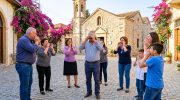
Cypriot folk music is not built around concerts or recordings. It is built around people standing face to face, marking time together, and using sound to guide moments that matter. At the centre of this tradition are two instruments, the viola and the laouto, whose partnership has shaped weddings, village festivals, and communal gatherings for centuries. More than musical tools, they function as social anchors, carrying memory, rhythm, and identity across generations. en-wikipedia-org Understanding these instruments means understanding how music in Cyprus has always been lived, not simply performed. A Musical Language Shaped by Place Cyprus sits at a cultural crossroads, and its traditional music reflects this position clearly. The island absorbed Byzantine chant, Eastern Mediterranean modal systems, and later…

Read more
Traditional Cypriot Coffee Fortune Telling

Traditional Cypriot Coffee Fortune Telling

Coffee fortune telling, known as kafemanteia in Greek, represents one of Cyprus's most enduring folk traditions, blending social ritual with mystical practice. After drinking a coarsely ground coffee such as Cypriot coffee, a skilled reader interprets the shapes formed by the coffee grounds left in the cup, which indicate the fortune of the drinker. gastronom-ru The Ottomans brought this form of divination to Cyprus alongside coffee itself after conquering the island in 1571. Over centuries, tasseography became deeply woven into Cypriot culture, practiced in homes, traditional coffee shops, and family gatherings as entertainment, spiritual guidance, and a way to address life's uncertainties through symbolic interpretation. The Ottoman Roots of Cyprus Coffee Culture Coffee drinking arrived in Cyprus during Ottoman rule…

Read more
Why the Olive Tree Represents Peace in Cyprus

Why the Olive Tree Represents Peace in Cyprus

The olive branch appears on the flag of Cyprus and coat of arms of Cyprus, both using olive branches as symbols of peace between the communities of the country. The two crossed green olive branches on the national flag signify the hope for peace and reconciliation between the Greek and Turkish communities residing on the island. abmagazine-accaglobal-com These universal symbols of harmony are fundamental to the aspirations of the Republic of Cyprus, deliberately chosen when the island gained independence in 1960 to unite ethnic and cultural groups without favoring Greek Orthodox crosses or Turkish crescents. Athena's Gift to Athens The olive tree as a peace symbol traces its roots to Greek mythology. According to legend, Athena and Poseidon once argued…

Read more
Traditional Cypriot Dances Spoke Without Words

Traditional Cypriot Dances Spoke Without Words

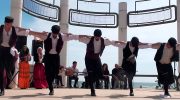
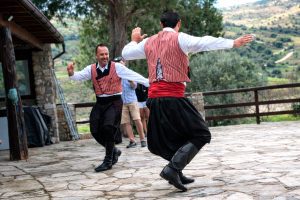
Long before dating, private meetings, or casual conversation between young men and women were socially acceptable, Cyprus had another system. It happened in village squares (Omodos Village Square), at weddings, and during festivals. It used rhythm instead of language and movement instead of promises. Through paired dances such as the Sousta and Antikristos, Cypriot communities created a public, structured way for courtship to unfold, allowing interest, character, and respect to be displayed openly while remaining within strict social boundaries. These dances were never casual entertainment. They were carefully coded social encounters, understood by everyone watching. Face to Face, but Never Too Close At the heart of Cypriot courtship dancing is a simple idea: two people facing one another. The Antikristos,…

Read more