All Articles

Cyprus Narrative Wall Paintings

Cyprus Narrative Wall Paintings

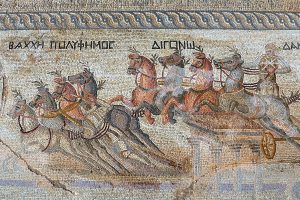
Narrative Storytelling Through Sequential Imagery in Cypriot Art involved the use of connected visual elements to convey myths, rituals, or sacred events within limited spaces such as walls or floors. This technique transformed individual scenes into cohesive narratives, engaging viewers with tales of deities, heroes, and everyday experiences without relying on text. Comparable to early forms of sequential illustration, it encouraged exploration of deeper layers through progressive imagery. A Method for Conveying Complex Narratives in Compact Forms Cypriot art employed sequential imagery to construct dynamic stories despite spatial constraints. Rather than isolated depictions, series of linked scenes unfolded myths, such as divine births from the sea, or rituals celebrating fertility and harvests. This approach allowed intricate concepts to fit into…

Read more
Cyprus Mythological Locations

Cyprus Mythological Locations

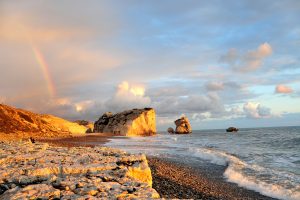
Cyprus isn't just an island of beaches and ancient ruins - it's the legendary birthplace of Aphrodite, the goddess of love and beauty. For thousands of years, pilgrims, poets, and lovers have traveled here seeking the divine magic said to linger in its shores, and the myths born on this island have shaped Western culture in ways that still resonate today. An Island Steeped in Divine Legend Cyprus holds a unique place in Greek mythology as the earthly home of Aphrodite. According to legend, the goddess emerged from the sea foam near Cyprus's shores, making the island sacred ground. The connection runs so deep that Aphrodite herself was often called "Kypria" - the Cyprian goddess - a title that linked…

Read more
Tamassos Mythical Ancestors

Tamassos Mythical Ancestors

In ancient Cyprus, the mythical heroic ancestors of Tamassos were revered as semi-divine founders and protectors, linking the city's copper-rich lands to gods like Aphrodite and epic Greek heroes. These figures, from local legends to Trojan War descendants, explained the kingdom's prosperity and sacred status, blending human resilience with divine favor. Their stories turned hills and mines into living tales, inviting us to explore how myths rooted a community in its rugged inland home. A Kingdom Forged in Myth and Metal Nestled in Cyprus's central plains, Tamassos wasn't a coastal powerhouse like Salamis or Paphos - it was an inland gem, thriving on fertile soils and the island's legendary copper veins. Picture rolling hills dotted with olive groves and springs,…

Read more
Museum of the National Struggle Nicosia

Museum of the National Struggle Nicosia

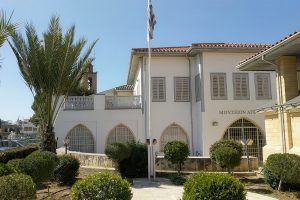
The Museum of National Struggle opened in 1961, just two years after the end of the liberation struggle. Former EOKA fighter Christodoulos Papachrysostomou founded the institution following a decision by the Greek Communal Chamber on January 26, 1961. The decision was published in the official newspaper of the Republic on February 23 of the same year. The museum's establishment aimed to spread awareness of the freedom fight, honor fallen fighters, preserve memories for future generations, and collect materials for historical documentation. The museum initially operated from different premises before moving to its current purpose-built facility near the Holy Archbishopric of Cyprus in central Nicosia. The new building was inaugurated on April 30, 2001, with funding provided by the Holy Archbishopric…

Read more
Stavrovouni Sacred Mountain Cyprus

Stavrovouni Sacred Mountain Cyprus

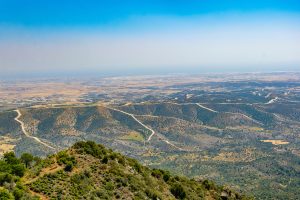
Rising 689 meters above the Mesaoria plain, Mount Stavrovouni has been a sacred site for over 2,000 years. The name derives from two Greek words: stavros (cross) and vouno (mountain), literally meaning "Mountain of the Cross." The monastery follows the strict ascetic rule of Saint Basil and maintains traditions similar to those of Mount Athos in Greece. The site is recognized as the earliest documented monastery in Cyprus. The oldest written reference appears in Byzantine records from the 4th century and confirms its establishment as a major religious center. A Russian monk named Abbot Daniel visited in 1106 and left detailed accounts of the monastery and its sacred artifacts in his travel memoirs. The monastery operates as a working religious community…

Read more
Cyprus Material Symbolism Traditions

Cyprus Material Symbolism Traditions

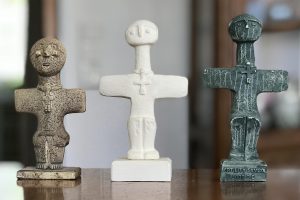
Material Symbolism (Stone, Bronze, Gold, Glass) in ancient Cypriot art reflected deliberate choices where each substance carried layers of spiritual, social, and economic significance. Stone embodied enduring strength drawn from the island's landscape, bronze represented transformation and resilience, gold signified divine favor and elite status, and glass evoked wonder through its luminous qualities. This intentional selection transformed artifacts into carriers of meaning, highlighting how materials conveyed broader cultural values in a society shaped by trade, ritual, and belief. Materials as Carriers of Cultural Meaning Ancient Cypriot art utilized materials not merely for their practical properties but as elements infused with symbolism. Stone, bronze, gold, and glass each evoked specific associations, drawn from the island's natural resources and imported influences. Stone's…

Read more
Lefkara Lace Village

Lefkara Lace Village

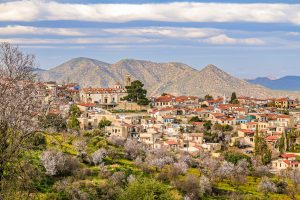
Lefkara is a traditional village in southeastern Cyprus known for its long history of fine lace-making and skilled silversmithing. Located on the southern slopes of the Troodos Mountains, the village combines centuries-old crafts with well-preserved stone buildings. Visitors come from around the world to see the traditional crafts, explore historic houses, and learn about the village’s role in Cypriot culture. Lefkara consists of two connected settlements called Pano Lefkara (Upper Lefkara) and Kato Lefkara (Lower Lefkara). The name Lefkara comes from Greek words meaning “white mountains,” referring to the light limestone used in local buildings and the surrounding landscape. The village sits about 650 metres above sea level and features narrow cobbled streets, stone houses, and historic buildings that show…

Read more
Maa-Palaiokastro

Maa-Palaiokastro

Maa-Palaiokastro is an important site in Cyprus’s history. This Late Bronze Age settlement on the western coast near modern Paphos shows the arrival of Mycenaean Greeks to the island around 1200 BC. Built on a small peninsula and surrounded by strong walls, the site shows how Greek culture began to influence Cyprus during a period of major changes across the eastern Mediterranean. The name "Palaiokastro" means "old castle" in Greek, referring to the large fortification walls that were still visible long after people left the settlement. The site includes the ruins of a small but strategically important community from the late 13th to mid-12th century BC, along with an underground museum built in 1996. The settlement sits on a promontory…

Read more
Cyprus Fishing Village Communities

Cyprus Fishing Village Communities

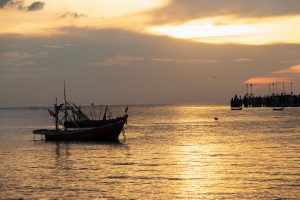
Along the Cypriot coast, fishing was never simply a job carried out at sea and forgotten once boats returned to shore. It was a shared way of life that shaped villages, relationships, and daily rhythm. In small coastal communities, fishing organised how people worked, ate, celebrated, and supported one another. Boats and nets mattered, but cooperation mattered more. Understanding Cyprus’s fishing villages means looking beyond catches and techniques to the social systems that grew around them and quietly endured. Villages Built Around Shared Work Community-based fishing villages developed where fishing was not an individual pursuit but a collective responsibility. Boats were small, crews were familiar, and labour depended on trust rather than contracts. Knowledge, tools, and effort were shared because…

Read more