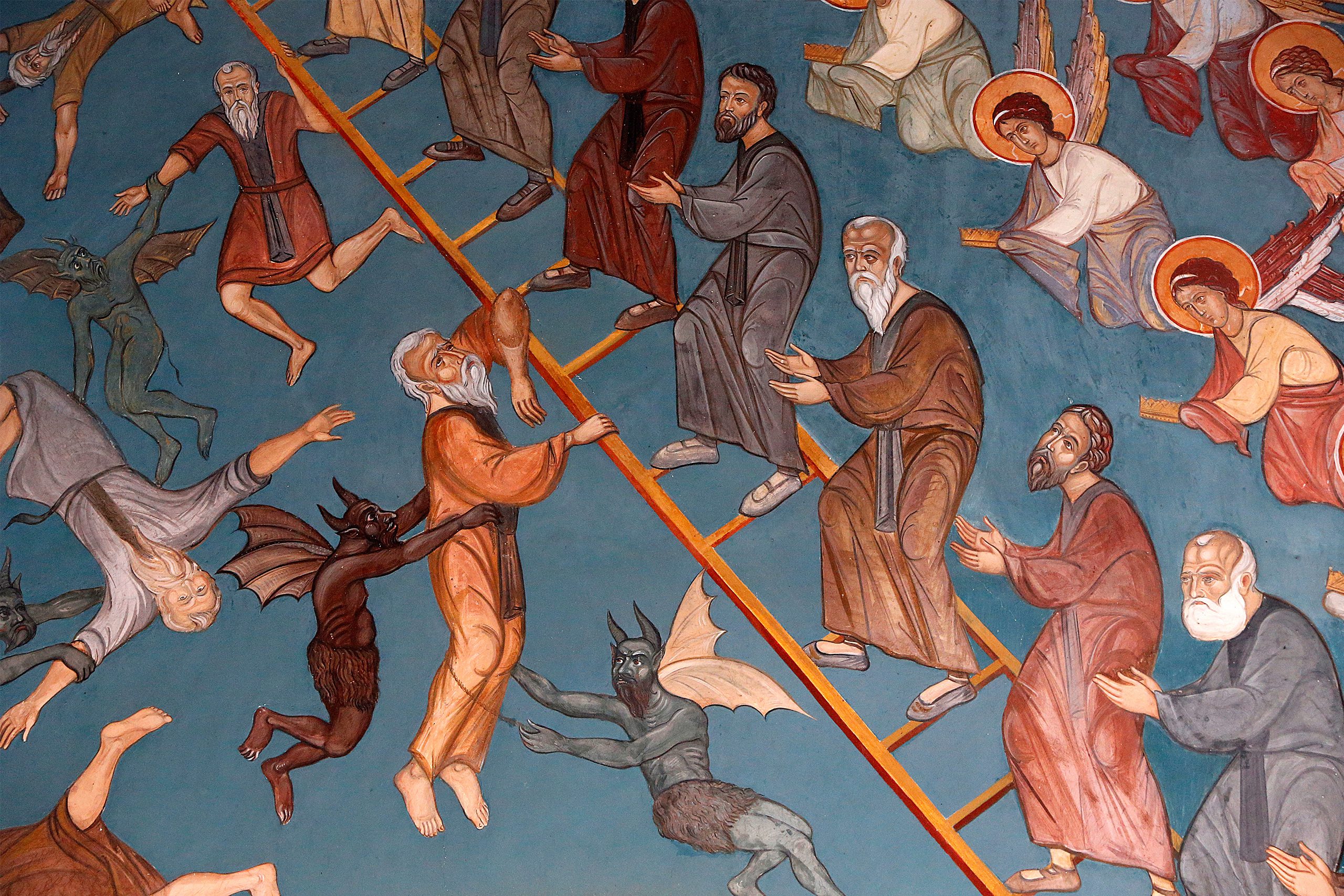
Narrative Storytelling Through Sequential Imagery in Cypriot Art involved the use of connected visual elements to convey myths, rituals, or sacred events within limited spaces such as walls or floors. This technique transformed individual scenes into cohesive narratives, engaging viewers with tales of deities, heroes, and everyday experiences without relying on text. Comparable to early forms of sequential illustration, it encouraged exploration of deeper layers through progressive imagery.
A Method for Conveying Complex Narratives in Compact Forms
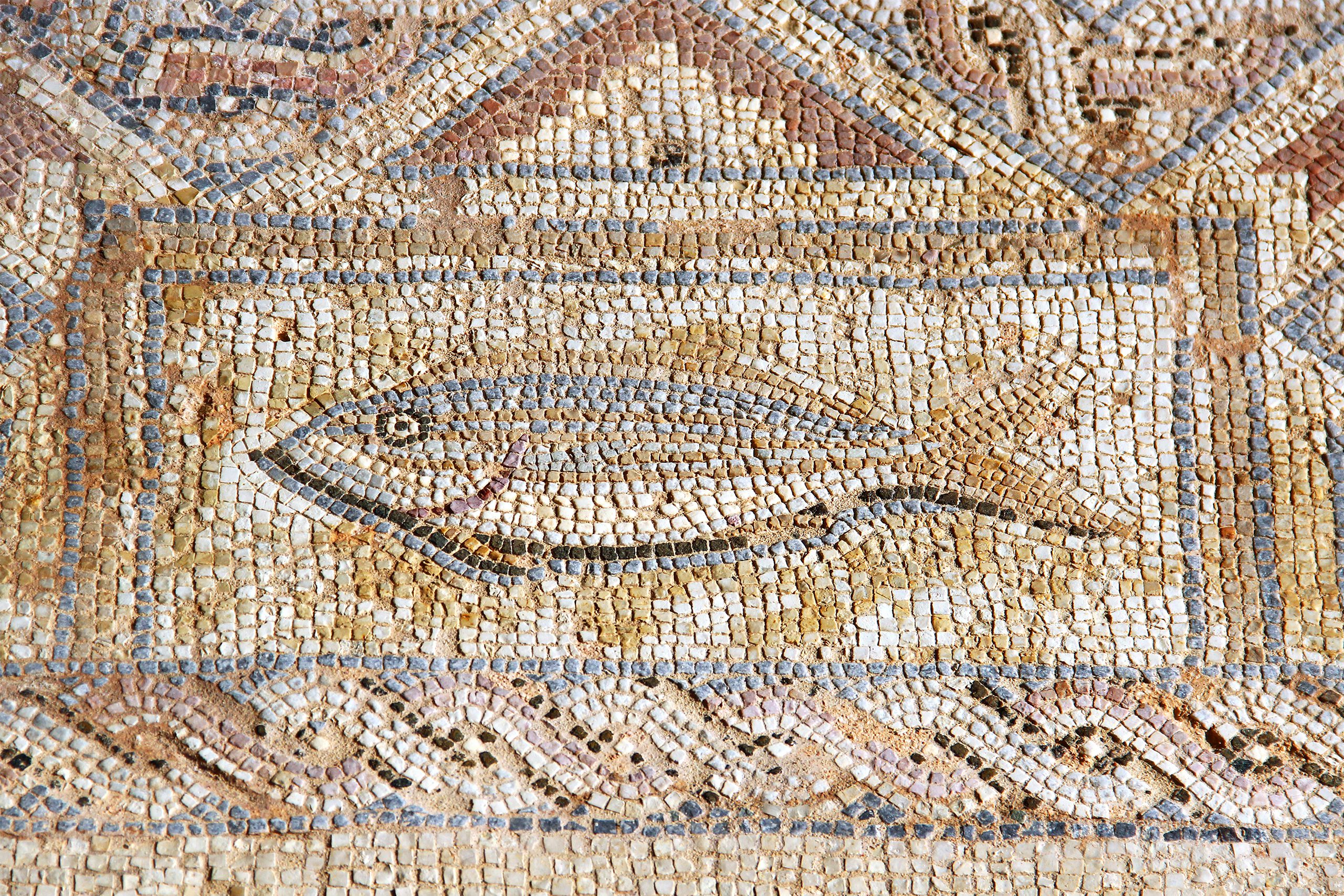
Cypriot art employed sequential imagery to construct dynamic stories despite spatial constraints. Rather than isolated depictions, series of linked scenes unfolded myths, such as divine births from the sea, or rituals celebrating fertility and harvests. This approach allowed intricate concepts to fit into confined areas, like domestic floors or vessel surfaces, fostering reflection on cultural and spiritual themes.
Origins on the Island
This narrative style emerged in the Bronze Age around 2000 BC, amid Cyprus’s role as a trade nexus incorporating elements from Greece, the Near East, and Egypt. Early pottery featured basic sequences illustrating hunts or dance rituals. The Iron Age after 1050 BC introduced Greek mythological influences, with friezes on temple walls depicting events like Aphrodite’s emergence in ordered panels. Roman periods from 58 BC advanced the form through elaborate mosaics in villas, where floors served as narrative canvases for legends. Despite damage from earthquakes and conflicts, archaeological discoveries illustrate how these sequences preserved and transmitted cultural knowledge across eras.
Imagery That Unfolds in Sequence
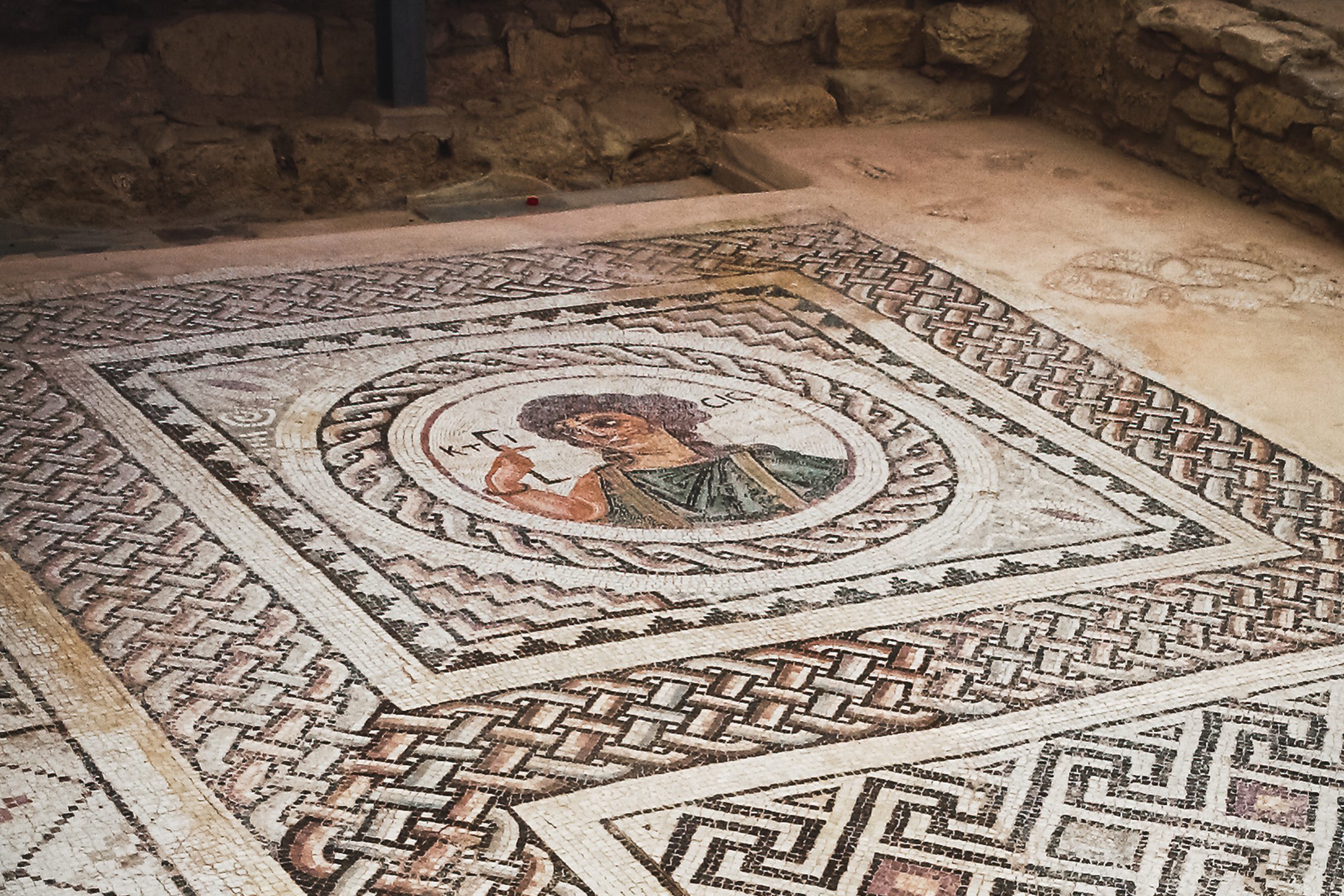
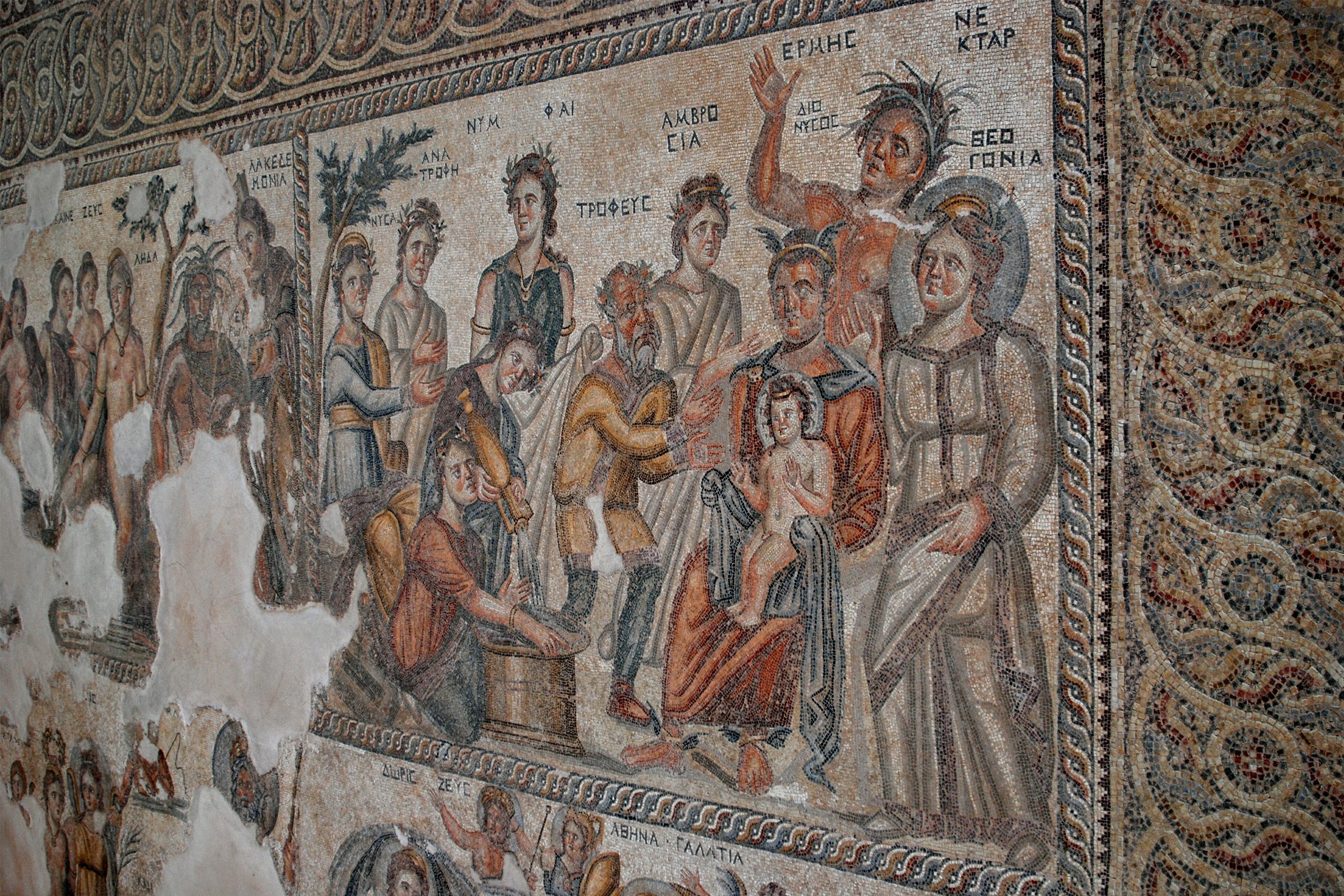
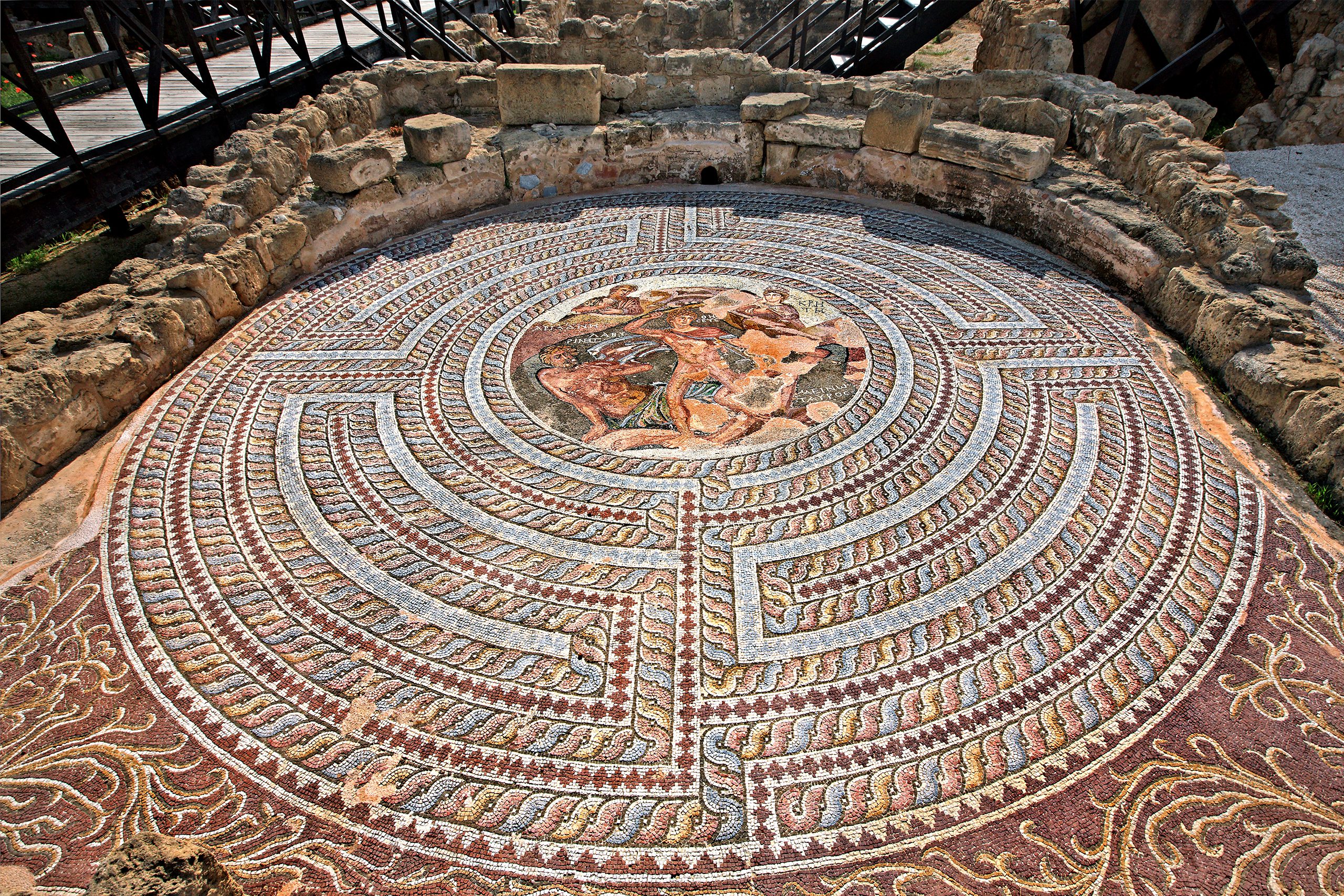
The technique’s effectiveness stems from its guidance of the viewer’s gaze through interconnected scenes. Roman mosaics in Paphos, such as those in the House of Aion, present myths across five panels: from divine judgments in beauty contests to the nurturing of infant Dionysus. Each segment connects fluidly, compressing extensive tales into a single floor space. Friezes on sarcophagi carved funeral rites or heroic quests around the edges, converting containers into narrative sequences. Smaller artifacts like seals or vessels displayed mini-progressions, with waves transitioning to a goddess’s appearance or hunters pursuing prey along curved forms. Lines, colors, and repetitions maintained momentum within restricted areas.
Notable Examples with Distinctive Features
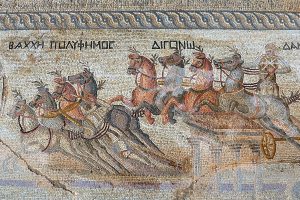
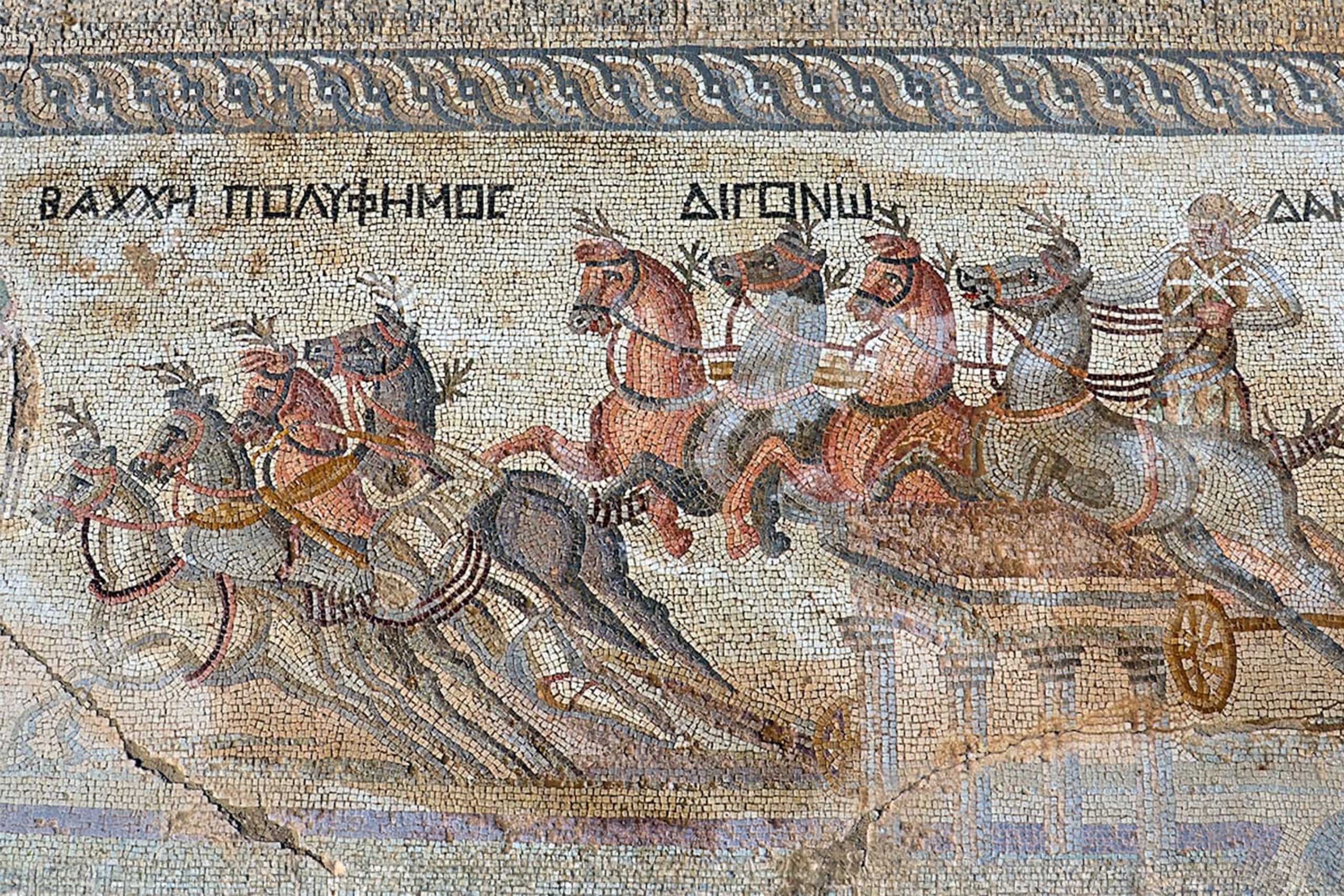
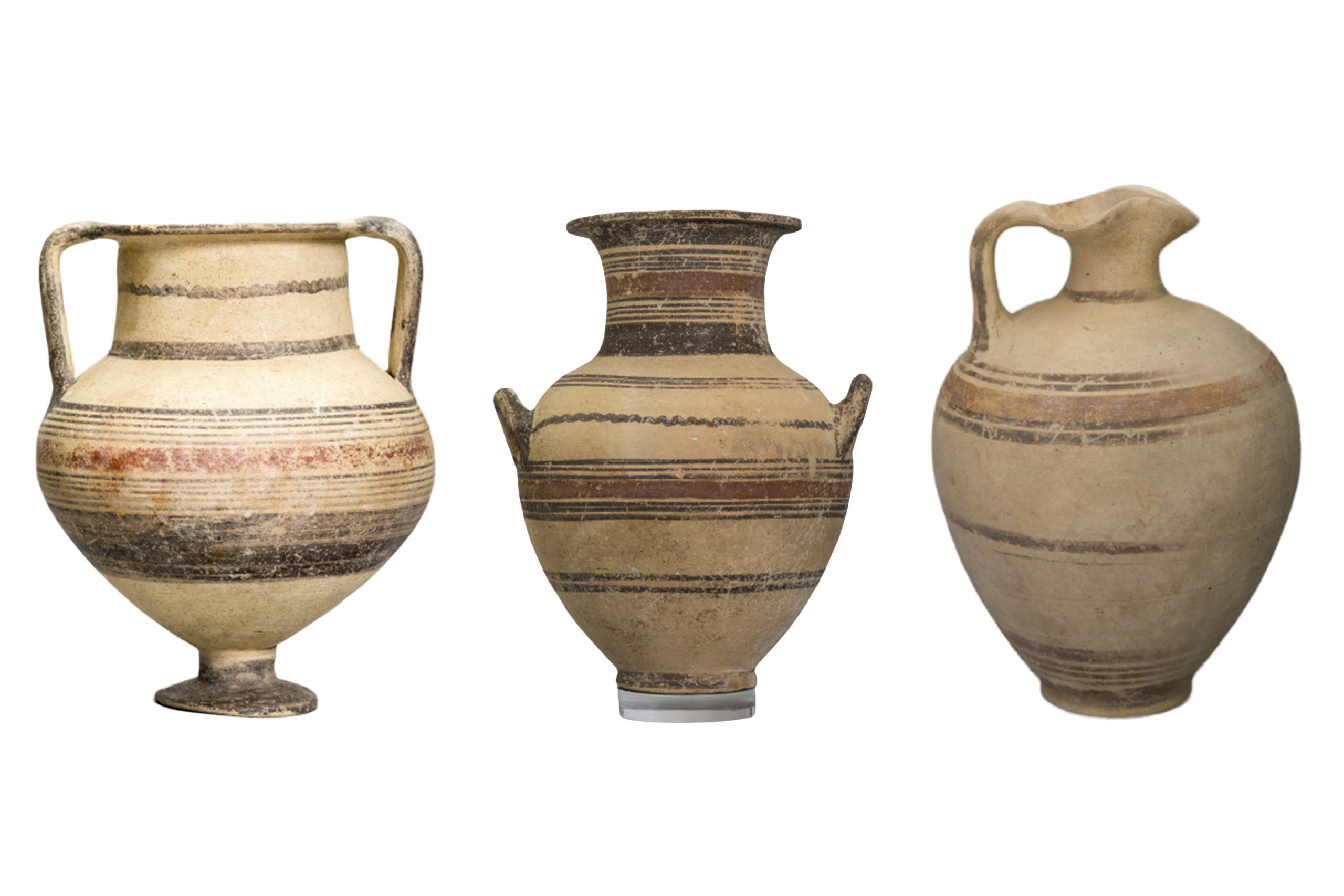
Certain discoveries highlight the approach’s ingenuity. A chariot race mosaic from Akaki, dated to the 3rd century AD, captures horses and drivers in motion, encircling the floor to replicate the event’s loops. The House of Theseus in Paphos contains a mosaic outlining the hero’s confrontation with the Minotaur, progressing from labyrinth navigation to combat within a unified composition. Bichrome vases from the 8th century BC feature dancers in ritual formations, with poses interconnecting around the vessel like continuous strips. Sarcophagi from Amathus depict souls advancing through gates under divine guidance, inscribed in encircling bands. These instances demonstrate the compression of dynamic content into bounded formats.
Cultural and Symbolic Implications
These sequences integrated Cyprus’s diverse influences. Eastern traditions contributed prominent animals and plants for fertility themes, while Greek elements introduced heroic actions. Temple friezes illustrated processions or offerings in stages, conveying ritual practices visually. Domestic mosaics intertwined myths with routine activities, such as harvest progressions leading to blessings, emphasizing natural cycles. The format accommodated multiple layers: an initial wave might initiate a creation myth, evolving into a mountain ceremony, symbolizing existence’s progression. Rulers employed narrative art on walls to affirm divine endorsements, expanding confined interiors into accounts of sovereignty.
Contemporary Resonance in Cyprus
Sequential imagery from antiquity continues to influence Cypriot artistic and cultural expressions. Street murals in Nicosia incorporate ancient narrative flows into modern themes, such as journeys toward reconciliation across divisions. Festivals reenact myths through dances and props arranged in progressive stages, maintaining the tradition’s communicative essence. In a digital age of brief videos and graphic novels, this style aligns with contemporary storytelling, as artists adapt it for illustrated books on island folklore. Preservation initiatives at UNESCO sites emphasize mosaics as “stone narratives,” educating younger generations on heritage through visual sequences. Amid environmental and social shifts, this approach underscores Cyprus’s adaptive creativity, where historical methods inform current efforts to convey unity and identity.
Opportunities for Exploration
The Cyprus Museum in Nicosia houses pottery and friezes demonstrating sequential techniques, accessible daily except Mondays with entry at €4.50. Paphos Archaeological Park displays mosaics under open skies, with admission at €4.50. Amathus ruins near Limassol provide free access to carved narratives. Guided tours, available for €15-20, offer explanations of influences and highlight narrative progressions. Spring or fall conditions facilitate comfortable visits, avoiding summer intensity.
A Lasting Way to Share Wonders
Narrative storytelling through sequential imagery in Cypriot art illustrates how constrained spaces accommodated expansive tales of myths and rituals. This method encapsulated the island’s cultural vitality, merging straightforward visuals into profound narratives that endure. It positions Cyprus as a locale where art rendered the sacred accessible and tangible. Engagement with a mosaic pathway or reflective sequence evokes connections to ancient ingenuity. This legacy highlights the potency of visual storytelling conveyed progressively.