Cyprus combines Mediterranean traditions with European business practices to create a work culture centered on relationships, balance, and quality of life. The standard work week runs 38 to 40 hours, but the rhythm of daily life follows patterns shaped by climate, family values, and ancient hospitality customs.

Work is important to Cypriots, yet it occupies a specific place in life rather than dominating it. Family gatherings, long meals, and social connections receive equal priority. This approach reflects a philosophy where professional success and personal wellbeing exist in harmony rather than competition.
How Work Patterns Developed on the Island
Cyprus sits at the crossroads of Europe, Asia, and Africa. Its position made it a vital trading hub for millennia. Ancient Phoenicians, Greeks, Romans, Byzantines, Venetians, Ottomans, and British all ruled Cyprus at different times. Each culture influenced how Cypriots approach work and daily routines.

The British colonial period from 1878 to 1960 introduced structured office hours and formal business practices. English became widely spoken in professional settings. After independence in 1960, Cyprus maintained these European business standards while preserving Mediterranean social customs.
Climate shaped work patterns significantly. Summer temperatures can exceed 40 degrees Celsius. Historically, people worked early mornings when it was cooler, took long midday breaks during peak heat, then returned to work in the late afternoon. This split schedule allowed families to avoid the harshest sun while maintaining productivity. The tradition adapted over time, but its influence remains in modern Cyprus.
The island joined the European Union in 2004. This brought standardized labor regulations, including the 48-hour maximum work week and mandatory rest periods. Corporate tax rates settled at 12.5 percent, attracting international businesses. Today Cyprus hosts regional headquarters for companies from the Middle East, Europe, China, and the United States.
The Structure of Work and Daily Rhythms
Government offices typically operate from 7:30 or 8:00 in the morning until 3:00 or 4:00 in the afternoon, Monday through Friday. Public servants work continuously without returning in the evening. This schedule gives employees afternoons free for family and personal activities.
Private sector hours vary by industry. Traditional office schedules run 8:00 to 13:00, then 15:00 to 18:00 from September through May. During summer months from June to September, the afternoon shift moves later, from 16:00 to 19:00, to avoid the hottest hours. Some businesses have adopted continuous schedules without the traditional break, especially in Limassol’s business hub and Nicosia’s corporate sector.

Retail follows different patterns. Shops in tourist areas stay open late and operate on Sundays. Traditional shops in villages may close Wednesday and Saturday afternoons. Most retail employees work 40 to 48 hours across five or six days per week.
The siesta tradition still exists but has evolved. Many businesses no longer close for the extended midday break common in previous generations. However, the cultural understanding remains. People avoid making phone calls or scheduling meetings between 13:00 and 15:00. This time is reserved for lunch, which Cypriots consider a social activity rather than just refueling. Restaurants serve lunch from 12:00 to 15:00, with dinner starting around 19:00 and continuing late into the evening.
Interesting Aspects of Cypriot Work Life
Cyprus has one of the highest church and monastery concentrations per capita globally. About 90 percent of Greek Cypriots identify as Orthodox Christians. Religious holidays function as public holidays. Workers receive 16 public holidays annually, including Epiphany, Greek National Day, Easter Monday, and Independence Day on October 1st.
Name days hold more significance than birthdays in Cypriot culture. Children typically receive names of patron saints, often their grandparents’ names. When someone celebrates their name day, they host parties at home, often with barbecues, buffets, singing, and dancing. Colleagues commonly bring treats to work or take the day off to celebrate properly.
Family-run businesses dominate the economy. Small shops, tavernas, construction companies, and service businesses often stay within families for generations. This creates a business culture where personal relationships matter as much as formal contracts. Cypriots prefer working with relatives first, then extended family, then friends. Trust develops through connection rather than purely professional credentials.

The corporate culture blends Mediterranean warmth with European professionalism. Communication tends to be more indirect than in Northern Europe or North America. Rather than giving a direct “no,” Cypriots might say “maybe” or “it will be difficult.” This relates to the concept of “philotimo,” a code of honor that emphasizes maintaining harmony and not upsetting others. Saving face matters in both personal and professional interactions.
Several Cyprus companies have adopted progressive policies. ECOMMBX, a fintech company, implemented a four-day work week year-round while maintaining full productivity. This reflects growing awareness of work-life balance, particularly among younger professionals and startups.
The Role of Hospitality and Social Bonds
Philoxenia, which literally means “friend to strangers,” defines Cypriot culture. This ancient Greek tradition of hospitality extends to workplace relationships. Colleagues frequently socialize outside work hours. Business discussions often happen over coffee or meals rather than formal conference rooms.

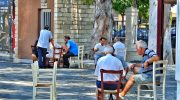
Cypriot coffee culture remains strong. Traditional coffee shops called kafeneia serve small cups of thick, strong coffee similar to Greek or Turkish coffee. Men gather at these establishments to discuss politics, business, and daily life. The coffee ritual requires time and patience. Rushing through coffee is considered disrespectful to the company and the moment.
Food plays a central role in professional relationships. Business lunches can last two or three hours. The meze tradition, where restaurants serve numerous small plates in succession, encourages extended dining and conversation. Sharing food strengthens business bonds. Invitations to family homes or Sunday lunches indicate respect and genuine connection rather than mere professional courtesy.

Family remains the foundation of Cypriot identity. Extended families gather for Sunday meals, often at parents’ homes or traditional tavernas. Weddings and christenings can host several hundred guests, reflecting how family networks extend across entire communities. These gatherings are not optional social events but essential family obligations that employers understand and respect.
Experiencing Daily Life as a Resident or Visitor
Anyone spending time in Cyprus quickly notices the slower pace compared to major European cities. Traffic moves steadily but not frantically. People walk without rushing. Shopkeepers engage in conversation rather than processing transactions mechanically. This rhythm feels relaxing to some visitors and frustrating to others accustomed to faster environments.
The best way to understand Cypriot work culture is through direct participation. Accept invitations to coffee or meals. Ask questions about family and traditions. Learn basic Greek phrases like “kalimera” for good morning and “efharisto” for thank you. Cypriots appreciate effort to engage with their culture even when conversations continue in English.
Punctuality exists on a spectrum. Government offices and international corporations maintain strict schedules. Traditional businesses and social gatherings operate more flexibly. Arriving 15 to 30 minutes late for casual appointments rarely causes offense, though this should not be assumed for first meetings or formal situations.
Sunday remains sacred family time. Most shops outside tourist zones close. Banks and government offices never operate on Sundays. Families attend church in the morning, then gather for extended lunches. The day emphasizes rest and relationship rather than productivity or commerce.
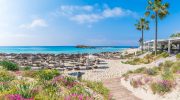
Cyprus offers over 300 sunny days annually. Outdoor activities remain possible year-round. Beaches stay accessible even in winter months when temperatures rarely drop below 15 degrees Celsius. This climate supports the cultural emphasis on enjoying life outside work hours. Hiking in Troodos Mountains, swimming at coastal beaches, and dining on outdoor terraces all factor into daily routines.
The Secret to Thriving Workplaces in Cyprus
The Mediterranean approach to work and life provides an alternative to high-stress corporate environments common elsewhere. Cyprus demonstrates that economic productivity can coexist with strong family bonds, leisurely meals, and genuine hospitality.
This culture attracts international professionals seeking better balance. Remote workers from Northern Europe and North America increasingly choose Cyprus as a base. They access European infrastructure and business standards while embracing a more relaxed lifestyle. The combination proves particularly appealing for families with children who value safety, outdoor activities, and community connections.
For Cyprus itself, this work culture represents cultural continuity. Ancient trading practices emphasized relationship-building and trust. Modern business follows similar principles using contemporary tools. The island’s success in financial services, shipping, tourism, and technology shows that traditional values adapt to new economic realities without abandoning core principles.

The emphasis on philoxenia, family, and siga siga creates workplaces where employees feel valued as complete people rather than productivity units. This approach reduces stress, improves mental health, and often increases job satisfaction. Companies that embrace these values experience lower turnover and stronger team cohesion.
Cyprus work culture ultimately reflects a different set of priorities. Success includes professional achievement, but also strong family relationships, community involvement, good health, and time to appreciate beauty. This holistic definition of success resonates with growing numbers of people worldwide who question whether constant hustle leads to genuine fulfillment. The Cypriot model suggests another path remains possible.