Lefkara is a traditional village in southeastern Cyprus known for its long history of fine lace-making and skilled silversmithing. Located on the southern slopes of the Troodos Mountains, the village combines centuries-old crafts with well-preserved stone buildings. Visitors come from around the world to see the traditional crafts, explore historic houses, and learn about the village’s role in Cypriot culture.
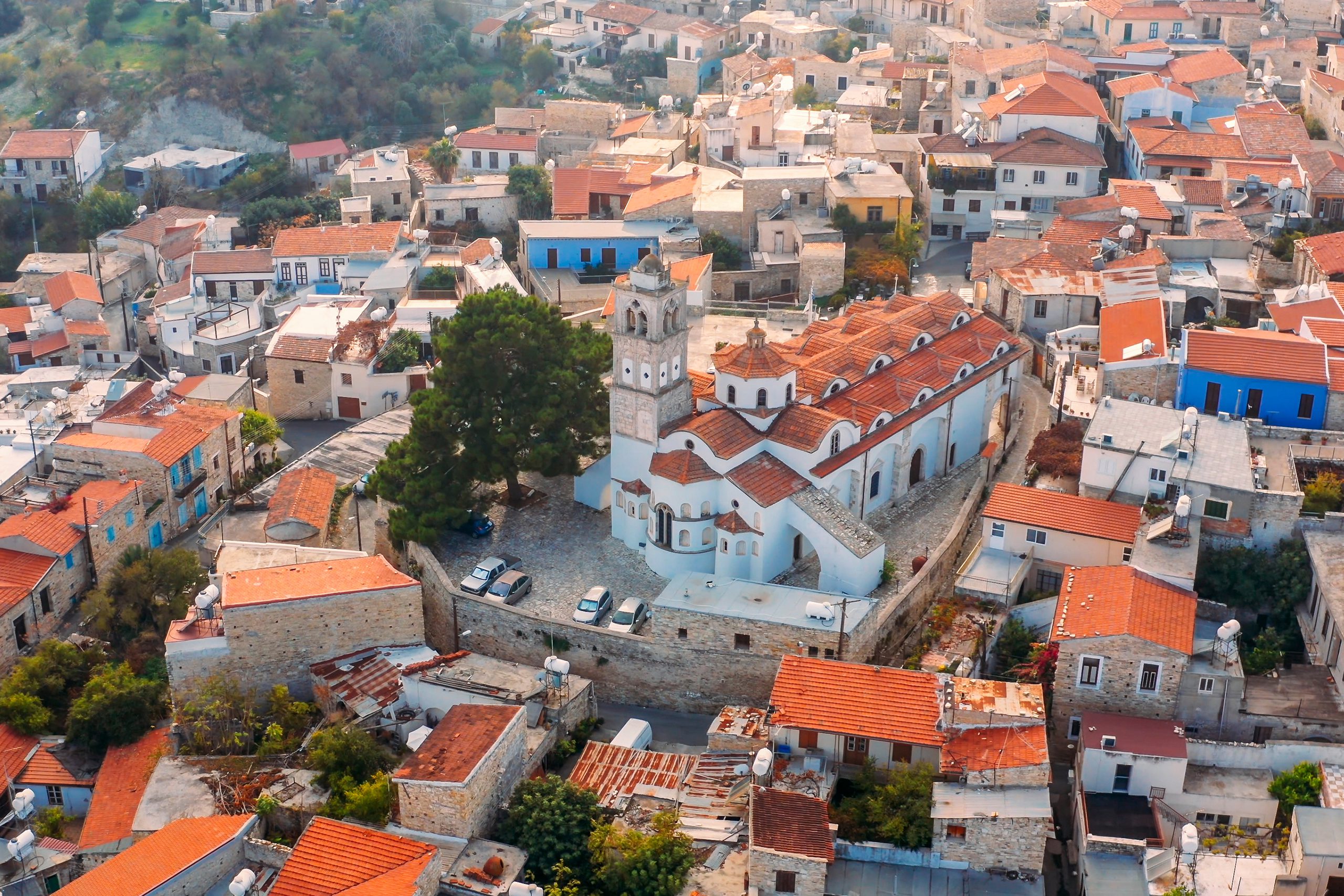
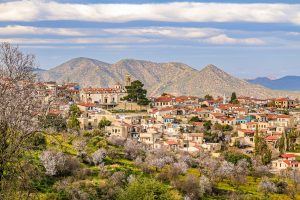
Lefkara consists of two connected settlements called Pano Lefkara (Upper Lefkara) and Kato Lefkara (Lower Lefkara). The name Lefkara comes from Greek words meaning “white mountains,” referring to the light limestone used in local buildings and the surrounding landscape. The village sits about 650 metres above sea level and features narrow cobbled streets, stone houses, and historic buildings that show the island’s architectural development over many centuries.
Historical Background
The history of Lefkara stretches back to Byzantine times, with evidence of settlement in the area from at least the 11th century. Written references to Lefkara appear in the testament of Saint Neophytos, a key figure in Cypriot religious history born nearby. Over the centuries, the village developed through Frankish, Venetian, and Ottoman periods, each leaving architectural and cultural influences that helped shape its character.
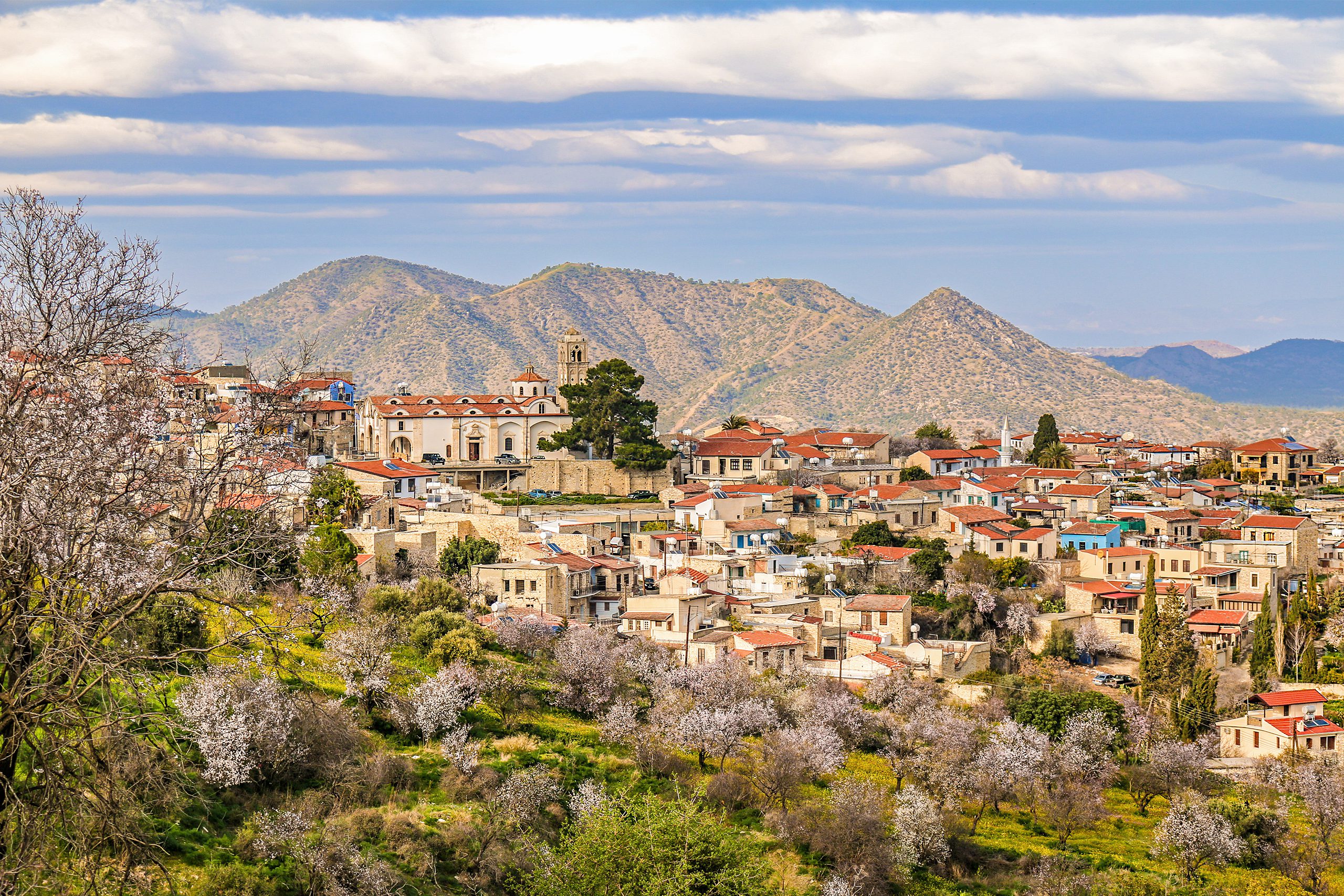
During the Venetian period (1489–1571), Lefkara became particularly known for its crafts and trade. The lace-making tradition, known locally as lefkaritika, was well established by this time and earned renown beyond the island. Silver filigree work developed alongside embroidery and also became a signature craft of the village, contributing to its regional reputation for artisanal skill.
The village continued to grow through the Ottoman period (1571–1878) and into British colonial rule beginning in 1878. Traditional stone houses of the period used local limestone and followed established design practices, with thick walls for insulation and courtyards for family life. Many surviving houses date from the 18th and 19th centuries and remain a defining visual feature of Lefkara’s built environment.
Lace Tradition and UNESCO Recognition
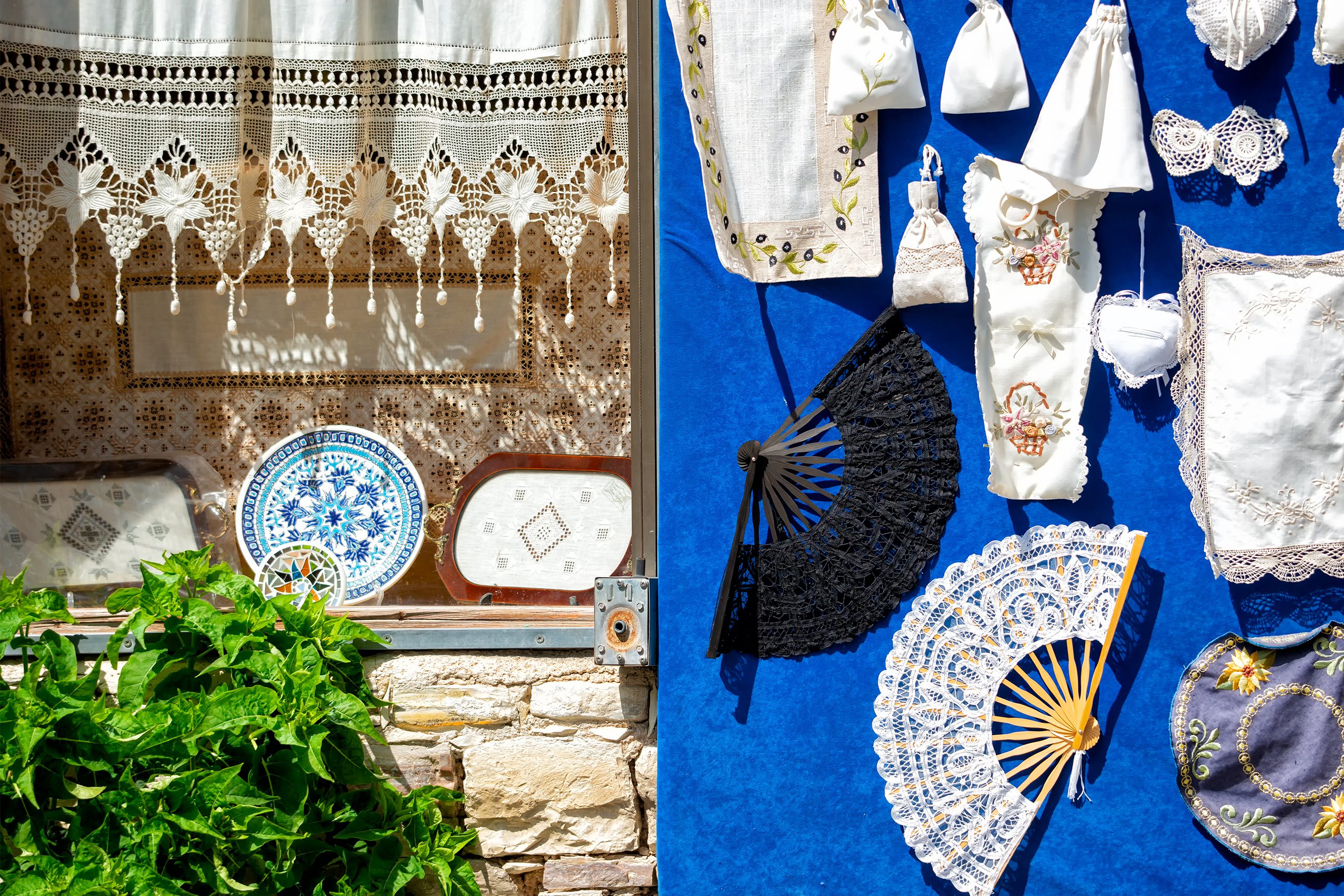
Lefkara’s most famous cultural contribution is its lace-making tradition. Known locally as lefkaritika, this embroidery art is recognised for its precision, geometric design, and technical complexity. Lefkaritika combines four main elements. These are hemstitch, cut work, satin stitch infills, and needlepoint edgings. These techniques produce intricate cloths, table linens, and decorative pieces that became highly prized across Europe.
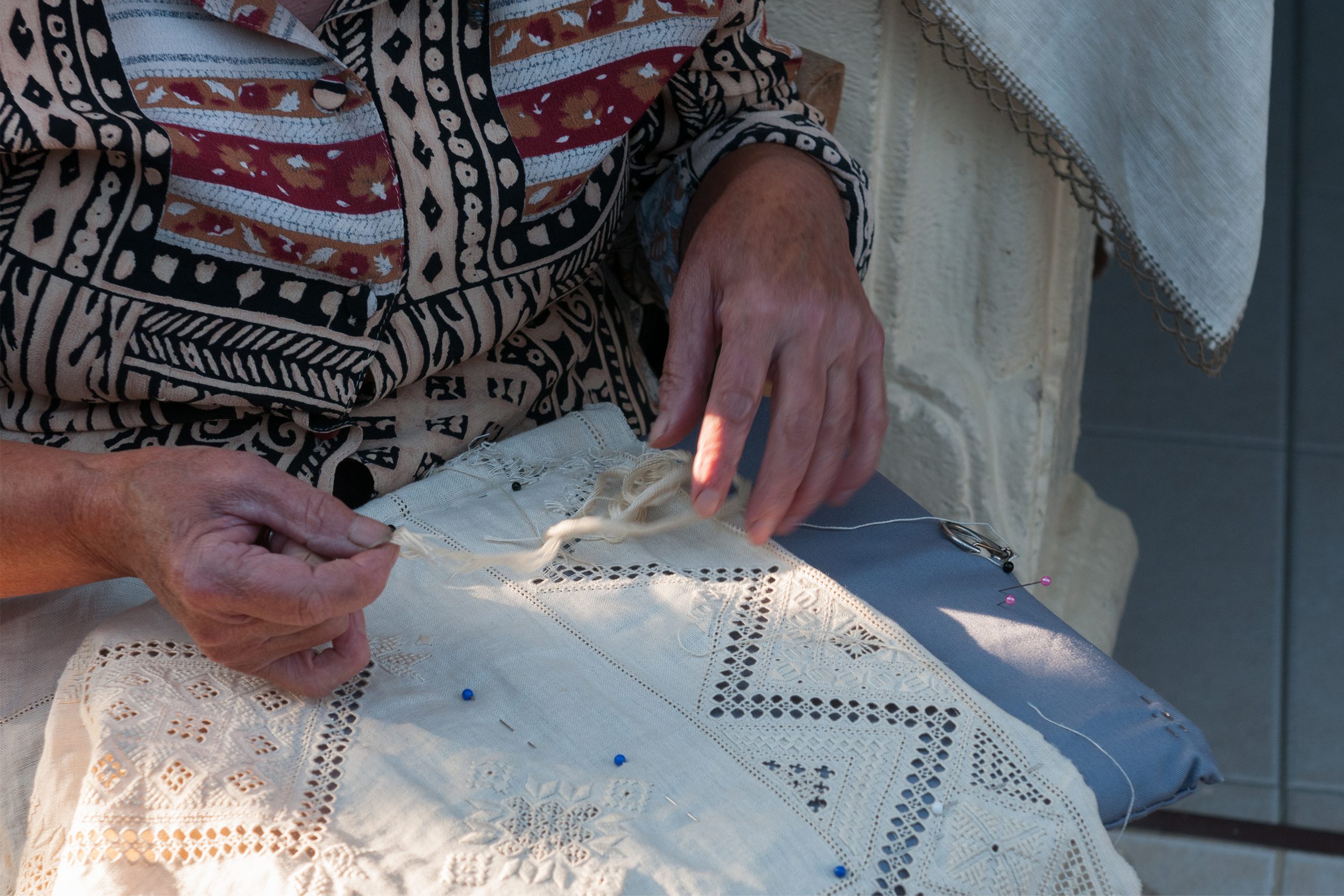
In 2009, Lefkaritika was added to UNESCO’s Representative List of the Intangible Cultural Heritage of Humanity. This recognition reflects both the craft’s historical depth and its continued relevance to local identity and cultural continuity. Women in the village still practise the craft by hand, often working outdoors or in family workshops and passing skills from mothers to daughters through direct instruction and long apprenticeship.
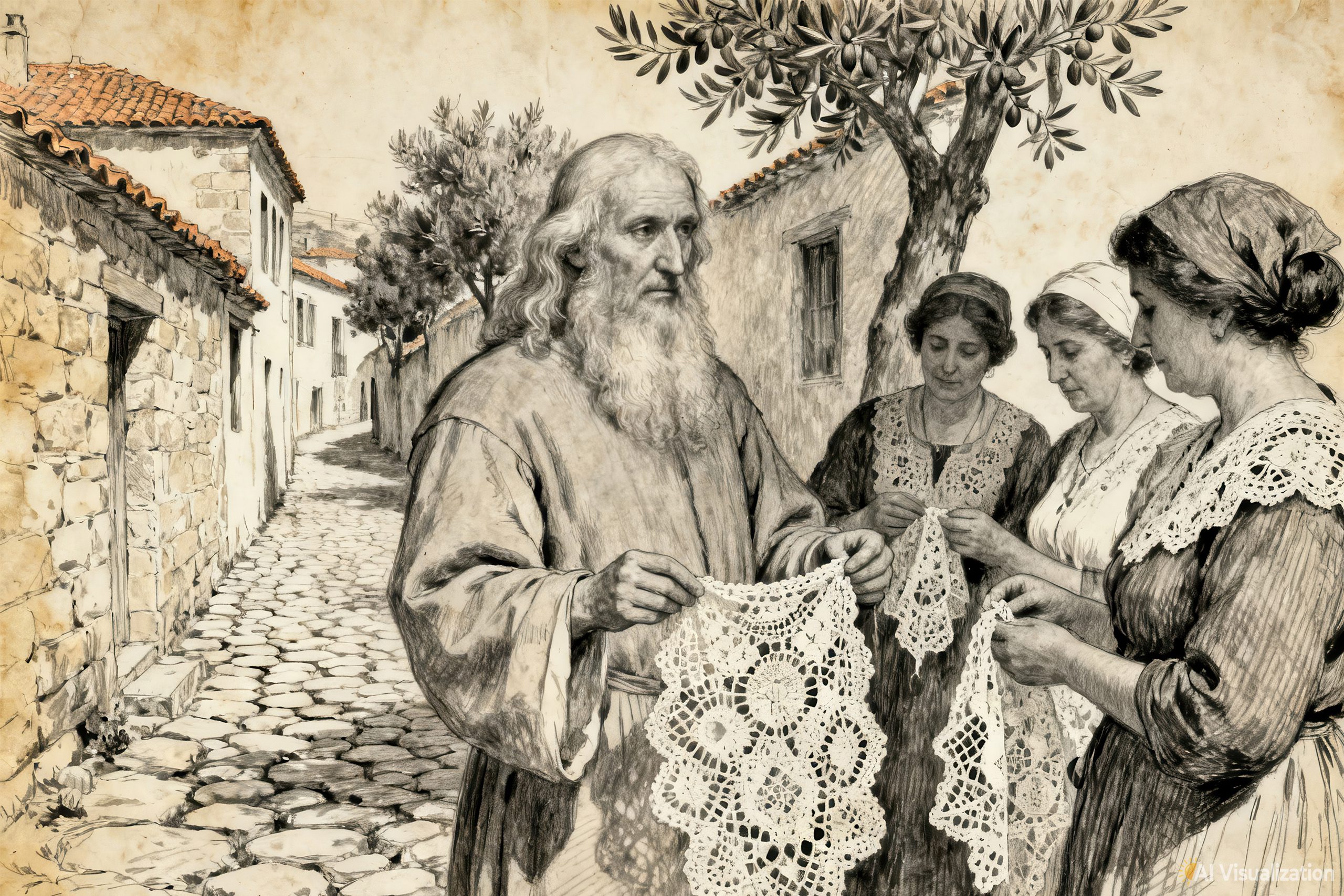
A local legend credits Leonardo da Vinci with visiting Lefkara in 1481 and purchasing a lace cloth for the altar of Milan Cathedral. While this story is not documented in contemporary sources, it has become part of the village’s cultural narrative and is often cited in promotional material and local history accounts.
Silver Filigree and Artisan Crafts
In addition to lace, Lefkara is widely known for silversmithing. Local artisans produce fine filigree work, including jewelry, crosses, icons, and ornate household objects. Traditional silverwork requires steady hands and careful control of fine wire to create patterns that complement the village’s lace heritage. Shops and workshops in both Pano and Kato Lefkara display these handcrafted pieces, allowing visitors to observe the production process and purchase directly from makers.
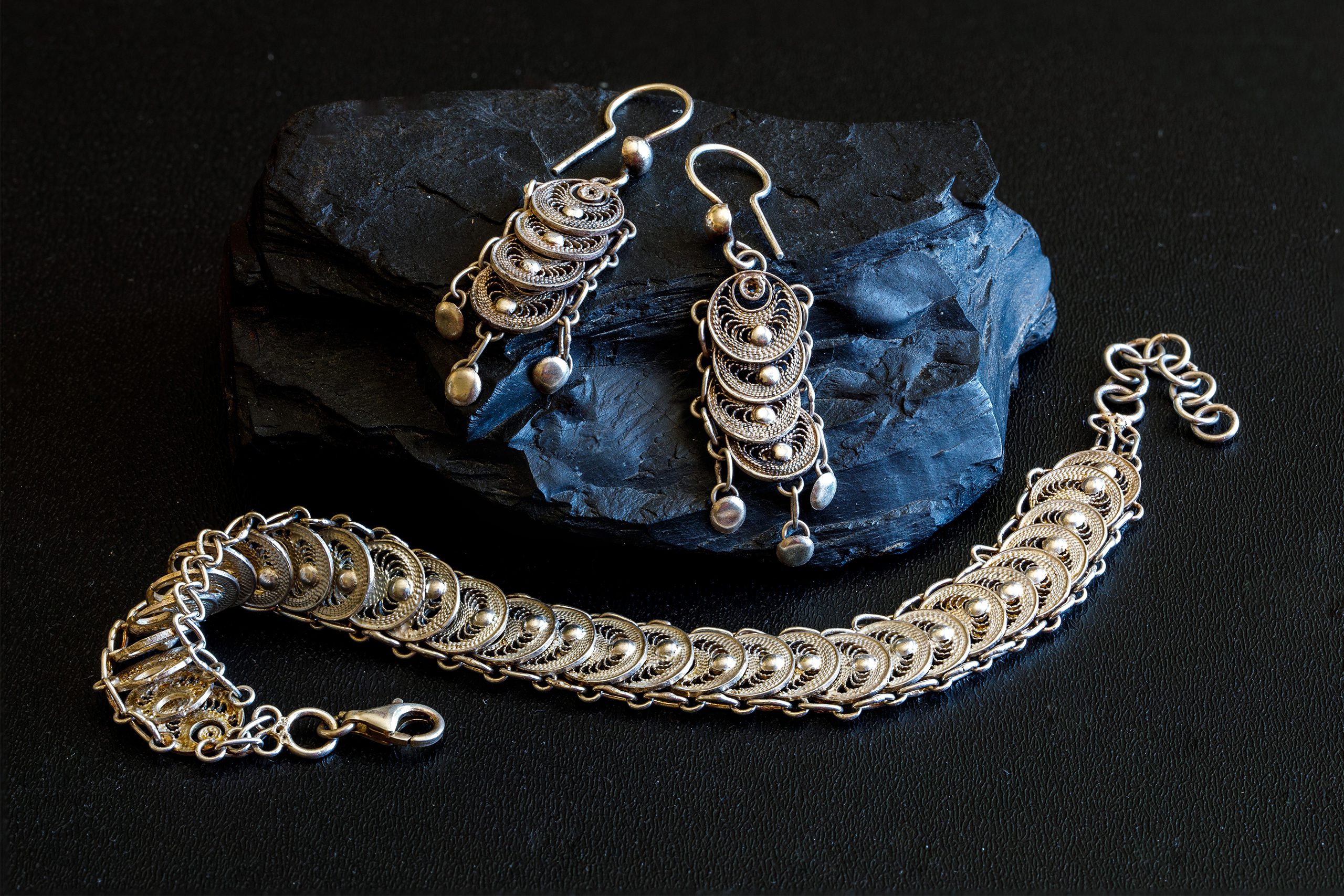
The combination of high-quality lace and detailed filigree has shaped Lefkara’s identity as a centre of traditional craft. These products not only draw tourism but also provide a link to the village’s economic past, when trade was sustained through artisan sales across Cyprus and beyond.
Stone Architecture and Urban Character
The architecture of Lefkara reflects its long history and local materials. Houses are primarily constructed from white limestone, a resource reflected in the village name. Roofs are traditionally covered with terracotta tiles, and many buildings feature wooden balconies, deep window sills, and carved stone details. Streets are paved with cobbles and follow the natural contours of the hillside, creating a layered urban fabric.
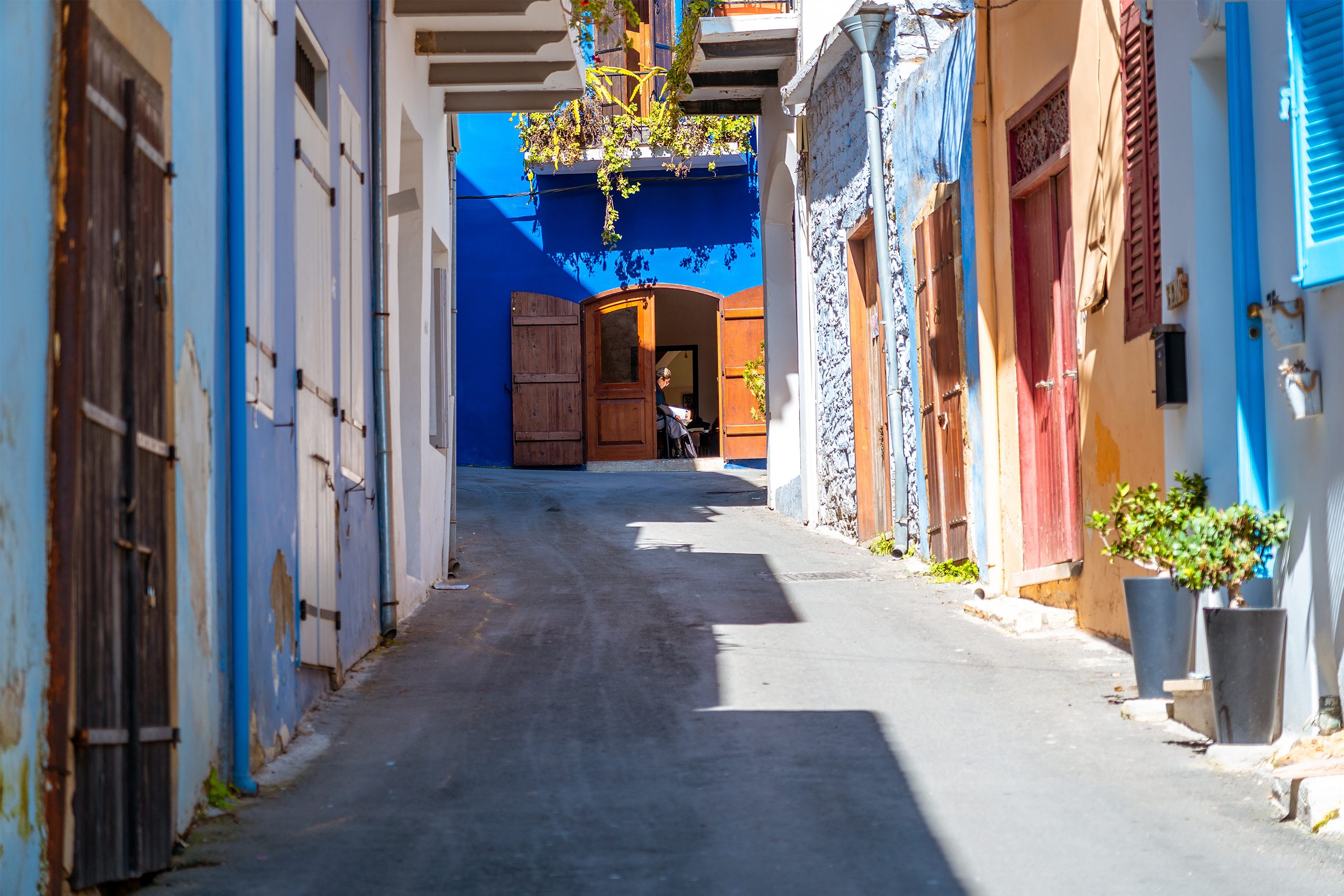
Traditional homes were designed around internal courtyards or narrow street fronts, offering shade and protection from seasonal winds. Many houses have been listed by the Department of Antiquities and protected to maintain their historic character. Preservation efforts have rehabilitated key buildings for public use, including the Patsalos residence, now functioning as a local museum for lace and silverwork.
Social and Demographic Change
Historical records show that Lefkara’s population changed over the 20th century. Economic difficulties, especially during the inter-war period, caused many residents to leave the village, and by the 1930s half of it was uninhabited. After Cyprus gained independence in 1960, tourism became an important source of income, bringing visitors and supporting local crafts. Tourism development in the 1970s helped protect traditional practices and buildings from abandonment.
The village once had a mixed Greek Cypriot and Turkish Cypriot population. Inter-communal conflict in the 1960s and the Turkish invasion in 1974 caused displacement and changes to the community. Some families and cultural groups who moved away kept connections to Lefkara, and the lace-making traditions continued in new locations.
Visiting Lefkara Today
Visitors to Lefkara can explore both Pano and Kato Lefkara on foot. Shops, workshops, and the Museum of Traditional Embroidery and Silversmithing provide insight into the techniques and history of local crafts. The Lefkara Handicraft Centre also offers demonstrations and educational opportunities to learn about lace-making and metalwork.
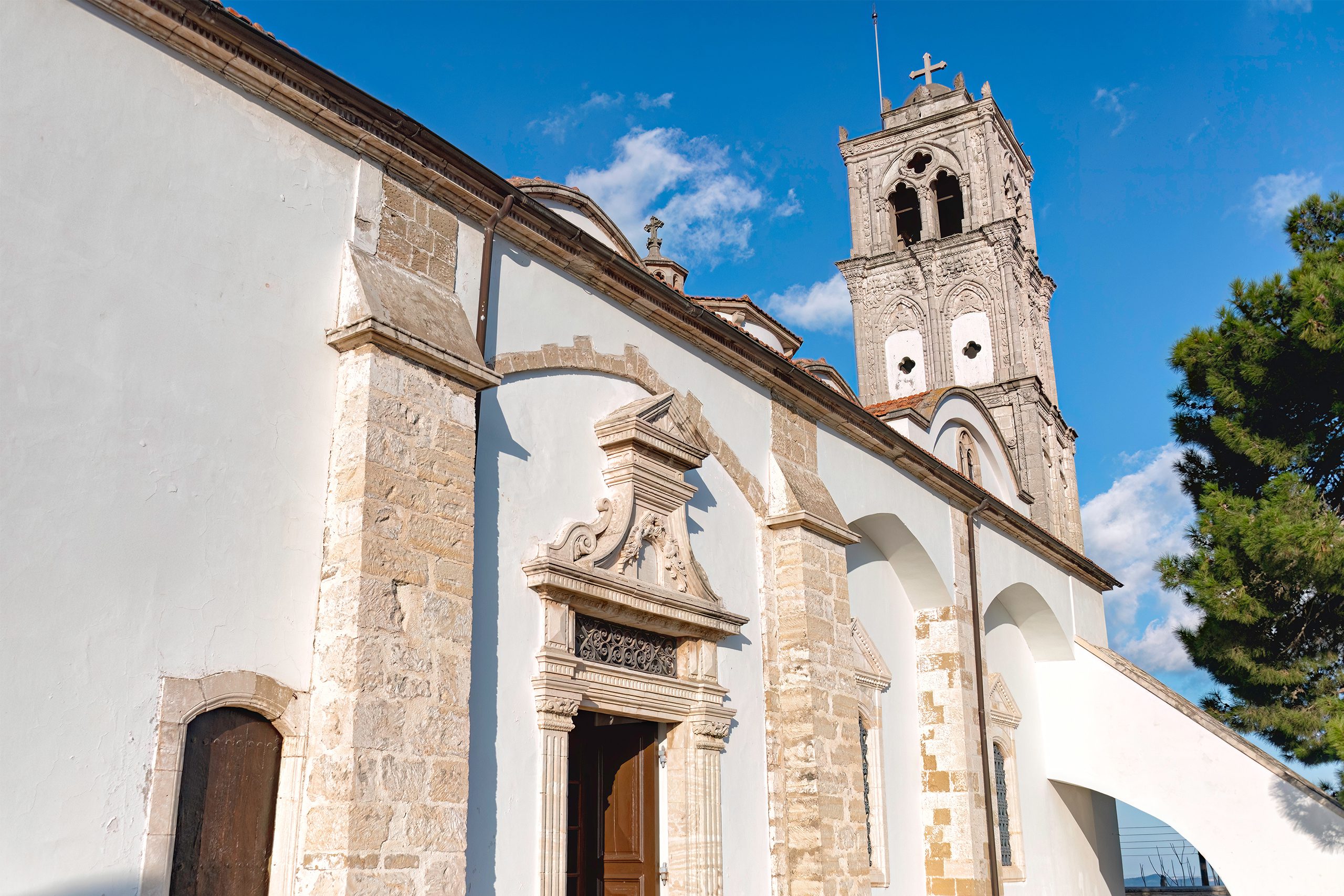
Lefkara’s architectural charm, combined with craft heritage, makes it one of Cyprus’s most notable rural destinations. Its location near the Troodos slopes provides scenic views and moderate temperatures in summer months, adding to its appeal as a cultural tourism site. The annual Lefkara Festival in August further showcases local music, dance, and craft exhibitions, reinforcing community pride and tradition.
Lefkara remains a village deeply rooted in craft, architecture, and tradition. Its lace-making and silverwork have shaped not only local identity but also its reputation across Cyprus and internationally. With architecture that reflects centuries of history and a living cultural heritage recognised by UNESCO, Lefkara continues to inform visitors about Cypriot craftsmanship, rural life, and historic continuity.