Maa-Palaiokastro is an important site in Cyprus’s history. This Late Bronze Age settlement on the western coast near modern Paphos shows the arrival of Mycenaean Greeks to the island around 1200 BC. Built on a small peninsula and surrounded by strong walls, the site shows how Greek culture began to influence Cyprus during a period of major changes across the eastern Mediterranean.
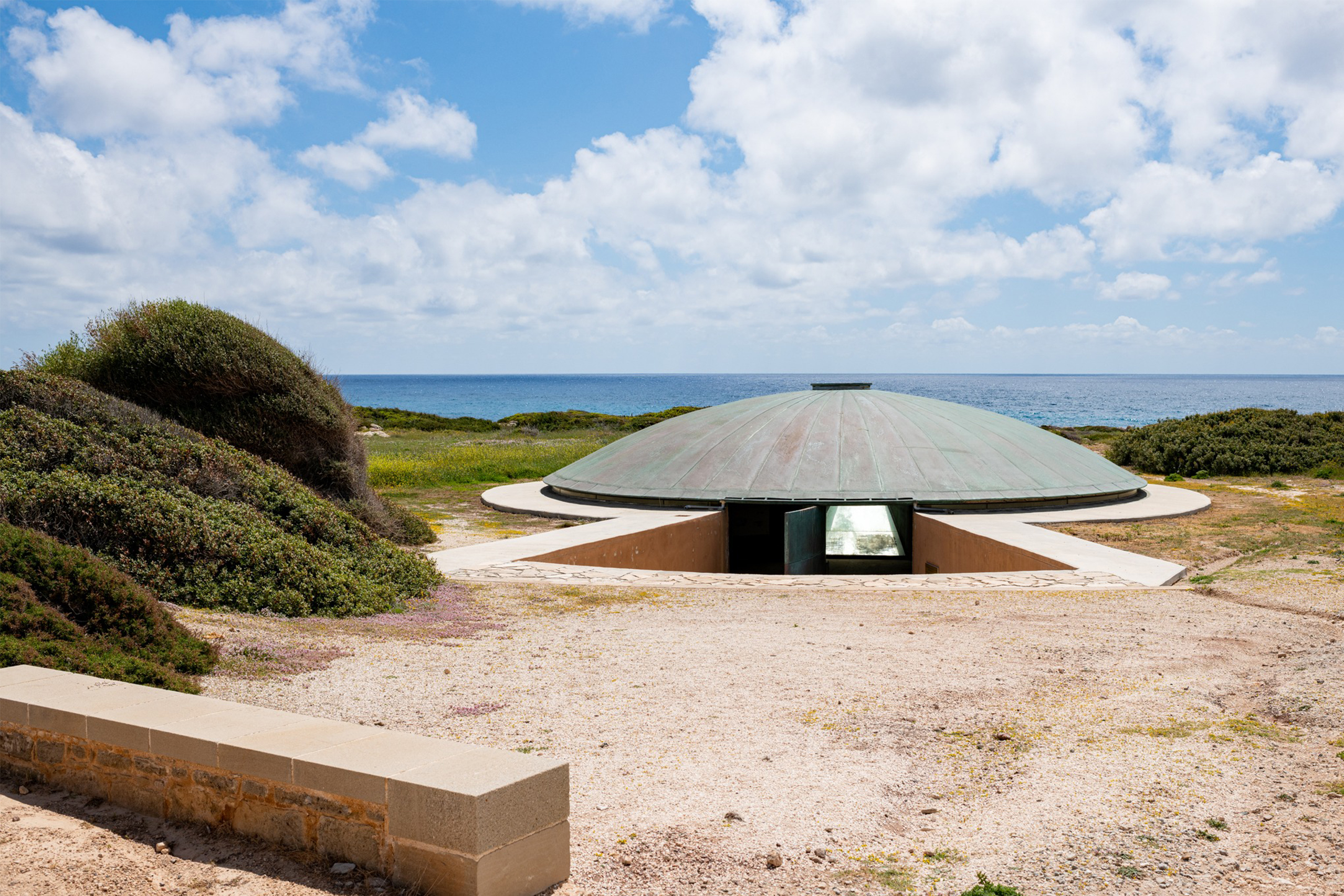
The name “Palaiokastro” means “old castle” in Greek, referring to the large fortification walls that were still visible long after people left the settlement. The site includes the ruins of a small but strategically important community from the late 13th to mid-12th century BC, along with an underground museum built in 1996.
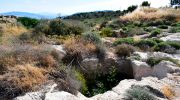
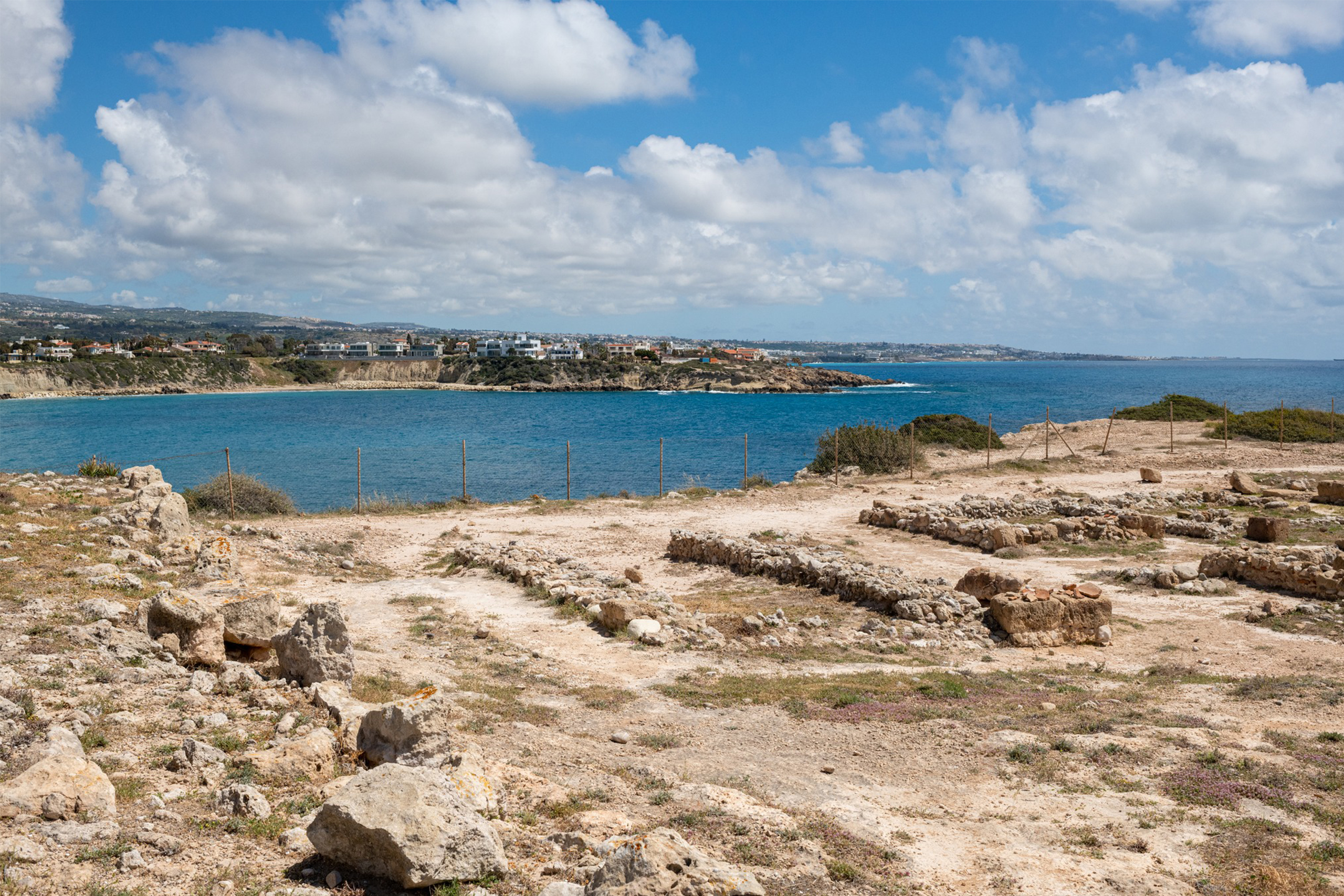
The settlement sits on a promontory that sticks out into the Mediterranean, connected to the mainland by a narrow strip of land. Excavations have uncovered houses, public buildings with Aegean-style architecture, and two large defensive walls that protected the settlement from attacks by land or sea.
The Historical Context of Maa-Palaiokastro
The settlement at Maa-Palaiokastro was built during a very unstable time in the eastern Mediterranean. At the end of the 13th century BC, the major Mycenaean palace centers in mainland Greece, like Mycenae and Pylos, collapsed. Many people left these cities and moved across the eastern Mediterranean looking for new places to live.
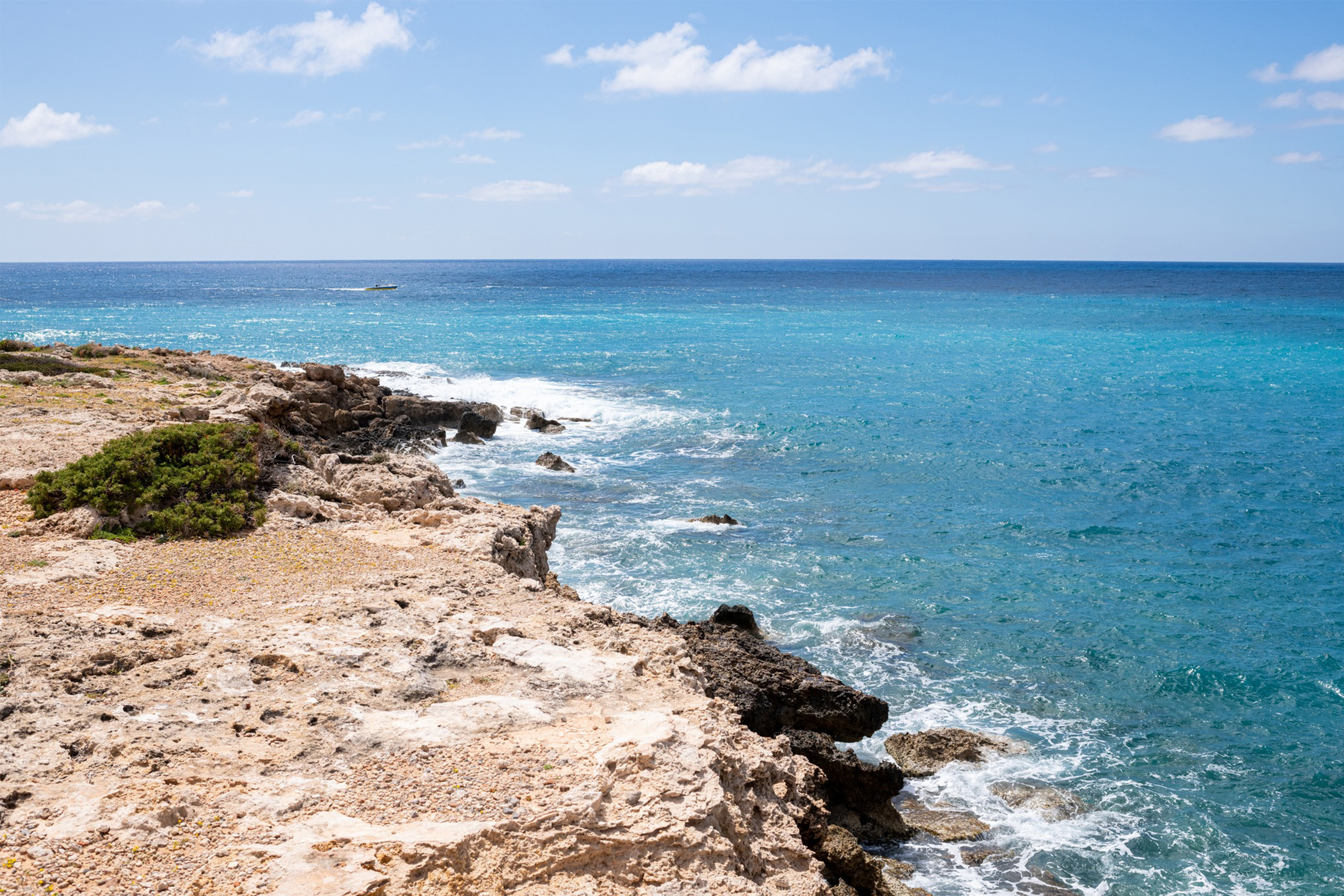
Some of these Mycenaean refugees settled in existing Cypriot cities such as Enkomi, Kition, and Palaepaphos. Others built new fortified settlements. Maa-Palaiokastro and Pyla-Kokkinokremos on the southeastern coast were both created during this time as small defensive outposts. These settlements were only occupied for a few generations but were used intensively.
Archaeological evidence shows that people first lived at Maa-Palaiokastro around 1230-1200 BC. The settlement was destroyed around 1175 BC, probably by pirates, but the residents rebuilt it quickly. It was finally abandoned around 1150 BC, following the wider disruptions that affected the eastern Mediterranean at the end of the Bronze Age.
Before the Mycenaeans arrived, the peninsula was used during the Early Chalcolithic period. People then lived in simple homes made from rock cavities with timber structures on top.
Fortifications and Defensive Architecture
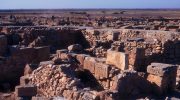
One of the most noticeable features of Maa-Palaiokastro is its two sets of defensive walls. The Northern Wall protected the land side where the peninsula connects to the mainland. It was about 70 meters long and 3.5 meters wide. The wall was built in the Cyclopean style, using large uneven boulders with smaller stones packed in between. It had a main gate and a smaller side gate.
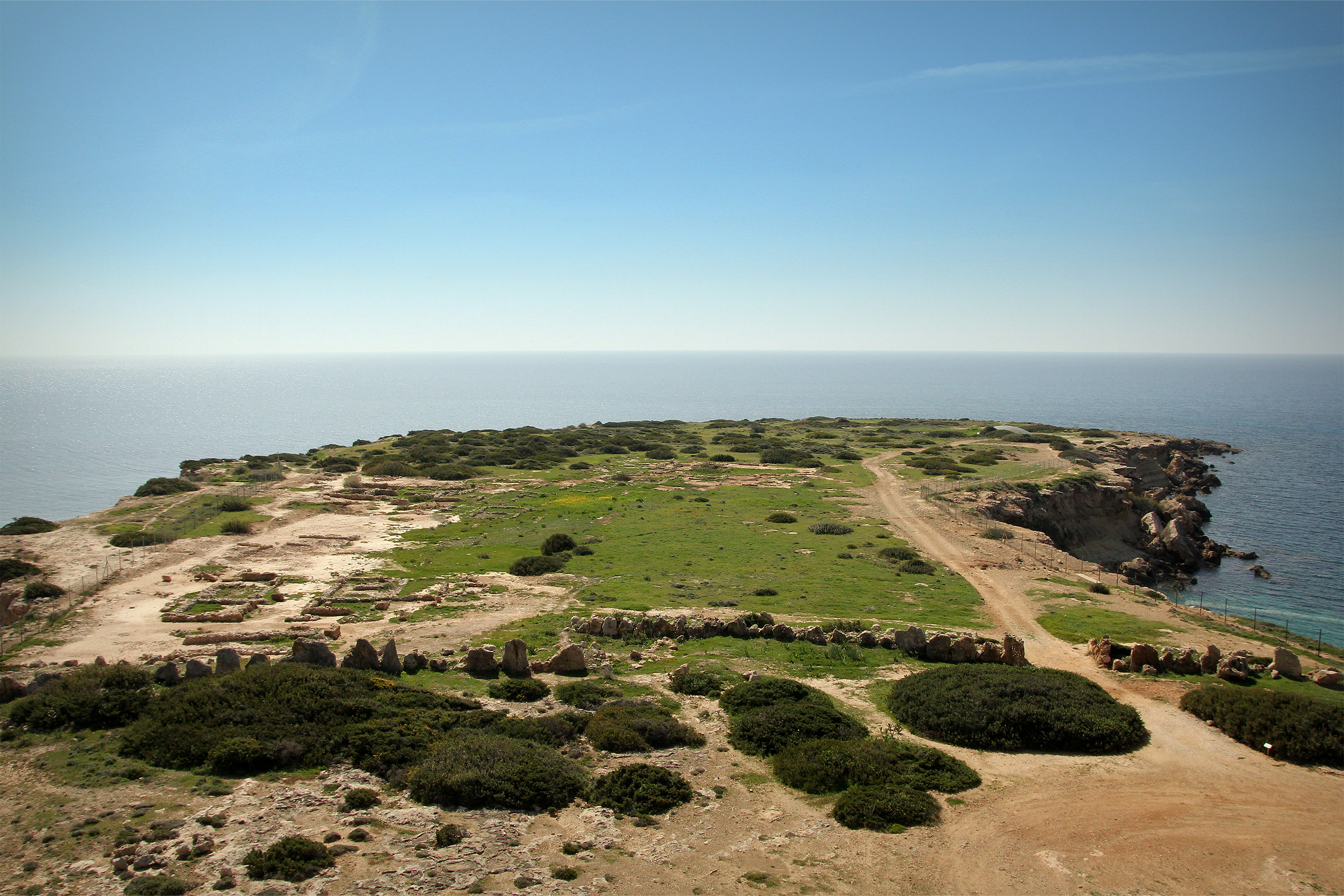
The Southern Wall ran along the seaside, protecting the settlement from attacks from the water. Both walls used very large stones, following Mycenaean building styles but adapted to the local materials. Archaeologists also identified a tower-like structure in what they call Rooms 45 and 46. This tower was likely used to watch and control ships along the coast.
These fortifications show that the people of Maa-Palaiokastro spent a lot of time and effort building strong defenses, even though the settlement was small. The walls highlight how dangerous the period was and how settlers were prepared for attacks. The defensive style is very different from older Cypriot buildings and clearly shows influence from Mycenaean Greece.
Archaeological Research and Discoveries
The first small excavation at Maa-Palaiokastro took place in 1952 by Porphyrios Dikaios. Later, from 1979 to 1986, Dr. Vassos Karageorghis and his team carried out eight seasons of digging. They uncovered the settlement layout, walls, and everyday objects.
In 2018, researchers used modern tools to study the buildings and how the settlement was organized. This showed that the village was carefully planned in some areas, but other parts were built quickly.
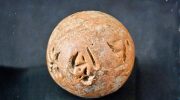
Archaeologists also found inscriptions in the Cypro-Minoan script on pottery and other items. This is an early form of writing on Cyprus, but we still do not know what it says. These writings suggest the community had some administrative organization and may have kept records for trade or local management.
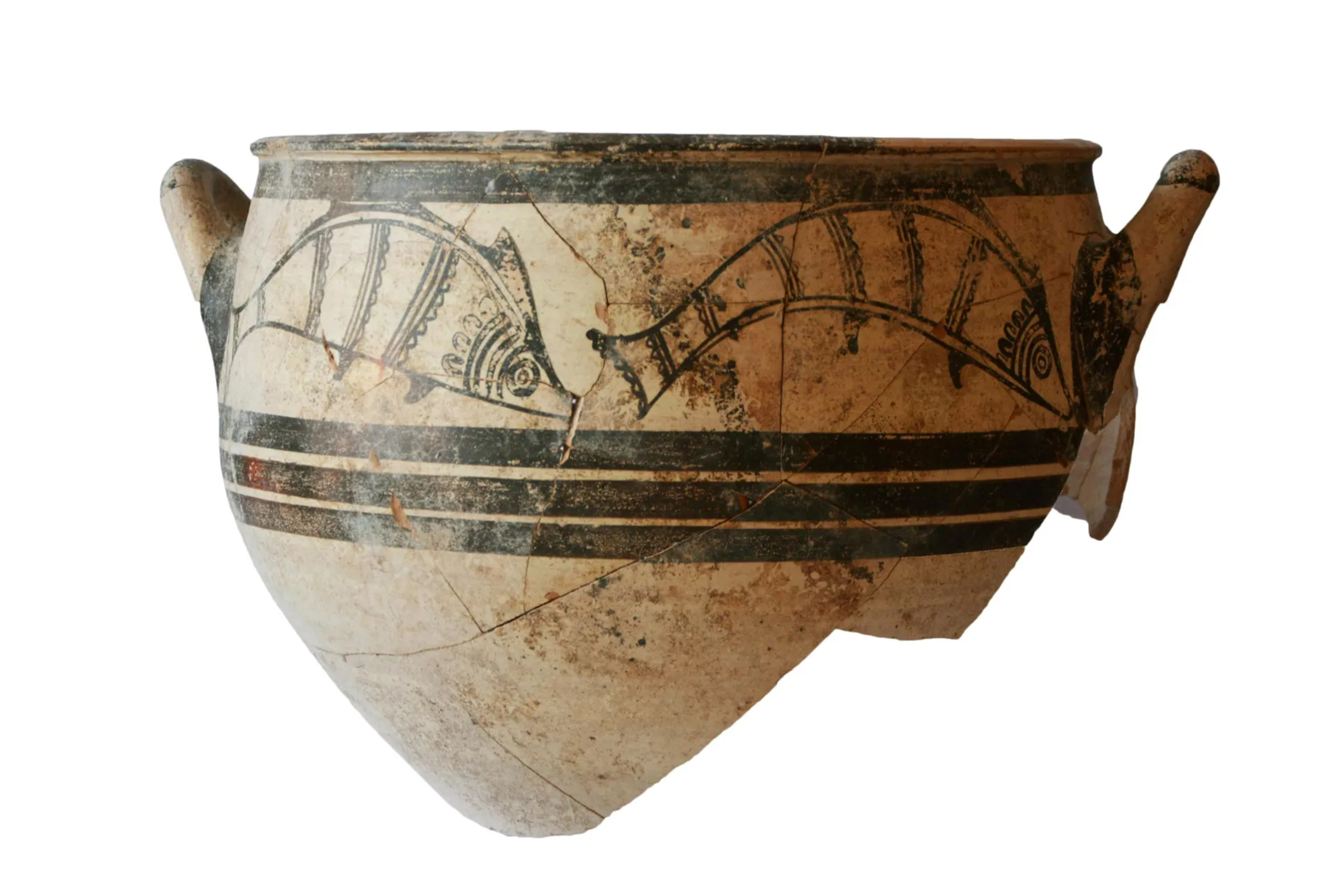
Objects found at the site show links with the wider Mediterranean. Some pottery was clearly influenced by Mycenaean Greece, while local Cypriot pottery styles continued. This shows that the people at Maa-Palaiokastro combined Aegean and Cypriot traditions in their daily life.
The Site’s Role in Cyprus’s Hellenization
Maa-Palaiokastro is very important because it shows how Greek culture first came to Cyprus. In the late 13th and early 12th centuries BC, Mycenaean refugees from mainland Greece arrived on the island. Their arrival started a process called Hellenization, which shaped Cypriot culture for thousands of years.
The settlement was one of the first Greek communities on Cyprus. Even though Maa-Palaiokastro was only used for a few generations, the movement of Mycenaean people affected many other cities. Places like Enkomi and Kition received new settlers who brought Greek-style buildings, pottery, religious practices, and ways of organizing society.
This period introduced features like large stone walls for defense, carefully cut stone blocks for important buildings, and religious symbols such as the horns of consecration from Greece and Crete. Over time, the Greek language and culture spread across Cyprus, laying the foundation for the island becoming a Greek-speaking region.
Visiting Maa-Palaiokastro Today
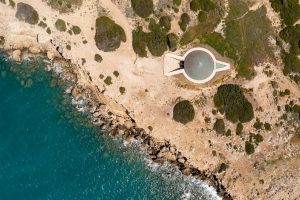
Maa-Palaiokastro is located near Coral Bay in the Peyia area, not far from Paphos. The most unique part of the site is the underground museum, designed by Italian architect Professor Andrea Bruno and funded by the A.G. Leventis Foundation. The building is mostly underground to protect the landscape, with only a copper dome visible above ground.
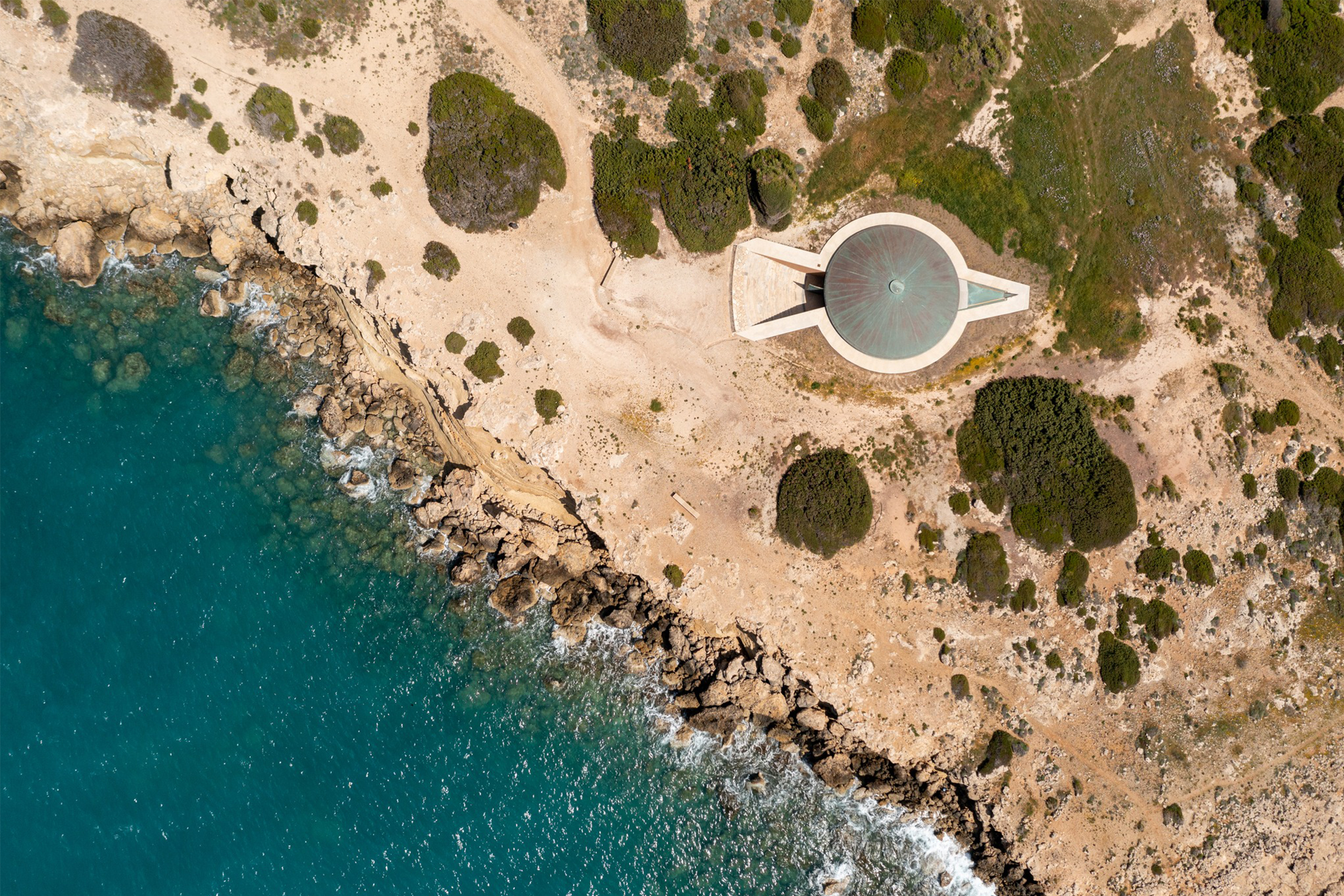
Bruno originally imagined the museum as a “Museum of Nothing,” a simple empty circular hall for visitors to reflect on the past. Later, a small exhibition was added, but walking down into the underground hall remains the most memorable part of visiting.
The exhibition includes copies of artifacts, photos of the excavation, and information explaining the history of the Mycenaean settlers in Cyprus. Around the site, visitors can also walk among the ruins of houses and fortification walls, with signs explaining what they are seeing.
The site is open all year except for major holidays. Maa-Palaiokastro may not be as large or developed as other Cypriot archaeological sites, but it offers a quiet, reflective experience that highlights an important moment in the island’s history.
Why Maa-Palaiokastro Matters to Cypriot Heritage
Maa-Palaiokastro preserves tangible evidence of how Cyprus became a refuge during one of the ancient world’s major crisis periods. The settlement demonstrates that even in times of widespread collapse and disruption, communities could establish new homes and maintain cultural traditions while adapting to new circumstances.
The site illuminates the mechanisms of cultural transmission in the ancient Mediterranean. The architectural evidence shows how Aegean building techniques were transplanted to Cyprus and modified to suit local conditions. The mixed pottery assemblages reveal how incoming populations and established communities interacted and influenced each other. The presence of metallurgical activity connects the settlement to Cyprus’s continuing role in the Mediterranean copper trade despite the broader economic disruptions of the period.