The Museum of National Struggle opened in 1961, just two years after the end of the liberation struggle. Former EOKA fighter Christodoulos Papachrysostomou founded the institution following a decision by the Greek Communal Chamber on January 26, 1961.
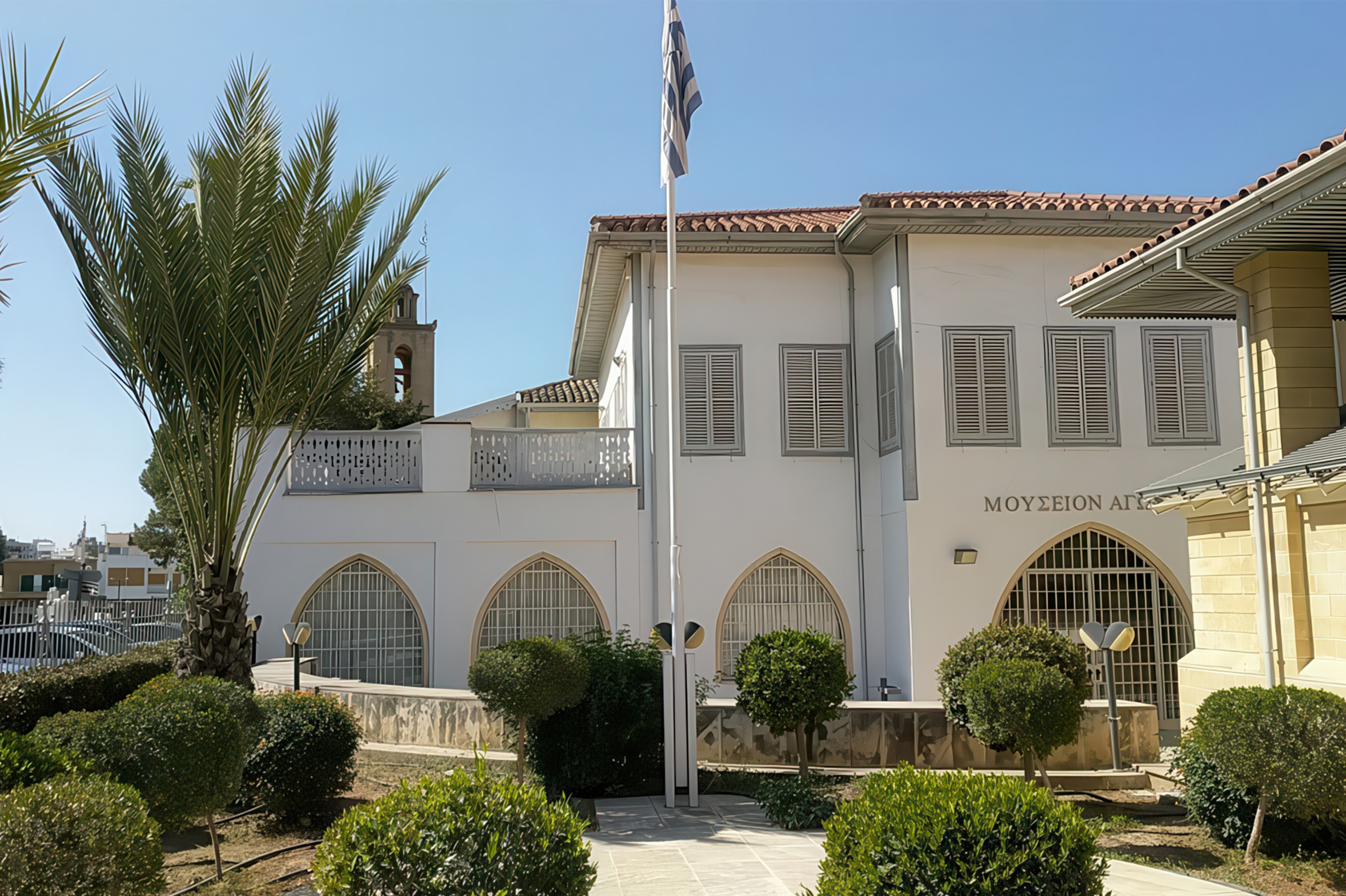
The decision was published in the official newspaper of the Republic on February 23 of the same year. The museum’s establishment aimed to spread awareness of the freedom fight, honor fallen fighters, preserve memories for future generations, and collect materials for historical documentation.
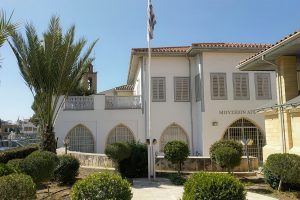
The museum initially operated from different premises before moving to its current purpose-built facility near the Holy Archbishopric of Cyprus in central Nicosia. The new building was inaugurated on April 30, 2001, with funding provided by the Holy Archbishopric of Cyprus and the Ministry of Education and Culture. The modern facility transformed the museum from a simple archive into a historical and scientific center equipped with new technologies and visual aids.
Historical Background
The National Organization of Cypriot Fighters, known as EOKA from its Greek initials, was founded on March 07, 1953, by Colonel Georgios Grivas, a Greek Army officer. Grivas had arrived in Cyprus on November 10, 1954, to prepare for the insurgency. The organization received support from Archbishop Makarios III, the Orthodox Archbishop of Cyprus, who had vowed upon his elevation in 1950 not to rest until union with Greece had been achieved.
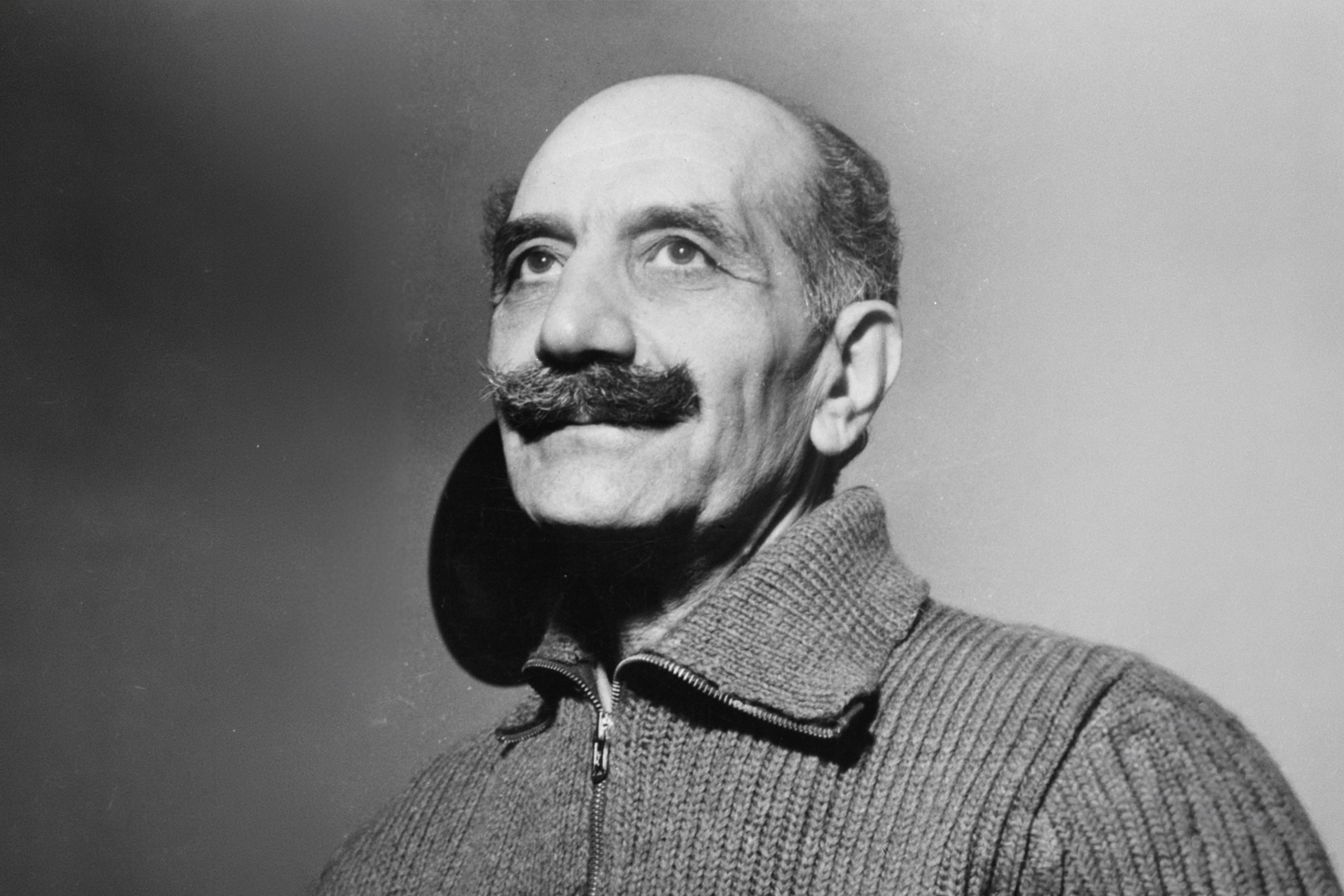
EOKA’s armed campaign began on the night of March 31 to April 1, 1955, with 18 coordinated bomb attacks across the island in Nicosia, Famagusta, Larnaca, and Limassol. The attacks targeted police stations, military installations, government buildings, and the Cyprus Broadcasting Station’s transmitter. Grivas used the nom de guerre Digenes, after a legendary Byzantine general who had defended Cyprus in the medieval era, and initially kept his identity secret.
British Governor John Harding declared a state of emergency on November 26, 1955. The British government confiscated 27 boxes of EOKA weapons near the village of Chloraka in January 1955, before the armed struggle officially began. The conflict intensified throughout 1956, reaching its climax when British forces exiled Archbishop Makarios III to the Seychelles in March 1956. He remained in detention until March 1957, though he did not return to Cyprus until February 1959.
The Nature and Scope of the Conflict
EOKA operated through two main branches. Mountain groups functioned as conventional guerrilla forces, living in hidden camps in the Troodos forests. Town groups consisted of fighters who often continued their civilian jobs or schooling while conducting operations. Supporting these armed wings was the National Front of Cyprus, which provided EOKA with intelligence, supplies, weapons, medicines, recruits, and safe houses.
EOKA recruited from the Cyprus Farmers’ Union in villages and from two main youth movements, the Church-controlled Christian Youth Movement and the nationalist Pancyprian Youth Movement in towns. Grivas intended to turn Cyprus’s youth into the foundation of EOKA. A youth division called ANE also operated during the struggle years.
Throughout the four-year campaign, EOKA conducted 104 house bombings, 53 riots, 136 acts of sabotage, 403 ambushes, 35 attacks on police, 38 attacks on soldiers, and 43 raids on police stations. The organization’s strategy aimed to keep British forces away from the Troodos Mountains where main fighter groups were hiding. EOKA initially prohibited attacks on Turkish Cypriots and only targeted British soldiers and Greek collaborators. However, by January 1957, EOKA forces began targeting Turkish Cypriot police officers, viewing them as collaborators with the British colonial authorities.
The Casualty Count and British Response
Casualty figures from the conflict vary depending on the source. British records report 126 British soldiers, 26 British civilians, and 21 British police officers killed during the emergency. Other sources cite 156 British military deaths and 788 wounded. Total deaths from all sides reached approximately 600 individuals during the four-year period.
The British government reinforced local military bases at Dhekelia and Akrotiri by transferring troops from Egypt. British forces relied heavily on approximately 4,000 Turkish Cypriot policemen because the Greek Cypriot community supported EOKA and provided little useful intelligence. The use of Turkish Cypriot police against the Greek Cypriot community increased tensions between the two communities.
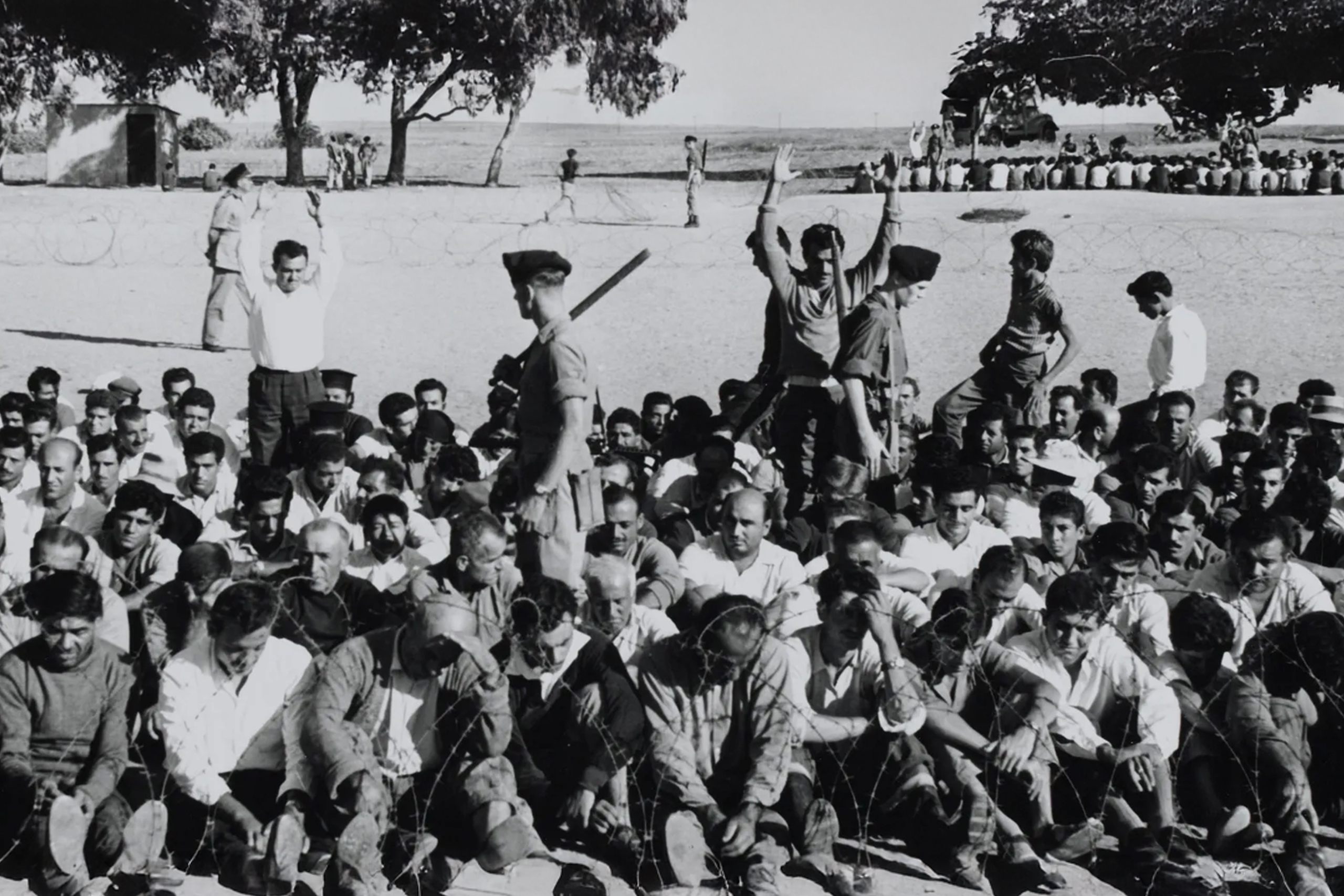
British authorities implemented harsh countermeasures, including mass arrests, curfews, and interrogation tactics. The Foreign Office released classified documents in 2012 that described torture and abuse claims between 1955 and 1959. These reports revealed that colonial administration officials admitted to torture and abuse. Documents detailed allegations against British soldiers and security personnel, including killing a blind man, ordering a Greek Cypriot to dig his own grave, and hitting a pregnant woman who subsequently miscarried.
Inside the Museum’s Collection
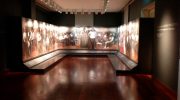
The museum operates across two floors within its building near the Archbishop’s Palace. The ground floor focuses on the construction of EOKA and the historical context of the struggle, while the first floor covers the personal experiences of fighters and the daily realities of the conflict. Four rooms on each floor display original documents, architectural drawings, photographs, posters, weapons, propaganda materials, and personal belongings of EOKA members.
Period furniture recreates the atmosphere of the 1950s struggle era. Interactive computer screens provide detailed information about the campaign’s history and operations. The museum includes a screening room that shows historical films about Cyprus, with particular focus on the EOKA period. A 25-minute documentary written by Yiannis Chr. Spanos and directed by Andy Roditis guides visitors through the historical fight against British rule.
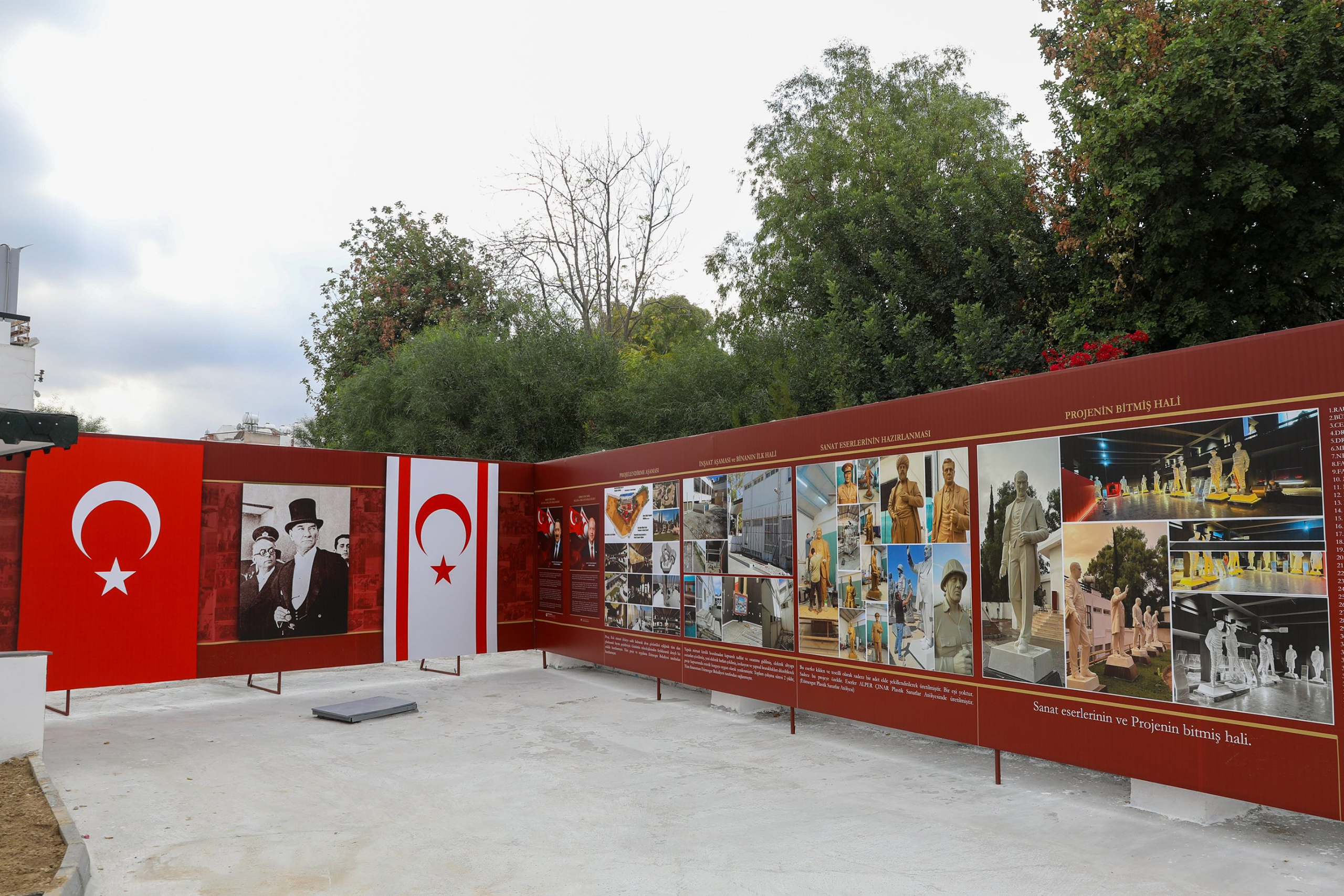
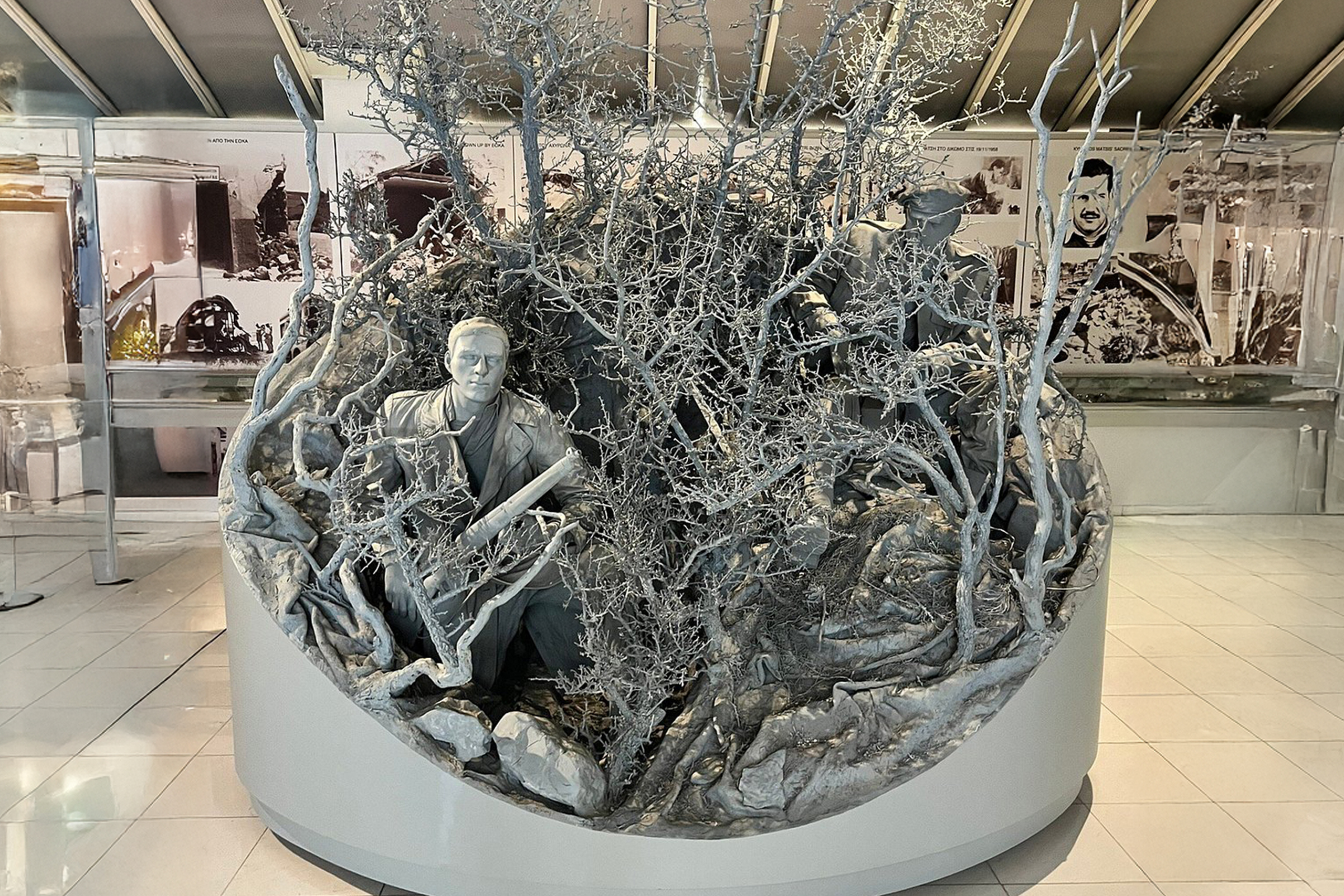
Exhibits include life-size statue scenes depicting key moments from the struggle. The museum displays weapons used by EOKA fighters, official British documents, photographs of operations and fallen fighters, and various forms of memorabilia related to the liberation movement. Some photographs show graphic images of Greek Cypriot fighters who were killed, including charred or dismembered bodies, providing visitors with an unfiltered view of the conflict’s violence.
The Path to Independence
By 1958, Greek Cypriot leader, Archbishop Makarios III, feared that partition was becoming imminent. Greece worried that the ongoing situation could lead to war with Turkey. Turkey faced crises at its eastern borders. The British government did not want NATO destabilized by a Greek-Turkish war.
On December 5, 1958, the foreign ministers of Greece and Turkey acknowledged the situation, and a series of meetings followed. These negotiations resulted in the London-Zurich Agreements signed on February 19, 1959. The compromise established that Cyprus would become an independent and sovereign country rather than uniting with Greece. Archbishop Makarios and Colonel Grivas accepted the agreements reluctantly, abandoning the goal of enosis, while Turkish Cypriot leadership welcomed the compromise enthusiastically.
Colonel Grivas issued a leaflet on March 9, 1959, declaring his acceptance of the London agreements and announcing a ceasefire on March 13, 1959. The EOKA struggle officially ended after four years of armed conflict. Cyprus formally achieved independence from the United Kingdom on August 16, 1960. Archbishop Makarios III was elected President and Fazil Küçük was elected Vice-President of the Republic of Cyprus on December 13, 1959.
Educational Mission and Modern Technology
The museum functions as more than a repository of historical artifacts. It positions itself as an educational center that instills awareness in future generations about Cyprus’s path to self-determination. The museum received 27,000 visitors in 2011, with most being students and foreign travelers. Schools regularly organize visits, and the museum provides guided tours for groups.
The museum offers free informational pamphlets in Greek, English, and German. The technological equipment includes projection capabilities for films that document the historical course of Cyprus. Computers with extensive material about the struggle are available for visitor research. The museum also features a bookstore where visitors can purchase books and memorabilia related to the independence movement.
The museum participates in annual events, including celebrations for International Museum Day in May, when it projects documentaries and organizes special guided tours. The Council of Historical Memory of the Liberation Struggle of EOKA 1955-1959 supports the museum’s activities and helps preserve the historical narrative.
Visiting the Museum Today
The Museum of the National Struggle offers free admission to all visitors. The museum operates Monday, Tuesday, Thursday, and Friday from 8:00 to 14:00. Wednesday hours are 15:00 to 17:00, except during July and August when the museum follows the morning schedule of 8:00 to 14:00. The museum remains closed on Saturdays and Sundays.
The facility includes wheelchair accessibility throughout the building. Toilets designed for people with wheelchairs are available. Marked parking spaces are located near the museum entrance. The compact size of the museum allows for a thorough visit in one to two hours, though visitors interested in reading all the displayed materials may need additional time.
The museum’s location near the Holy Archbishopric in the old walled city makes it easily accessible from other Nicosia attractions. The building sits in a central square area where several other historical and religious sites are within walking distance.
The Museum’s Role in Cypriot Memory
The Museum of the National Struggle preserves a contested and complex chapter of Cypriot history. For many Greek Cypriots, EOKA represents a heroic fight for self-determination against colonial rule. The museum presents the struggle as a fight for freedom and independence, honoring those who risked their lives for what they believed was a just cause.
The museum’s narrative focuses primarily on the Greek Cypriot perspective of the conflict. It presents EOKA fighters as patriots and freedom fighters who challenged British colonial power at great personal cost. This interpretation remains central to Greek Cypriot national identity and collective memory, though the events of 1955-1959 are viewed differently by Turkish Cypriots and British observers.
The museum documents how ordinary Cypriots participated in the liberation movement through various forms of resistance, from armed combat to providing support services. It shows how the conflict affected families, communities, and daily life across the island. By preserving these stories and artifacts, the museum ensures that younger generations understand the sacrifices made during the struggle for independence and the historical forces that shaped modern Cyprus.