All Articles

Stavrovouni–Lefkara Protected Landscape

Stavrovouni–Lefkara Protected Landscape

The Stavrovouni-Lefkara Hills region forms a distinctive landscape in southeastern Cyprus where forested mountain slopes meet traditional agricultural communities. The Stavrovouni Forest has an extent of approximately 19 square kilometres, with its highest peak reaching 688 metres at the center, where the historic monastery stands. This protected landscape extends from the Stavrovouni Forest in the east through the rolling hills surrounding the villages of Pano and Kato Lefkara. The terrain features pine-covered ridges, rocky outcrops, cultivated terraces, and valleys carved by seasonal streams. There are over 200 types of plants in the Stavrovouni Forest, 22 of them being endemic. The area serves as an important ecological corridor connecting different habitat types and supporting diverse wildlife populations across varying elevations and…

Read more

Cyprus Traditional Stone Villages

Cyprus Traditional Stone Villages

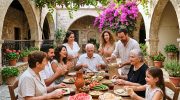
While modern cities rise along Cyprus's coasts, hidden in the island's hills and mountains are stone villages that have barely changed in centuries. These aren't open-air museums or tourist recreations—they're living communities where narrow cobblestone streets still wind past churches older than nations, where women still make lace using techniques passed down through generations, and where the rhythm of life follows patterns shaped by water, terrain, and survival. To visit these villages is to step into a Cyprus that exists outside of time, where the past and present speak to each other in stone, wine, and thread. Where Old Cyprus Still Lives Traditional Cypriot villages are the island's cultural heartbeat, preserving customs, crafts, dialects, and ways of life that have…

Read more
Troodos Mountains: Geology Shaped Cyprus

Troodos Mountains: Geology Shaped Cyprus

The Troodos Mountains are one of the world’s clearest places to walk through ancient oceanic crust, preserved as an ophiolite and lifted above sea level in the centre of Cyprus. This exposed seafloor sequence helped scientists understand plate tectonics and later shaped Cypriot history by concentrating copper deposits, influencing climate, and supporting mountain settlement and tradition. This article explains how Troodos formed, how to “read” its layers across the landscape, and why the range connects deep geology with everyday life on the island. A Mountain Made from Seafloor At first glance, Troodos looks like a typical Mediterranean highland: pine forests, winding roads, cool air in summer. What lies beneath, however, is extraordinary. The mountains are formed from an ophiolite, a…

Read more
Cypriot Kinship: The Island’s Social Infrastructure

Cypriot Kinship: The Island’s Social Infrastructure

In Cyprus, extended family networks function as everyday infrastructure, shaping housing choices, childcare, financial support, and even the way people speak to one another. Although household sizes have shrunk and life is more urban, kinship still acts as the island’s most reliable safety net, especially when costs rise or institutions fall short. This article explains how these networks operate across multiple homes, how property and inheritance keep resources inside families, and why grandparents and diaspora ties remain central to modern Cypriot life. Family as the Island’s First Safety Net Long before modern welfare systems existed, Cypriot families learned to rely on themselves. The island's history of foreign rule, displacement, and economic uncertainty reinforced a simple reality: security came from kinship.…

Read more
Cyprus Stone Mosaics Stories

Cyprus Stone Mosaics Stories

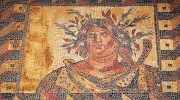
Beneath the feet of visitors in ancient Cypriot villas and churches lie millions of tiny colored stones arranged into gods, heroes, beasts, and sacred symbols. These mosaics aren't just beautiful floors—they're historical documents that record how Cyprus transformed from a world of Greek myths to Christian faith, all while maintaining artistic traditions that stretched across centuries. Walking over these ancient artworks means literally standing above stories that shaped Mediterranean civilization. Art Underfoot Mosaic art transforms floors into narratives. Instead of hanging paintings on walls, ancient Cypriots created elaborate scenes from thousands of small stone cubes called tesserae, pressing them into wet mortar to form images that would last millennia. These weren't simple decorative patterns—they were complex compositions showing mythological dramas,…

Read more
Cyprus Village Square Programs

Cyprus Village Square Programs

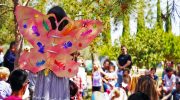
In Cyprus, summer does not fully arrive until the village square comes alive. As daylight softens and the heat loosens its grip on stone, quiet plateias begin to change character. Chairs appear as if by instinct. A few strings of lights are lifted overhead. Someone tests a violin line that hangs in the warm air for a second, then returns, clearer the next time. Little by little, the square becomes what it has been for centuries: a place where people gather not because they were told to, but because the evening feels incomplete without it. These village cultural programs are not staged spectacles designed for crowds. They are communal summer evenings shaped by habit, hospitality, and rhythm, where locals and…

Read more
Syrtos of Cyprus

Syrtos of Cyprus

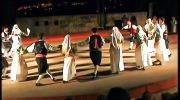
Syrtos of Cyprus (Local Variants) is a restrained, grounded dance form that emphasizes communal movement and continuity, with subtle differences from mainland Greek versions shaped by the island's unique cultural blend. Performed in circles or lines, it features slow, deliberate steps that foster group harmony and emotional expression, often accompanied by laouto and violin. This dance reflects Cyprus's historical crossroads, preserving ancient rhythms while adapting to local traditions, making it a living symbol of the island's resilient spirit. A Timeless Dance Form Syrtos in Cyprus represents a core element of the island's folk dance heritage, a form where participants link hands in a circle or line, moving with measured, flowing steps that prioritize collective rhythm over individual flair. Unlike more…

Read more
Royal Tombs of Tamassos In Cyprus

Royal Tombs of Tamassos In Cyprus

Southwest of Nicosia, near the modern village of Politiko, stand two monumental burial chambers that tell the story of ancient Cyprus's wealthiest inland kingdom. The Royal Tombs of Tamassos represent the height of 6th century BCE Cypriot architecture and demonstrate the immense prosperity that copper mining brought to this ancient city-kingdom. These tombs, carved from limestone blocks and built to resemble wooden houses, remain among the most impressive examples of pre-Hellenistic burial architecture on the island. The Royal Tombs of Tamassos are two monumental burial chambers constructed in the mid-6th century BCE. They belonged to the local rulers or elite aristocrats of the ancient city-kingdom of Tamassos, one of the ten major kingdoms of ancient Cyprus. The tombs were built…

Read more
The Ancient Gods and Goddesses of Cyprus

The Ancient Gods and Goddesses of Cyprus

Long before saints and churches, Cyprus was home to powerful gods and goddesses whose temples dotted the island and whose myths shaped Mediterranean culture. From Aphrodite rising from the sea foam to warrior deities protecting cities, Cyprus's ancient pantheon blended Greek, Phoenician, and local traditions into something uniquely Cypriot — and traces of these divine beings still linger in the landscape today. A Crossroads of the Divine Ancient Cyprus didn't worship just one set of deities. Instead, the island's position at the crossroads of Greek, Near Eastern, and Egyptian civilizations created a rich religious tapestry where different cultures' gods merged, borrowed from each other, and sometimes became the same deity under different names. From the Bronze Age onward, Cypriots worshipped…

Read more