All Articles

Polis–Chrysochous Coast

Polis–Chrysochous Coast

The Polis-Chrysochous coast represents one of Cyprus's most ecologically valuable marine environments. Stretching along the northwestern shore of the island around Chrysochous Bay, this protected area encompasses the waters from the Akamas Peninsula to the villages of Pomos and Pachyammos. The sea surrounding the area is considered a hot spot for its marine biodiversity on a global scale, and an important and fertile habitat or refuge for many living organisms. The coastal waters support extensive Posidonia oceanica seagrass meadows, vital breeding grounds for endangered sea turtles, and populations of critically threatened Mediterranean monk seals. The region gained protected status through designation as part of the Natura 2000 network, recognizing its exceptional ecological significance. The combination of pristine beaches, rocky reefs,…

Read more
Cultural and Heritage Travel Planning

Cultural and Heritage Travel Planning

Cyprus offers exceptional cultural heritage concentrated in a small Mediterranean island. Three UNESCO World Heritage Sites showcase Byzantine art, Roman mosaics, and Neolithic settlements spanning over 9,000 years of continuous habitation. The island sits at the crossroads of Europe, Asia, and Africa, creating a unique blend of Greek, Byzantine, Ottoman, and British influences. Cultural travelers find well-preserved monuments, traditional villages practicing ancient crafts, and living Orthodox traditions. The compact geography allows visiting multiple historical periods and cultural expressions within short distances. This concentration of heritage makes Cyprus particularly efficient for travelers seeking deep cultural immersion without extensive travel between sites. The Three UNESCO World Heritage Sites Paphos became Cyprus's first UNESCO World Heritage Site in 1980. The Paphos Archaeological Park…

Read more
Roman Paphos Odeon

Roman Paphos Odeon

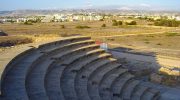
The Ancient Odeon of Paphos stands on the slopes of Fabrica Hill as one of Cyprus's most elegant survivors from Roman times. Built entirely from carefully carved limestone blocks in the 2nd century AD, this semicircular amphitheater today hosts both visitors and live performances in a setting that connects modern audiences with ancient traditions. The Odeon began its life during the Hellenistic period when Paphos served as the capital of Ptolemaic Cyprus. The theater formed part of the Agora complex in the northern center of the ancient city. During the 2nd century AD, the Romans altered and expanded the structure to its present form. The builders integrated the theater into the natural slope of Fabrica Hill, cutting most of the…

Read more
Cyprus Red Polished Pottery

Cyprus Red Polished Pottery

Red Polished Pottery Tradition is a distinctive ceramic style descended from prehistoric techniques, hand-shaped and finished with a glossy red slip that has become one of Cyprus's most iconic material legacies. Dating back to the Early Bronze Age, it features simple forms and incised decorations that reflect daily life and ritual practices on the island. This tradition highlights how ancient Cypriots transformed local clay into enduring symbols of their culture, leaving a legacy that continues to intrigue archaeologists and artisans alike. https://www.youtube.com/watch?v=fLQXOuuSjvU A Timeless Ceramic Heritage Red Polished Pottery, known locally as a hallmark of ancient Cypriot craftsmanship, represents a fundamental aspect of the island's early material culture. This style emerged from basic hand-building methods using local resources, resulting in…

Read more
Active Travel Routes for Walkers and Cyclists in Cyprus

Active Travel Routes for Walkers and Cyclists in Cyprus

Cyprus offers diverse terrain for walkers and cyclists, from coastal paths to mountain trails. The island covers 9,251 square kilometers and features everything from sea-level beaches to Mount Olympus at 1,952 meters. With approximately 90 walking trails and 45 designated cycling routes, Cyprus attracts outdoor enthusiasts year-round. The compact size means you can experience dramatic changes in scenery within short distances. Most trails are managed by the Department of Forests, while villages maintain additional local routes. The infrastructure includes marked paths, information boards, and benches at viewpoints, making exploration accessible to various fitness levels. The Historical Development of Active Routes Cyprus developed its trail network gradually over decades. The E4 European Long Distance Path section opened in 2005, connecting Larnaca…

Read more
Daily Village Life in Cyprus – Community and Support

Daily Village Life in Cyprus – Community and Support

Daily village life in Cyprus revolved around close-knit family networks, communal labor, religious observances, and social gatherings that defined rural existence. Villages functioned as extended families where relatives lived in adjacent compounds, sharing courtyard spaces, agricultural tools, and economic responsibilities across generations. The rhythm of days followed agricultural cycles, with sunrise fieldwork interrupted by midday meals and coffee breaks, followed by afternoon labor and evening social gatherings in village squares. Women drew water from communal fountains where they exchanged information while washing clothes and filling vessels, creating female social networks parallel to male coffee shop culture. Children grew up supervised by grandparents, aunts, and neighbors who collectively ensured safety and transmitted traditional knowledge through daily interaction. This interconnected social structure…

Read more
Saint Paul and Barnabas

Saint Paul and Barnabas

In 45 or 46 AD, two travelers arrived on the eastern coast of Cyprus at the port city of Salamis. Their names were Paul and Barnabas, accompanied by a younger assistant named John Mark. Historians and biblical scholars associate this journey with the early expansion of Christianity beyond Palestine, and Cyprus became one of the first regions where these teachings reached wider Mediterranean communities. The island later developed into an important center of early Christian administration and Byzantine religious culture. Barnabas was originally from Cyprus, born in Salamis to a Jewish family traditionally associated with the tribe of Levi. Historical religious texts identify his original name as Joseph, while the name Barnabas was later adopted within the early Christian community…

Read more
Cyprus Coastal Seafood Festivals

Cyprus Coastal Seafood Festivals

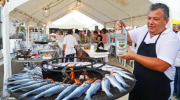
Seafood festivals in Cyprus are joyful coastal celebrations that bring together food, tradition, and community life. Held mainly in seaside towns such as Zygi, Latchi, Limassol, Larnaca, and Paphos, these events reflect the island’s long relationship with the sea and its fishing heritage. Through simple dishes, shared tables, and open harbors, they offer an easy and memorable way to experience Cyprus beyond the beach. What Are Seafood Festivals in Cyprus? Seafood festivals in Cyprus are local events that celebrate fishing culture and fresh Mediterranean seafood. They are usually organized by municipalities, community councils, or local fishing groups and take place near harbors, marinas, or coastal promenades. Some are clearly defined annual festivals, while others are part of broader cultural or…

Read more
Village Saints of Cyprus – Local Veneration Traditions

Village Saints of Cyprus – Local Veneration Traditions

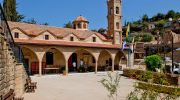
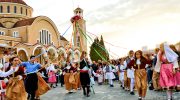
Cyprus has a long historical relationship with early religious movements introduced to the island during the 1st century, which influenced its later social and cultural development. Over time, a large number of historical and semi-legendary figures became embedded in local traditions, with their stories preserved through oral history, village customs, and regional identity. Across the island, many villages associate themselves with a specific historical or symbolic figure. These associations are reflected in annual community festivals known as panigyria, which combine commemorative ceremonies with food markets, music, and public gatherings. The result is a tradition that connects medieval heritage with modern village life. These village-based commemorations function as a form of cultural continuity, linking local identity to historical narratives that have…

Read more