Seafood festivals in Cyprus are joyful coastal celebrations that bring together food, tradition, and community life. Held mainly in seaside towns such as Zygi, Latchi, Limassol, Larnaca, and Paphos, these events reflect the island’s long relationship with the sea and its fishing heritage. Through simple dishes, shared tables, and open harbors, they offer an easy and memorable way to experience Cyprus beyond the beach.
- What Are Seafood Festivals in Cyprus?
- Roots in Coastal Life and Fishing Traditions
- Key Features That Define These Festivals
- Interesting Facts That Add Local Flavor
- Regional Highlights: Limassol, Larnaca, and Paphos
- Going a Bit Deeper: Cultural Meaning and Social Role
- Why Seafood Festivals Still Matter Today
- Practical Information for Visitors
- A Living Celebration of Sea and Community
What Are Seafood Festivals in Cyprus?
Seafood festivals in Cyprus are local events that celebrate fishing culture and fresh Mediterranean seafood. They are usually organized by municipalities, community councils, or local fishing groups and take place near harbors, marinas, or coastal promenades. Some are clearly defined annual festivals, while others are part of broader cultural or religious celebrations that include seafood as a central element.
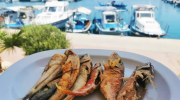
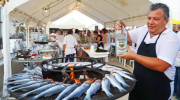
At their core, these festivals focus on sharing freshly prepared fish and seafood in a relaxed, social setting. Visitors can expect grilled fish, octopus, calamari, and traditional fish meze served alongside music, conversation, and sea views. The atmosphere is informal and welcoming, designed to bring locals and visitors together rather than impress with spectacle.
Roots in Coastal Life and Fishing Traditions
Cyprus has always been shaped by the sea. For centuries, small coastal communities relied on fishing not only for food but for trade, identity, and survival. Harbors doubled as social spaces, where news was exchanged, and daily life unfolded around the rhythm of boats coming and going.
Seafood festivals grew naturally from this way of life. What began as simple communal meals to celebrate a good catch or a religious feast gradually evolved into organized events. As tourism expanded, municipalities recognized these gatherings as a way to preserve local traditions while sharing them with a wider audience. Rather than replacing old customs, festivals helped formalize them, keeping fishing culture visible in modern Cyprus.
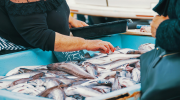
Today, these events still reflect that origin. Many are held in working harbors rather than purpose-built venues, and fishermen often play an active role, cooking, demonstrating techniques, or speaking with visitors about their trade. This historical continuity is a key reason seafood festivals feel authentic rather than staged.
Key Features That Define These Festivals
Although each coastal town brings its own character, seafood festivals across Cyprus share a set of defining qualities that make them immediately recognizable and easy to enjoy:
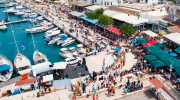
The setting is always central. Most festivals take place directly by the sea, in working harbors, marinas, or waterfront promenades where fishing boats are still part of daily life. The sound of water, the movement of boats, and the scent of grilled fish create a sensory connection that feels authentic rather than staged.
Food preparation remains deliberately simple. Fish is grilled over charcoal, lightly fried, or served as part of a traditional meze, accompanied by lemon, olive oil, herbs, and bread. This approach prioritizes freshness and local produce over elaborate techniques, reflecting the practical culinary traditions of coastal communities.
Community involvement is another defining feature. Local councils, fishermen’s associations, and volunteers collaborate to organize these events, which keep them rooted in everyday life rather than commercial spectacle. The emphasis on shared tables and informal eating encourages conversation and movement, turning the festival into a social gathering rather than a formal dining experience.
Interesting Facts That Add Local Flavor
Small details often shape how visitors remember these festivals long after they leave. In some villages, fishermen prepare invasive species such as lionfish to raise awareness about marine conservation. Traditional methods for tenderizing octopus are still demonstrated, preserving techniques passed down through generations.
Many festivals keep entry free and food affordable to ensure that local families can participate alongside visitors. Live music is typically performed by local musicians, often using folk instruments rather than recorded soundtracks, reinforcing the connection to regional culture. Some events coincide with religious or seasonal dates, blending spiritual traditions with everyday coastal life.
These elements give each festival its own personality while reinforcing a shared cultural identity shaped by the sea.
Regional Highlights: Limassol, Larnaca, and Paphos
While seafood festivals take place across Cyprus, Limassol, Larnaca, and Paphos represent three distinct coastal expressions of this tradition.
Paphos and the Northwestern Coast
In the Paphos district and the northwestern coast, festivals in places such as Latchi and nearby villages tend to feel closely tied to local life. These gatherings are often smaller and more traditional, focusing on hospitality, simple dishes, and direct interaction with fishermen. The atmosphere is calm and community-oriented, offering insight into fishing culture as it continues today.
Larnaca and the Southern Coast
Larnaca and the southern coast are often considered the culinary heart of Cyprus’s seafood scene. Villages such as Zygi are nationally known for their fishing heritage and fish taverns, and festivals here can be lively and well attended. Professional fishermen frequently participate directly, showcasing catches, demonstrating techniques, and sometimes offering boat rides, allowing visitors to see the journey from sea to plate within hours.
Limassol and the Urban Waterfront
Limassol presents a more urban interpretation of coastal celebration. Along the Molos promenade and Limassol Marina, seafood events often feel more curated and polished, blending fishing heritage with modern city life. Even here, the connection to the sea remains visible, showing how maritime traditions adapt within a cosmopolitan setting.
Going a Bit Deeper: Cultural Meaning and Social Role
Beyond food and entertainment, seafood festivals play an important cultural role in contemporary Cyprus. They function as living reminders of maritime identity at a time when fewer people work directly in fishing. By placing fishermen and their practices at the center of public events, these festivals help preserve knowledge, skills, and respect for the marine environment.
They also strengthen social bonds. Preparing food together, sharing public space, and welcoming visitors reinforces local pride and continuity. For younger generations, festivals offer a tangible connection to traditions that might otherwise feel distant in a rapidly modernizing society.
In some cases, festivals are supported by regional development initiatives designed to keep coastal villages economically active. This highlights how culture, food, tourism, and sustainability intersect in modern Cypriot life.
Why Seafood Festivals Still Matter Today
Seafood festivals remain relevant because they balance tradition with contemporary change. They support local economies, promote regional identity, and encourage responsible appreciation of marine resources.
For visitors, they provide a grounded way to experience Cyprus that goes beyond beaches and resorts. Participation is simple: eat, listen, walk, and observe. For locals, the festivals reaffirm the value of coastal life at a time when urban development and mass tourism can overshadow smaller communities.
In this way, seafood festivals act as both celebration and preservation, ensuring that maritime culture remains visible and valued.
Practical Information for Visitors
Most seafood festivals are easy to attend and require minimal planning. They often take place in spring or late summer, with some linked to religious calendars such as Kataklysmos. Entry is typically free, with food purchased from stalls or provided by organizers.
The atmosphere is informal and family-friendly, and English is widely spoken in tourist areas, although Greek music and announcements are common. Harbors and promenades are generally accessible, allowing visitors to move freely and explore at their own pace. Evening hours are especially popular, when coastal settings feel most atmospheric.
A Living Celebration of Sea and Community
Seafood festivals along Cyprus’s coast are more than seasonal events. They are living expressions of a relationship between people and the sea that continues to shape island life. Through simple food, open spaces, and shared traditions, these gatherings connect past and present in a way that feels natural and welcoming.
Whether in the quiet harbors of Paphos, the vibrant fishing villages near Larnaca, or the modern waterfronts of Limassol, seafood festivals offer a meaningful lens into Cypriot culture. They show that heritage does not always reside in monuments or museums. Sometimes, it lives best around a grill by the sea, shared among neighbors and visitors alike, reflecting the enduring maritime spirit of the island.