All Articles

Cyprus Youth Leadership Networks

Cyprus Youth Leadership Networks

In Cyprus, civic life is often learned long before formal politics, through scouts, youth clubs, cultural groups, and community projects where responsibility has real consequences. These organisations teach leadership through practice, from organising festivals and rehearsals to running clean-ups and coordinating volunteers, so accountability becomes a habit rather than an idea. This article explains the main youth pathways into civic participation, how they build trust across communities, and why these structures remain one of Cyprus’s most resilient sources of social cohesion. Civic learning outside the classroom Much of Cyprus's youth engagement happens through non-formal education. Unlike school curricula, these settings emphasise participation over instruction. Young people learn by organising events, managing groups, resolving disagreements, and working toward shared goals that…

Read more


Religious Processions with Musical Accompaniment in Cyprus

Religious Processions with Musical Accompaniment in Cyprus

In Cyprus, religious processions are not confined to church interiors. On major feast days, faith moves outward, carried through streets, village lanes, and open squares by chanting voices, ringing bells, and slow communal steps. These processions turn ordinary space into sacred ground, if only for an evening. They are not performances staged for an audience, but living traditions that reveal how religion, sound, and community remain tightly bound in Cypriot life. What makes them unforgettable is often the sound. Not a concert sound, not a soundtrack added for effect, but the steady human voice, the measured toll of bells, the hush that falls over a neighbourhood when an icon approaches. In Cyprus, sacred music is not something you only listen…

Read more
Cyprus Tourist Shuttle Transport

Cyprus Tourist Shuttle Transport

Tourist areas across Cyprus rely on enhanced shuttle services during peak summer months to move visitors between hotels, beaches, attractions, and entertainment venues. These seasonal routes operate with extended hours and increased frequency compared to regular year-round schedules. Understanding how these services work helps tourists maximize their time and budget while exploring the island. How Summer Schedules Differ from Winter Service The summer program for tourist shuttles typically begins in mid-May and runs through September or October. In Ayia Napa and Protaras, buses operate from 6:15 AM until 4:00 AM the following day during peak season. This extended service accommodates the nightlife culture of these resort towns, where clubs and bars stay open past midnight. Regular winter schedules run considerably…

Read more
Cypriot Religious Songs Poetry

Cypriot Religious Songs Poetry

Ecclesiastical and theological themes have influenced the evolution of Cypriot music and literature for over two thousand years. These creative expressions developed alongside the island's long administrative and cultural history, integrating early Mediterranean traditions with a distinct local character. From solemn church hymns to joyful seasonal carols, religious content touches nearly every aspect of traditional Cypriot music. The themes range from celebrations of Christ's birth to lamentations of the Virgin Mary, from praise of local saints to prayers for protection. From formal liturgical chants to festive community carols, these motifs appear frequently throughout the history of traditional Cypriot composition. The subject matter typically centers on significant historical figures, regional narratives, and various traditional invocations for community safety. Byzantine Roots and…

Read more
Cyprus Religious Life: Family in Rhythm

Cyprus Religious Life: Family in Rhythm

Religious family celebrations in Cyprus structure the year, linking church life to home routines through repeated gatherings, shared food, and public ritual. Easter, Christmas, Name Days, and village panigyria work as social glue because they bring generations into the same spaces, reinforce kinship roles, and keep hospitality active rather than symbolic. This article explains how the calendar shapes family behaviour, what key celebrations look like in practice, and why these rituals still provide continuity in modern Cypriot life. A Calendar That Shapes Everyday Life The rhythm of Cypriot family life follows the Orthodox Christian calendar, which blends fixed feast days like Christmas with movable celebrations centred on Easter. This structure does not simply schedule holidays. It divides the year into…

Read more
Cyprus Rocky Coastal Ecosystems

Cyprus Rocky Coastal Ecosystems

Rocky Coastal and Cliff Ecosystems are specialized habitats along Cyprus's shoreline, where flora and fauna have adapted to limestone cliffs, constant sea spray, and arid conditions. These ecosystems, featuring rugged vertical faces and narrow ledges, support resilient plants like sea lavender and animals such as the Mediterranean monk seal, creating a unique blend of marine and terrestrial life. They highlight the island's geological diversity, where erosion and salt exposure forge niches for species found nowhere else, underscoring the delicate balance of coastal biodiversity. A Specialized Habitat Along the Shore Rocky coastal and cliff ecosystems in Cyprus form dramatic landscapes where vertical limestone walls meet the sea, shaped by waves, wind, and salt spray. These habitats, spanning much of the island's…

Read more
Copper Identity of Cyprus

Copper Identity of Cyprus

The island of Cyprus owes more than just its prosperity to copper. The very name of this Mediterranean nation comes from the ancient Greek word Kúpros, which scholars believe connects to the metal that defined its economy for over 4,000 years. The English word "copper" itself derives from the Latin phrase aes cyprium, meaning "metal of Cyprus." This linguistic connection reveals a fundamental truth: Cyprus and copper are so deeply intertwined that ancient civilizations could not think of one without the other. From the fourth millennium BC to the Roman Empire and beyond, copper mining transformed Cyprus from a small island into a major economic power in the ancient world. The Ancient Discovery That Changed Everything Copper production on Cyprus…

Read more
Cyprus Youth Music and Dance Initiatives

Cyprus Youth Music and Dance Initiatives

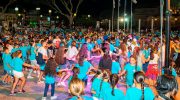
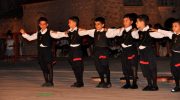
In Cyprus, music and dance often arrive in a young person’s life long before anyone calls them “heritage.” They appear in school assemblies, in family celebrations, and in the easy confidence of a village circle dance that seems to know its own steps. Youth initiatives across the island connect inherited traditions with contemporary expression, shaping identity and confidence while helping the next generation reinterpret culture in a society built at a crossroads. A Cultural Education That Starts Early For many children, traditional rhythms and movements are first encountered casually, through school programs, local associations, or community gatherings, where participation matters more than perfection, and the goal is simply to join in. Two learning paths tend to develop side by side.…

Read more
Nea Paphos Basilica Mosaics

Nea Paphos Basilica Mosaics

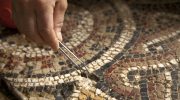
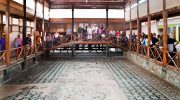
The basilica mosaics of Nea Paphos show how Cyprus shifted from Roman myth culture to Christian worship without abandoning its strongest visual craft. Using familiar techniques, artists replaced narrative gods and heroes with symbols, vines, animals, and geometry that guided movement and reinforced theology inside new communal basilicas. This article explains how the change happened across key churches in Kato Paphos, what motifs were repurposed, and why these floors remain one of the clearest records of cultural adaptation on the island. Mosaics You Miss at First Long before Christianity reached Cyprus, Nea Paphos was already a city of mosaics. As the island’s administrative capital during the Hellenistic and Roman periods, it developed a strong tradition of floor decoration in elite…

Read more