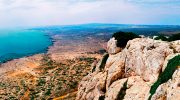
Rocky Coastal and Cliff Ecosystems are specialized habitats along Cyprus’s shoreline, where flora and fauna have adapted to limestone cliffs, constant sea spray, and arid conditions. These ecosystems, featuring rugged vertical faces and narrow ledges, support resilient plants like sea lavender and animals such as the Mediterranean monk seal, creating a unique blend of marine and terrestrial life. They highlight the island’s geological diversity, where erosion and salt exposure forge niches for species found nowhere else, underscoring the delicate balance of coastal biodiversity.
- A Specialized Habitat Along the Shore
- Formation Through Geology and Time
- Features of Flora and Fauna
- Notable Aspects That Highlight Its Uniqueness
- Deeper Ecological and Cultural Impacts for Cyprus’s Biodiversity
- Rocky Coastal and Cliff Ecosystems in Cyprus Today
- Opportunities for Exploration
- An Ecosystem of Adapted Life
A Specialized Habitat Along the Shore
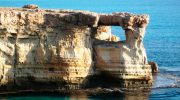
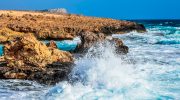
Rocky coastal and cliff ecosystems in Cyprus form dramatic landscapes where vertical limestone walls meet the sea, shaped by waves, wind, and salt spray. These habitats, spanning much of the island’s 648km coastline from Cape Arnaouti to Cape Greco, endure arid conditions with rainfall under 400mm annually and constant aerosol from breaking waves. Flora clings to crevices, with roots penetrating rock for stability, while fauna exploits sheltered nooks for breeding. This environment supports over 200 plant species and 50 reptiles, many endemic, making it a key biodiversity zone. Sea spray deposits salt, creating halophytic conditions that select for adapted life, while cliffs’ height (up to 100m at Episkopi) provides isolation, promoting speciation.
Formation Through Geology and Time
These ecosystems emerged from Miocene limestone deposits 5–23 million years ago, uplifted by tectonics, as per Cyprus Geological Survey studies. Wave erosion carved cliffs over millennia, with sea level changes since the Pleistocene (2.5 million years ago) forming terraces. Historical records from ancient times, like Strabo’s Geography (1st century BC), describe “rugged shores” for navigation hazards. Neolithic humans (7000 BC) at Aetokremnos cliff used caves for shelter, as excavations show.
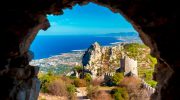
Bronze Age (2500 BC) settlements at Cape Andreas exploited cliffs for defense, with pottery depicting sea life. Byzantine era (4th–15th centuries AD) hermits occupied cliff caves, like at Agia Solomoni, influencing place names. Lusignan rule (1192–1489) built watchtowers on cliffs for pirates, as chronicles note. Venetian (1489–1571) forts used heights for signals, while Ottoman (1571–1878) fishermen adapted to spray for salt collection, as Ali Bey described in 1806.
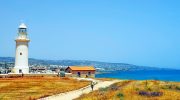
British colonial rule (1878–1960) mapped cliffs for lighthouses, with 1920s reports noting erosion. Post-1960, climate data shows 10% cliff retreat since 1950 from rising seas.
Features of Flora and Fauna
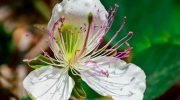
Limestone cliffs, porous and alkaline, retain moisture in fissures, supporting flora like caper bushes (Capparis spinosa) with deep roots and waxy leaves for spray resistance. Sea spray enriches soil with sodium, favoring halophytes like rock samphire (Crithmum maritimum), edible and medicinal. Arid conditions, with summers at 30°C and low rain, select for succulents like sea fennel.
Fauna adapts: reptiles like the Cyprus whip snake (Hierophis cypriensis) scale walls for prey, with 10 species endemic. Birds such as peregrine falcons nest on ledges, hunting from heights, with 50 species using cliffs for breeding. Pollinators like solitary bees burrow in soft rock, supporting 100 plant species.
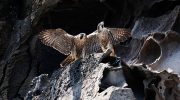
Cliff height creates microclimates: lower zones saltier, upper cooler with more soil for shrubs.
Notable Aspects That Highlight Its Uniqueness
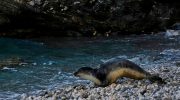
One captivating feature is “sea caves” – eroded hollows hosting monk seals, with 10 individuals in Akamas per MEDPAN surveys. Cape Greco cliffs hold Cyprus’s reptile diversity record with 15 species. Brine flora like Limonium sinuatum blooms yellow in spring, a sight in May. And legends claim cliffs were giants’ homes, tying to myths in ancient texts like Homer’s Odyssey (8th century BC).
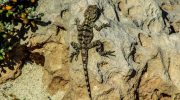
Fauna adaptations include the starred agama’s (Laudakia stellio) color change for camouflage, studied by Herpetological Society with 2,000 sighted yearly. Spray creates “salt gardens” with crystal formations, photographed for art.
Deeper Ecological and Cultural Impacts for Cyprus’s Biodiversity
These ecosystems conserve biodiversity, with cliffs acting as barriers for endemism – 20% of Cyprus’s reptiles are cliff-dwellers. They support pollinators like hoverflies on capers, aiding 70% of coastal plants. This fosters food webs: insects feed lizards, lizards birds, bird droppings enrich soils.
Culturally, cliffs influenced myths like sea monsters, and festivals like Kataklysmos with cliff dives celebrating renewal. Socially, they provided livelihoods – Venetian guano collection for fertilizer, Ottoman fishing from ledges. The climate’s balance has sustained habitats, with 150 bird species nesting, but climate change risks erosion from sea rise, per EU reports predicting 30% cliff loss by 2100.
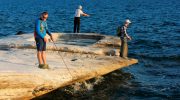
Human impacts include ancient quarrying for stone, with Roman mines at Kavo Greko altering habitats, as studied in geoarchaeology by David Sewell.
Rocky Coastal and Cliff Ecosystems in Cyprus Today
Rocky coastal and cliff ecosystems continue to define Cyprus’s shores, with sea spray supporting tourism – over 200,000 visitors annually for cliff hikes at Cavo Greko. Climate change accelerates erosion, with cliffs retreating 0.5m yearly per Geological Survey data, leading to 15% habitat loss. Biodiversity faces threats, with conservation by the Environment Department protecting seals through marine parks since 2010. Fauna like agamas benefit from anti-climbing fences, increasing populations by 20%. Modern adaptations include eco-paths for viewing, reducing impact by 40%. This ecosystem shapes identity, with festivals like “Cliff Day” in Peyia celebrating wildlife, blending ancient rites with contemporary eco-tourism.
Opportunities for Exploration
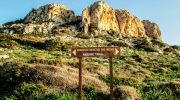
Cavo Greko National Park offers cliff trails for reptile spotting, open year-round with free entry. Guided fauna tours by the Cyprus Tourism Organization cost €15–20 to see birds. Winter seal watching at caves has observatories, no fee. Spring flora hikes in April pair with village stays for insights. Many sites have online cams for remote viewing.
An Ecosystem of Adapted Life
Rocky Coastal and Cliff Ecosystems, with specialized flora and fauna adapted to limestone, sea spray, and aridity, define Cyprus’s shoreline diversity. This pattern’s balance has fostered unique habitats and human ingenuity, from ancient myths to modern challenges. Knowing it deepens appreciation for Cyprus as a resilient coastal haven. Engagement with its species or zones evokes wonder at nature’s adaptations. In a changing climate, it reminds of the need to safeguard this delicate balance.