Tourist areas across Cyprus rely on enhanced shuttle services during peak summer months to move visitors between hotels, beaches, attractions, and entertainment venues. These seasonal routes operate with extended hours and increased frequency compared to regular year-round schedules. Understanding how these services work helps tourists maximize their time and budget while exploring the island.
How Summer Schedules Differ from Winter Service
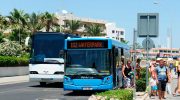
The summer program for tourist shuttles typically begins in mid-May and runs through September or October. In Ayia Napa and Protaras, buses operate from 6:15 AM until 4:00 AM the following day during peak season. This extended service accommodates the nightlife culture of these resort towns, where clubs and bars stay open past midnight.

Regular winter schedules run considerably shorter hours, usually ending between 9:00 PM and 11:00 PM. The frequency also drops, with buses arriving every 30 to 60 minutes instead of every 15 to 20 minutes during summer. Some routes that operate hourly in peak season may reduce to just a few daily runs in winter.
Paphos extends its tourist routes during summer months but maintains more modest hours compared to Ayia Napa. Buses along the coastal road connecting Paphos Harbour to Coral Bay run frequently during daytime and into evening hours, serving the steady flow of beach visitors and hotel guests.
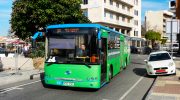
Limassol’s route 30, the main coastal line serving the tourist area, maintains year-round service but increases frequency in summer. The route connects hotels, beaches, the Marina, and shopping centers along the entire seafront from east to west.
The Main Tourist Routes in Ayia Napa and Protaras
Route 101 and 102 form the backbone of tourist transport in the Ayia Napa and Protaras area. These buses connect the two resort towns, passing through Konnos Bay, Cape Greco, and Paralimni. During peak season, buses depart every 15 minutes, making the journey between Ayia Napa and Protaras take approximately 27 minutes.

Route 201 operates as a circle line within Ayia Napa itself. The bus starts at the central station behind the Paliatso fun fair and loops through Nissi Beach, the harbor, the monastery square, and various hotel zones. This route allows tourists to explore different parts of town without returning to the central station each time.
Routes 501 and 502 connect Ayia Napa with Deryneia near the Green Line, passing through Paralimni and stopping at Famagusta General Hospital. These routes serve both tourists interested in visiting the ghost town viewpoint at Deryneia and residents needing healthcare access.
The waterpark receives dedicated service through multiple routes. Buses display “Ayia Napa Waterpark” on their destination boards, making them easy to identify for families planning day trips to this popular attraction.
Paphos Coastal Shuttle Network for Beach Access
Route 615 represents the most popular tourist shuttle in Paphos, connecting the harbor area with Coral Bay. The bus passes numerous hotels, the Tombs of the Kings archaeological site, and beach access points along the way. Summer frequency ensures tourists rarely wait more than 20 to 30 minutes for service.

Route 610 links Paphos Harbour with the Old Town area of Ktima. This short route runs frequently and serves tourists who want to explore both the coastal attractions and the historic center with its shops, restaurants, and traditional architecture.
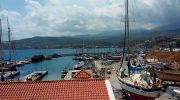
Route 611 provides access to Agios Georgios Pegeia, a scenic area north of Paphos known for natural beauty and a small fishing port. The route passes through Chloraka and Kissonerga villages, offering tourists a glimpse of residential areas beyond the main resort zones.
Paphos Zoo operates free shuttle services from Coral Bay during summer months, though these are private services separate from the public bus system. Tourists take route 615 to Coral Bay and then transfer to the zoo shuttle.
Limassol Beach Road Service Throughout Summer
Route 30 runs the entire length of Limassol’s seafront, from My Mall in the west to the Le Meridien Hotel near the Amathus archaeological site in the east. During summer, buses arrive every 10 to 15 minutes, making this one of the most frequent services in Cyprus.

The route serves the new port, the old harbor area near Limassol Castle, the Marina development, and dozens of hotels and restaurants along the beach road. Tourists can hop on at any marked stop and reach virtually any coastal destination within the city limits.
Route 31 provides additional coverage of the eastern tourist area around Germasogeia, while route 16 connects the city center with Kourion archaeological site. Route 17 serves Kolossi Castle, allowing tourists to visit these historical attractions using public transport.

Beach access points along the route include the municipal beaches, Lady’s Mile Beach via connection, and numerous hotel beach zones. The service removes the need for rental cars when staying in beachfront accommodations.
When Seasonal Service Creates Better Value
Families with children find extended summer hours particularly valuable. Parents can take young children back to hotels for afternoon rest periods and then return to beaches or attractions in the evening using late shuttle services. This flexibility proves impossible with standard daytime-only transport.
Groups visiting nightlife venues in Ayia Napa benefit enormously from 4:00 AM service. Splitting taxi fares might seem economical, but buses at €2.50 per person prove far cheaper and avoid the hassle of coordinating rides when clubs close.

Tourists staying at all-inclusive resorts often underutilize these shuttle services despite prepaying for meals and activities. Taking the bus to explore other beaches, visit archaeological sites, or shop in nearby towns adds variety to resort-based holidays at minimal cost.
Extended operating hours also reduce safety concerns. Tourists can enjoy evening activities knowing reliable transport home exists, rather than feeling pressured to leave early due to limited taxi availability or high late-night taxi rates.
The Future of Seasonal Tourist Transport
Cyprus continues investing in tourism infrastructure, with bus improvements forming part of broader mobility plans. The Sustainable Urban Mobility Plan in Larnaca, which began in late 2025, includes specific enhancements to tourist area connectivity and beach access routes.

Fleet modernization across tourist regions brings newer vehicles with better amenities. Recent bus purchases include air conditioning, USB charging ports, and WiFi capabilities as standard features. These improvements particularly benefit tourists traveling with electronic devices and children.
Digital ticketing expansion may eventually eliminate the cash-only requirement that frustrates many international visitors. The Motion card system already works on tourist routes, but promoting it more effectively to vacation visitors could streamline boarding and reduce delays.
Extended service hours in areas beyond Ayia Napa and Protaras would significantly improve tourist experiences. Paphos and Limassol could benefit from midnight or 1:00 AM final services during peak summer months, better matching actual visitor activity patterns.