Cyprus became one of the very first Christian lands in the world, converting to the faith within just a few years of Christ’s death. The island’s story of Christianity stretches back nearly 2,000 years, filled with apostles, saints, emperors, and devotional art that still survives today.
An Ancient Christian Heritage
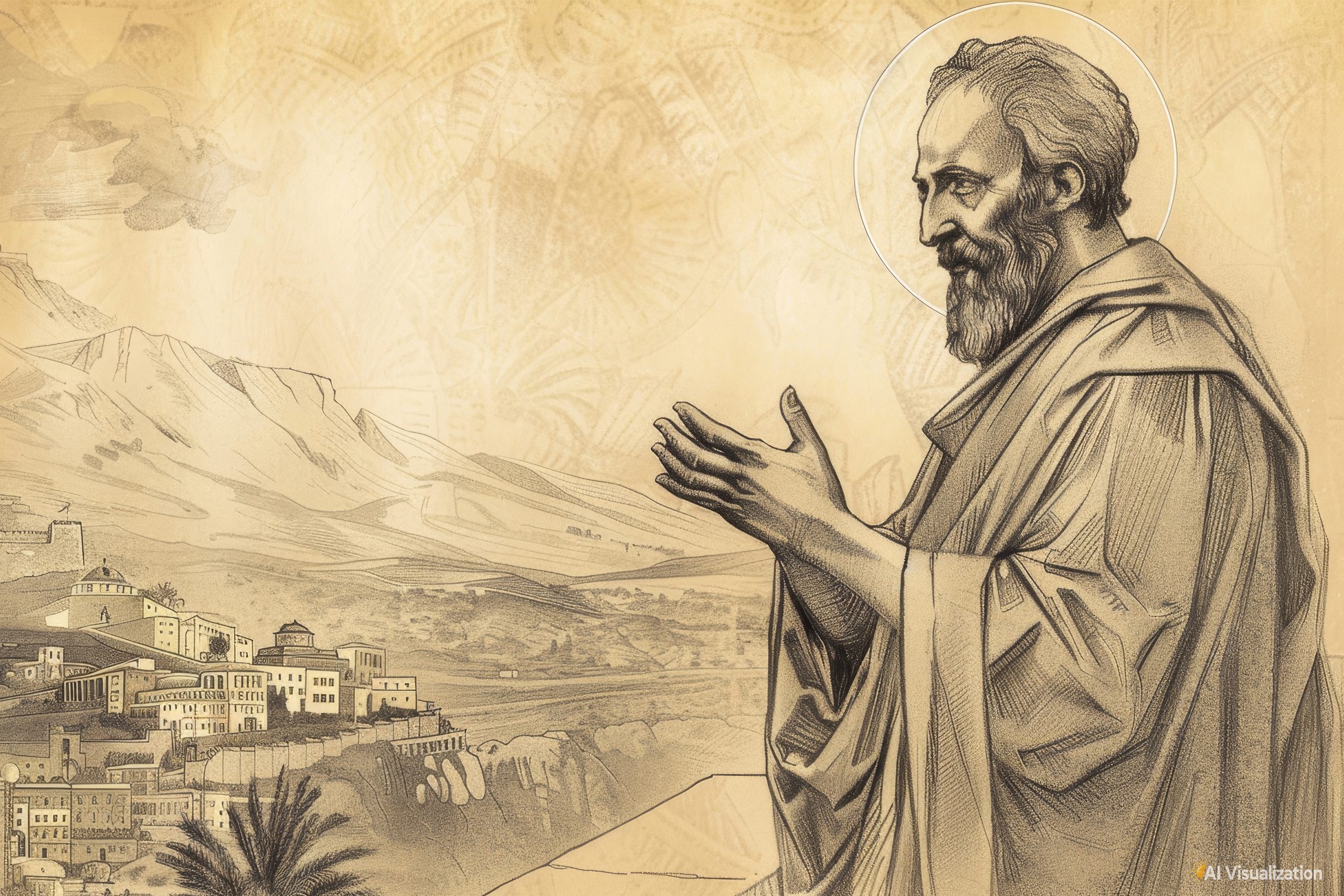
Christianity didn’t slowly trickle into Cyprus — it arrived with explosive speed in the hands of the apostles themselves. Around 45 AD, St. Paul and St. Barnabas landed on the island and began preaching, converting Cyprus’s Roman governor and establishing what would become one of the oldest Christian communities in the world.
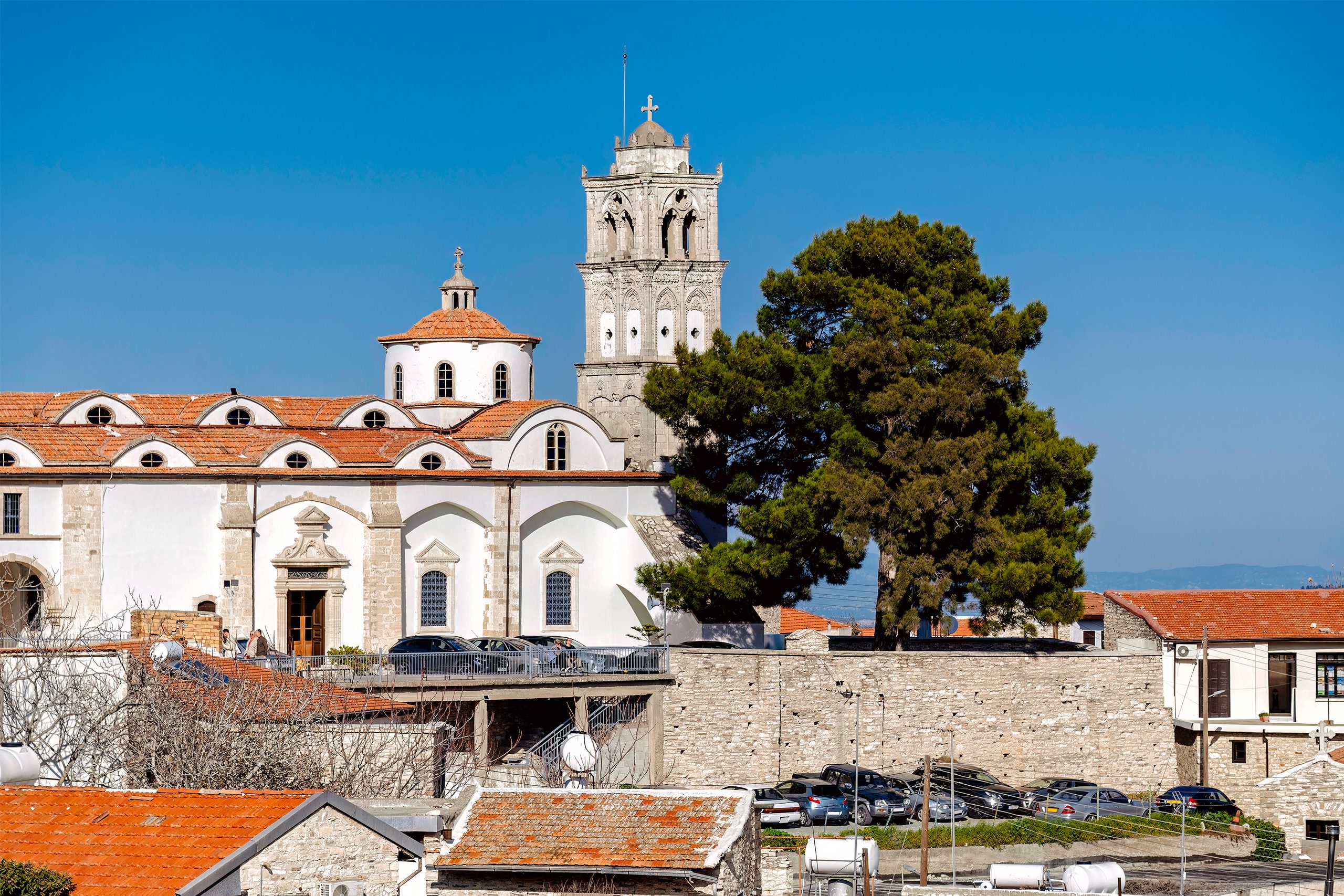
Today, the Greek Orthodox Church remains central to Cypriot identity. Ancient monasteries cling to mountain peaks, Byzantine frescoes glow on church walls, and the relics of saints rest in crypts beneath town squares. For visitors, Cyprus offers a journey through nearly two millennia of Christian history — a living tradition that connects the apostolic age directly to the present.
From Apostles to Autocephalous Church
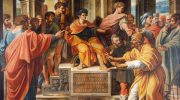
The story begins in 45 AD when St. Barnabas — a Cypriot native from Salamis — landed with St. Paul at Salamis and traveled west to Paphos. There, they converted the Roman proconsul Sergius Paulus to Christianity, making Cyprus the first country or province in the world governed by a Christian ruler.
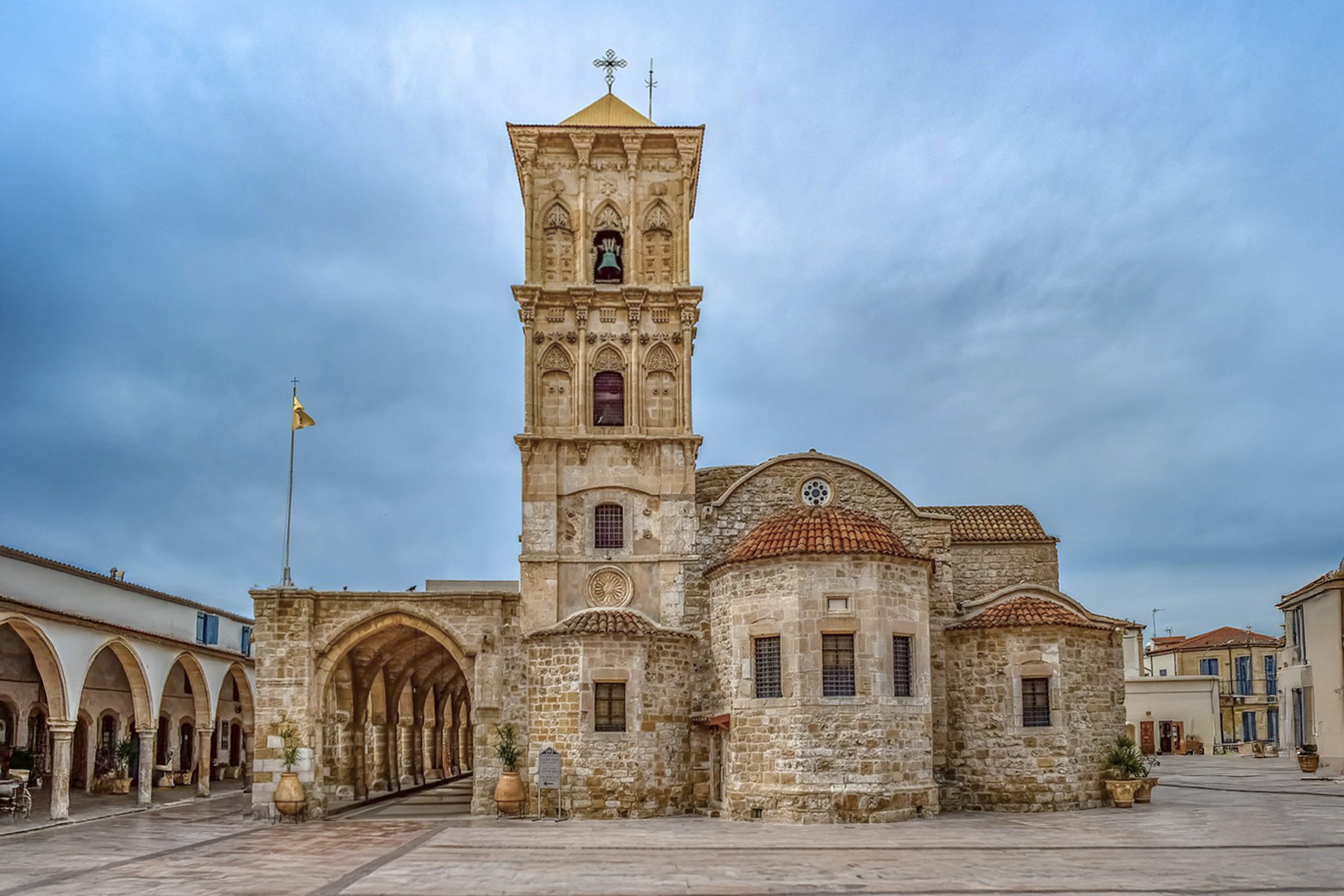
St. Barnabas founded the Church of Cyprus and served as its first bishop, becoming the island’s patron saint. According to tradition, Lazarus of Bethany fled to the island and became the first Bishop of Kition (modern Larnaca), where he lived for another 30 years.
By the 4th century, Cyprus had become an important Christian center within the Byzantine Empire. In 431 AD, at the Council of Ephesus, the Church of Cyprus was granted autocephalous status — meaning it became self-governing and independent.
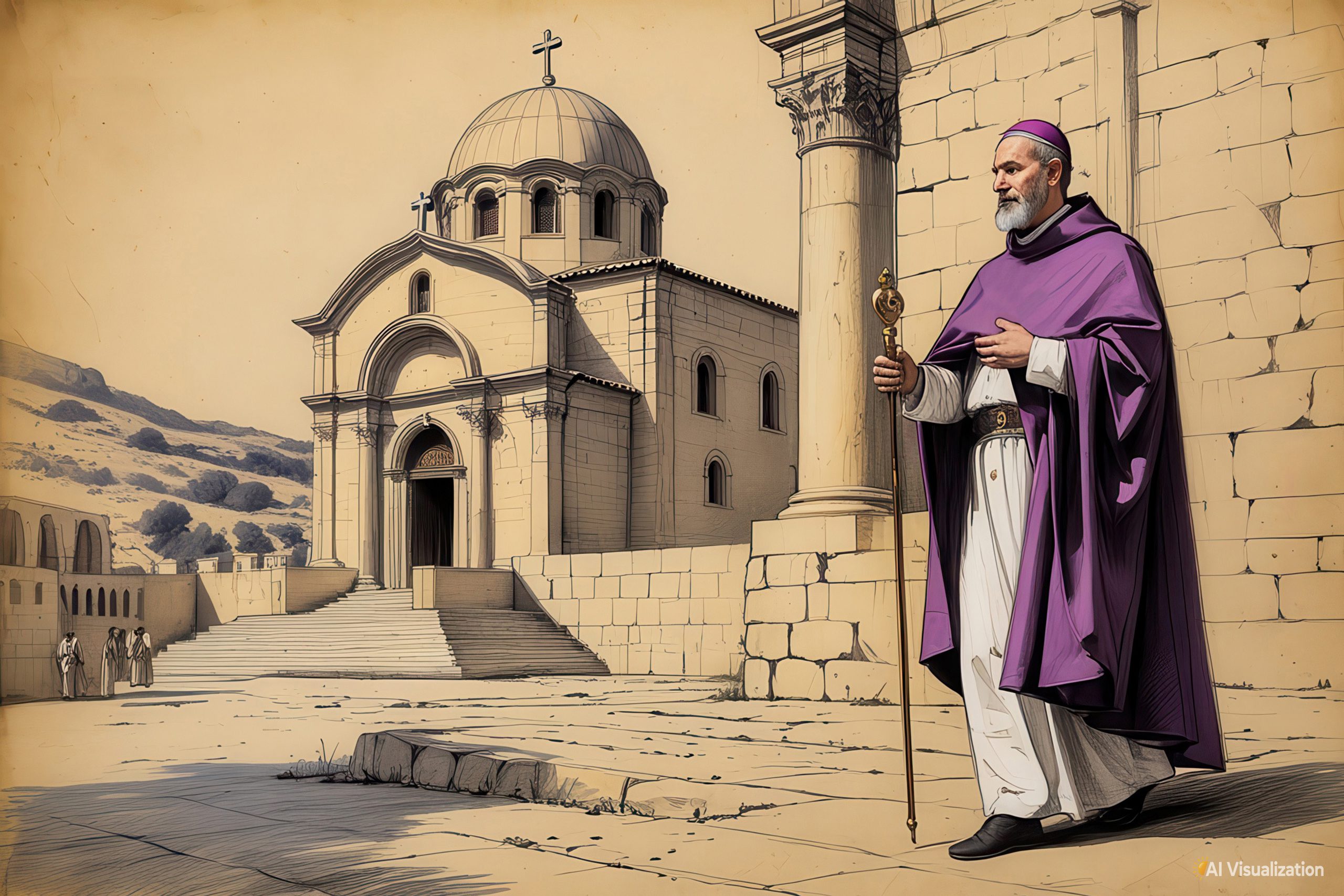
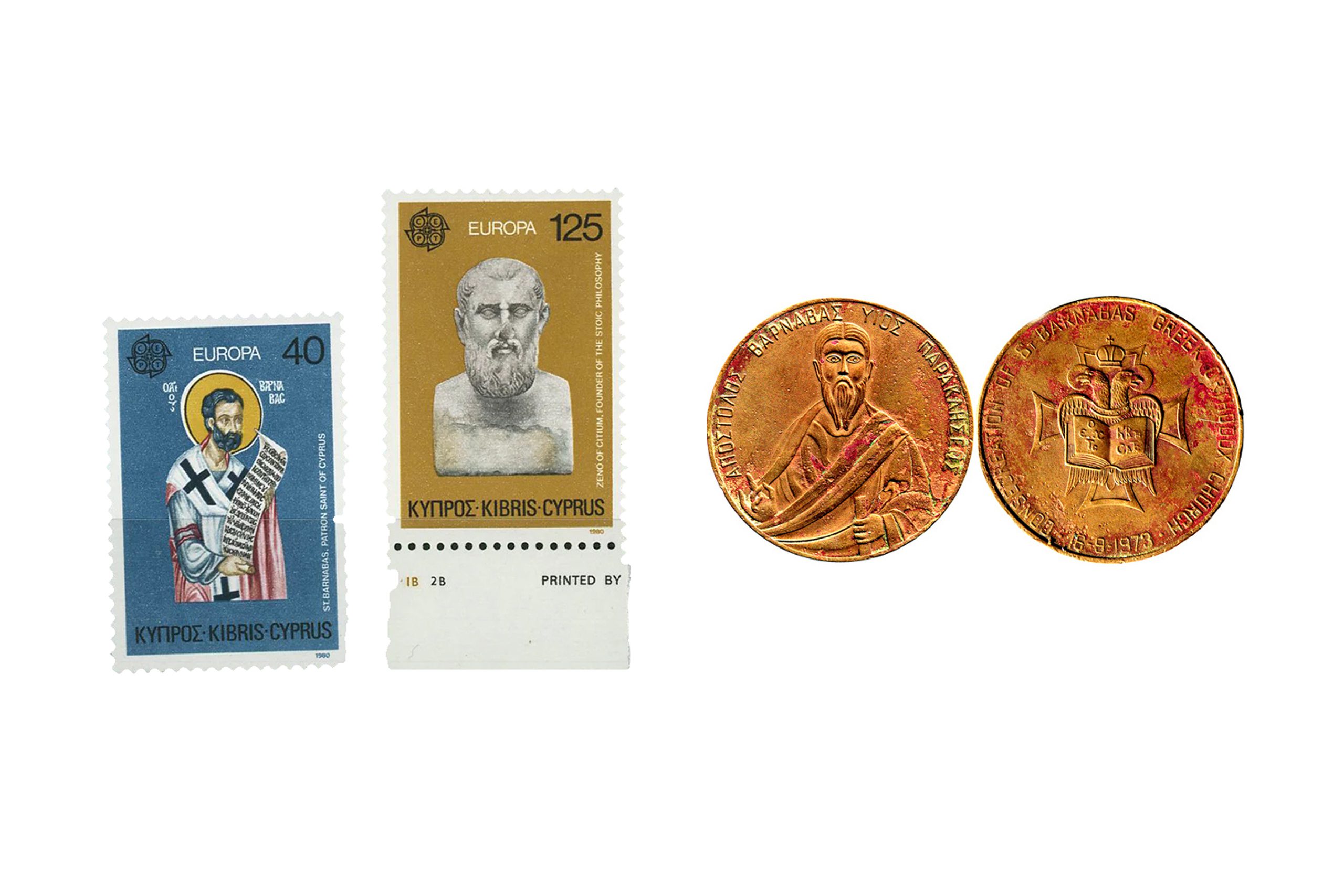
A miraculous discovery in 478 AD cemented Cyprus’s special status. Workers found the tomb of St. Barnabas under a carob tree, with his relic remains clutching a hand-copied Gospel of Matthew, which Archbishop Anthimos of Cyprus presented to the Emperor. Byzantine Emperor Zeno was so moved that he granted the Cypriot archbishop special privileges, including the right to wear purple robes and carry a scepter – honors normally reserved for emperors.
Despite Arab raids, Crusader invasions, and four centuries of Ottoman rule (1571–1878), Cypriot Christianity endured. During Ottoman rule, the Orthodox Church gained administrative power, with the archbishop serving as civil leader of the Greek Cypriot community. When Cyprus gained independence in 1960, Archbishop Makarios III became the country’s first president.
Churches, Monasteries, and Sacred Art
Cypriot Christianity expresses itself through a wide architectural and artistic heritage. The island contains hundreds of churches and monasteries, from large urban cathedrals to small rural chapels in the mountains. Many date to Byzantine and medieval periods.
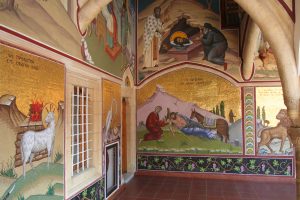
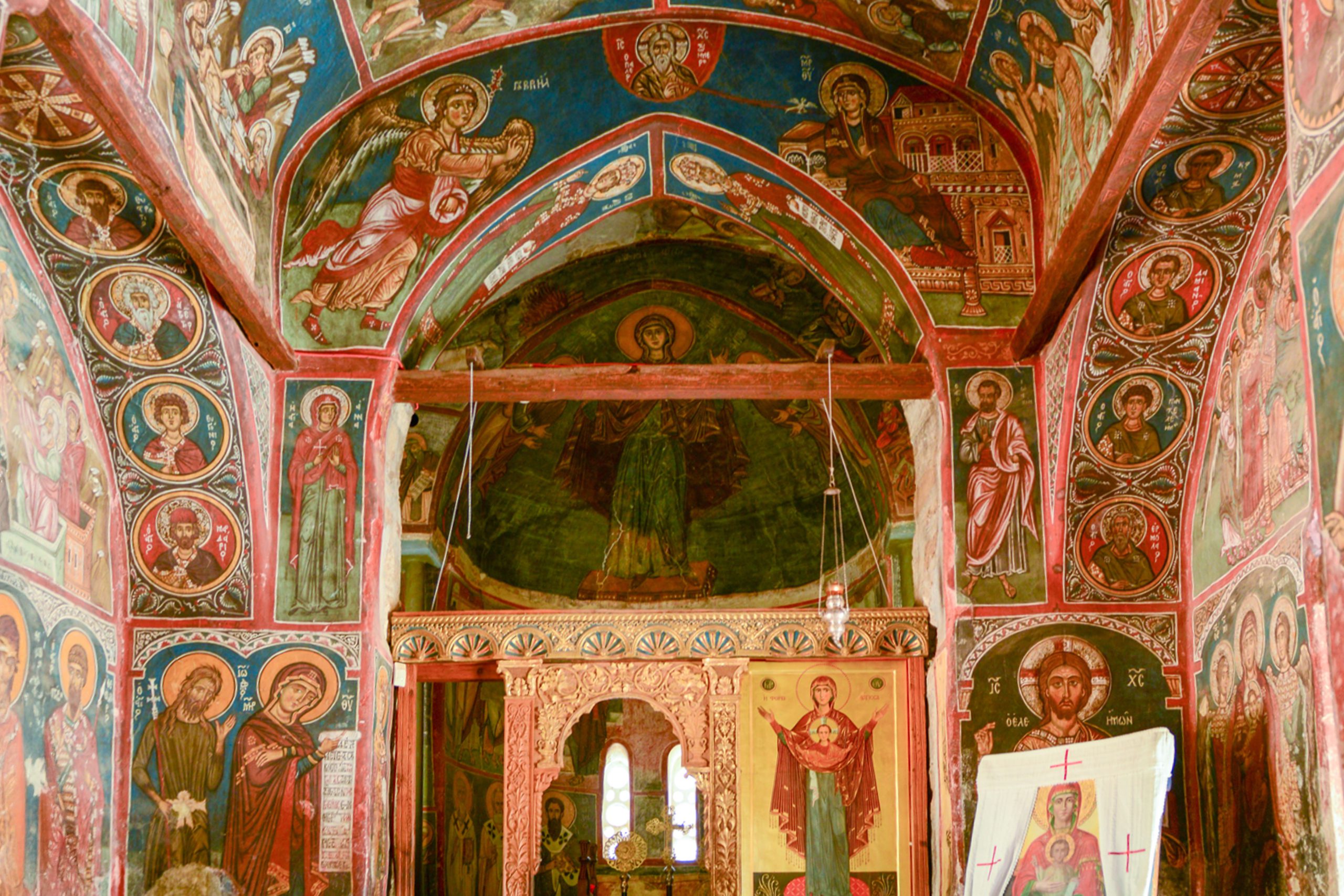
Mountain churches feature steep wooden roofs covered in flat tiles, designed for heavy winter rains in the Troodos Mountains. Inside, many are fully covered in Byzantine frescoes painted with durable pigments that still retain strong color.
Ten of the Painted Churches of the Troodos form a UNESCO World Heritage Site. Examples include Panagia Asinou, Agios Nikolaos of the Roof, and Panagia tou Araka. These small stone churches contain wall-to-wall painted scenes from Christ’s life, saints, and theological imagery.
These frescoes served as a visual teaching tool for congregations who could not read. They also show artistic influences from Byzantium, Italy, Anatolia, and Crusader states.
Cypriot churches follow Orthodox tradition in displaying icons of Christ, the Virgin Mary, and saints. Wooden iconostases separate the nave from the altar. Incense, candles, and Byzantine chant remain central elements of worship.
Remarkable Stories from Cypriot Christianity
- First Christian Ruler — Cyprus became the first place governed by a Christian ruler when Proconsul Sergius Paulus converted around 45 AD.
- Lazarus of Bethany — The tomb of St. Lazarus lies beneath a church in Larnaca. Tradition says he lived another 30 years on the island.
- A True Cross Fragment — Stavrovouni Monastery claims to house a fragment of the True Cross brought by St. Helena in 327 AD. The monastery still restricts entry to men only.
- St. Barnabas’ Gospel — A hand-copied Gospel of Matthew was found with the remains of St. Barnabas in 478 AD and is preserved near Salamis.
- Signed Medieval Frescoes — Painter Theodoros Apsevdis signed and dated frescoes at Panagia tou Araka in 1192.
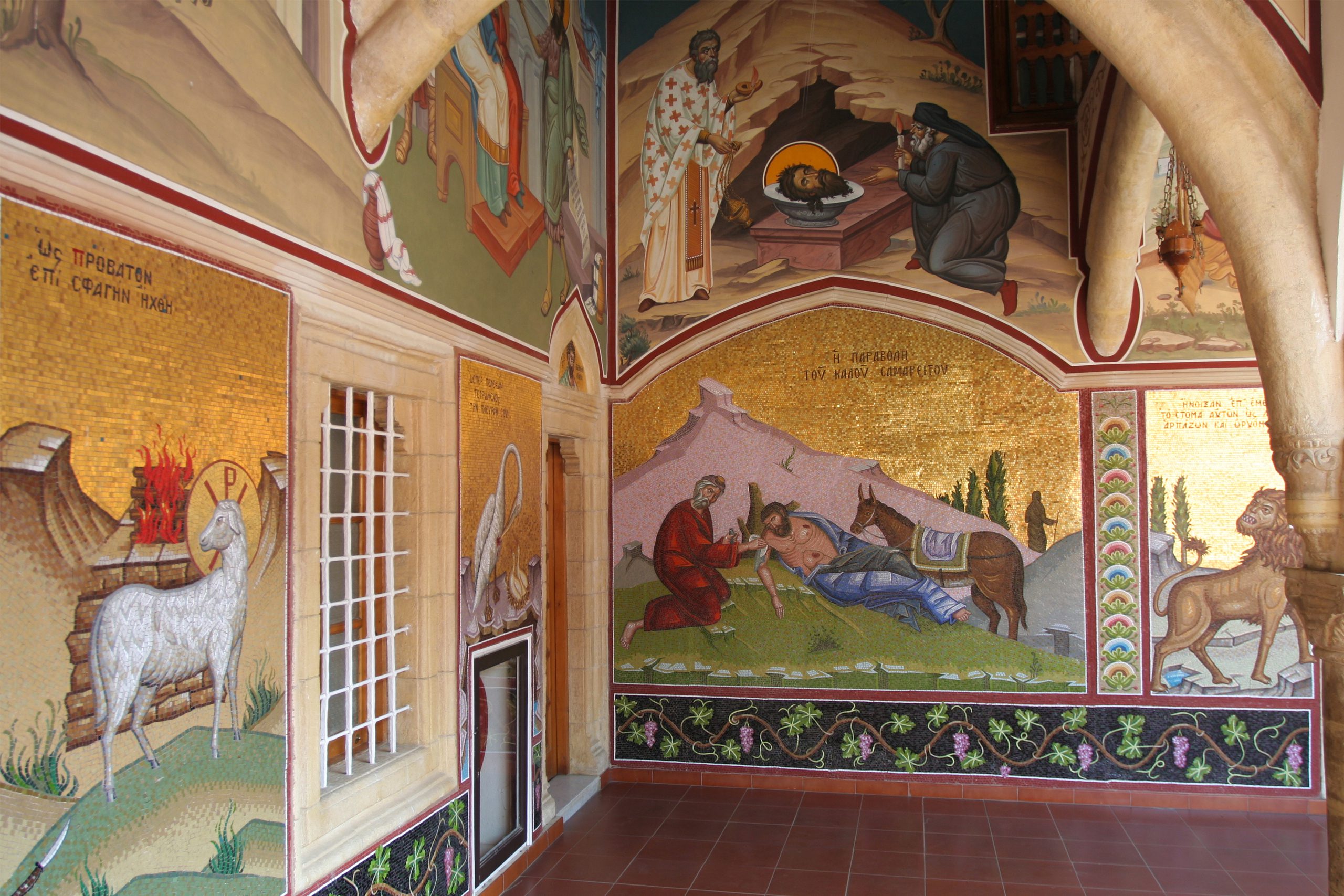
Saints, Theologians, and Sacred Traditions
St. Neophytos the Recluse carved a cave hermitage near Paphos in the 12th century, where he lived, wrote theological works, and painted frescoes. His cave chapel and stone bed still exist.
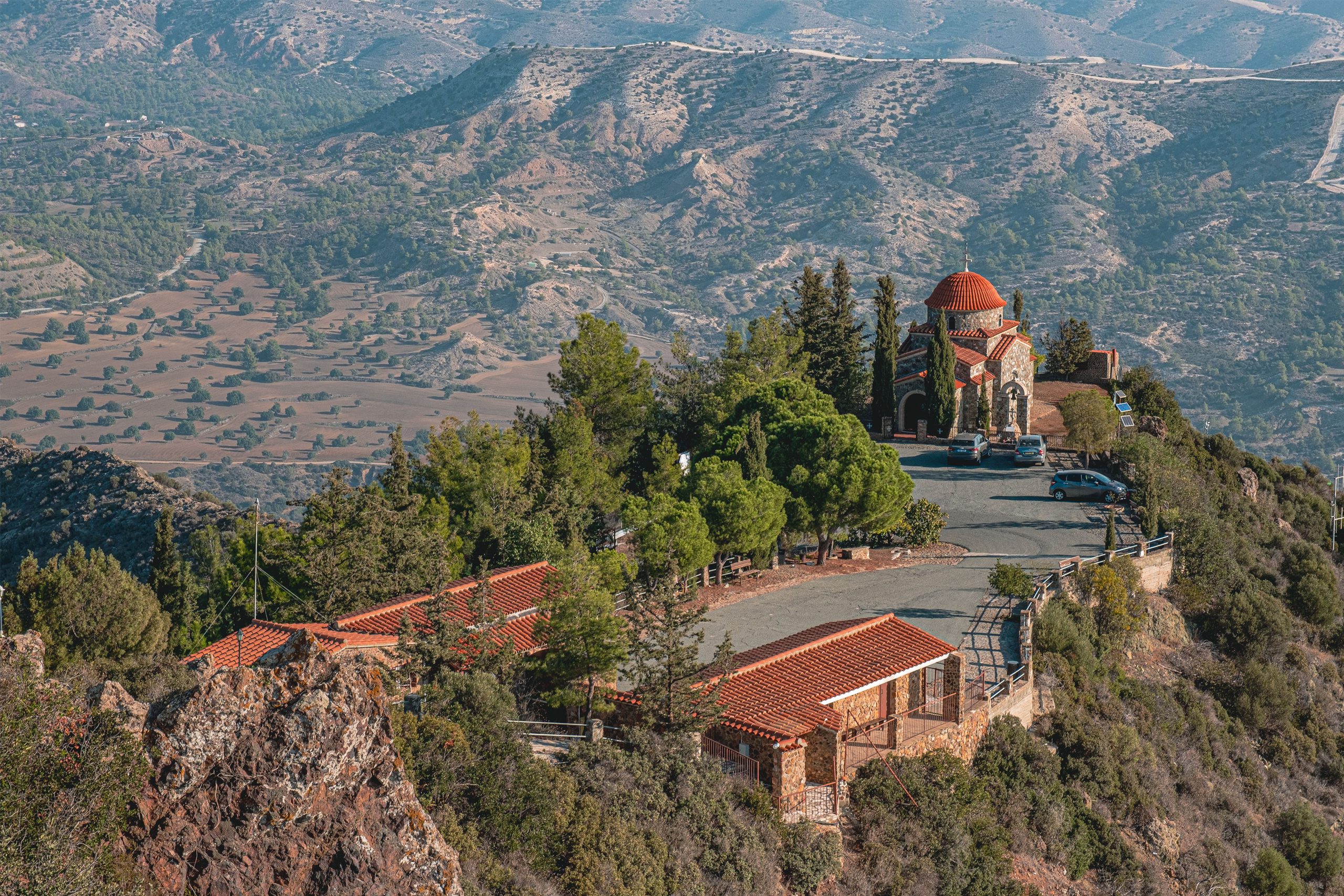
Bishop Epiphanius of Salamis (c. 310–403) was a major Church Father who wrote the Panarion, a large theological work cataloguing heresies.
Pilgrimage remains important. Kykkos Monastery houses an icon of the Virgin Mary believed by tradition to be painted by St. Luke. The icon remains mostly covered and is venerated by pilgrims.
Church architecture across Cyprus reflects Byzantine, Gothic Crusader, and later influences, sometimes within the same structure.
A Living Faith in Modern Cyprus
Christianity remains the dominant religion in Cyprus, with most Greek Cypriots belonging to the Autocephalous Greek Orthodox Church of Cyprus. The Church plays a central cultural and social role.
Public holidays follow the Orthodox calendar. Easter is the most important celebration, marked by Holy Week services and the midnight resurrection liturgy with candles and the chant “Christos Anesti.”
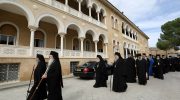
The Church of Cyprus remains self-governing under its Archbishop in Nicosia. Historic Christian sites are protected as national heritage and promoted for cultural tourism. Cyprus is also an international pilgrimage destination for Orthodox Christians.
Sacred Sites Open to All
- The Church of Saint Lazarus in Larnaca — A 9th-century Byzantine church with a crypt containing the saint’s tomb.
- The Monastery of Saint Barnabas near Salamis — Now a museum complex with basilica ruins and icon collections.
- Stavrovouni Monastery — A mountaintop monastery associated with a True Cross relic; interior access restricted to men.
- Agios Neophytos Monastery — Features the Enkleistra cave hermitage with 12th-century frescoes.
- The Painted Churches of the Troodos — Small mountain churches with preserved Byzantine wall paintings.
- St. Paul’s Pillar in Paphos — Traditional site of St. Paul’s punishment, within a basilica complex.
Most churches welcome visitors who are respectfully dressed and quiet. Donations are usually appreciated.
Why Cypriot Christianity Matters
Understanding Christianity in Cyprus means understanding the island’s historical identity. From the arrival of the apostles in 45 AD, Christianity shaped Cypriot art, architecture, governance, and daily life.
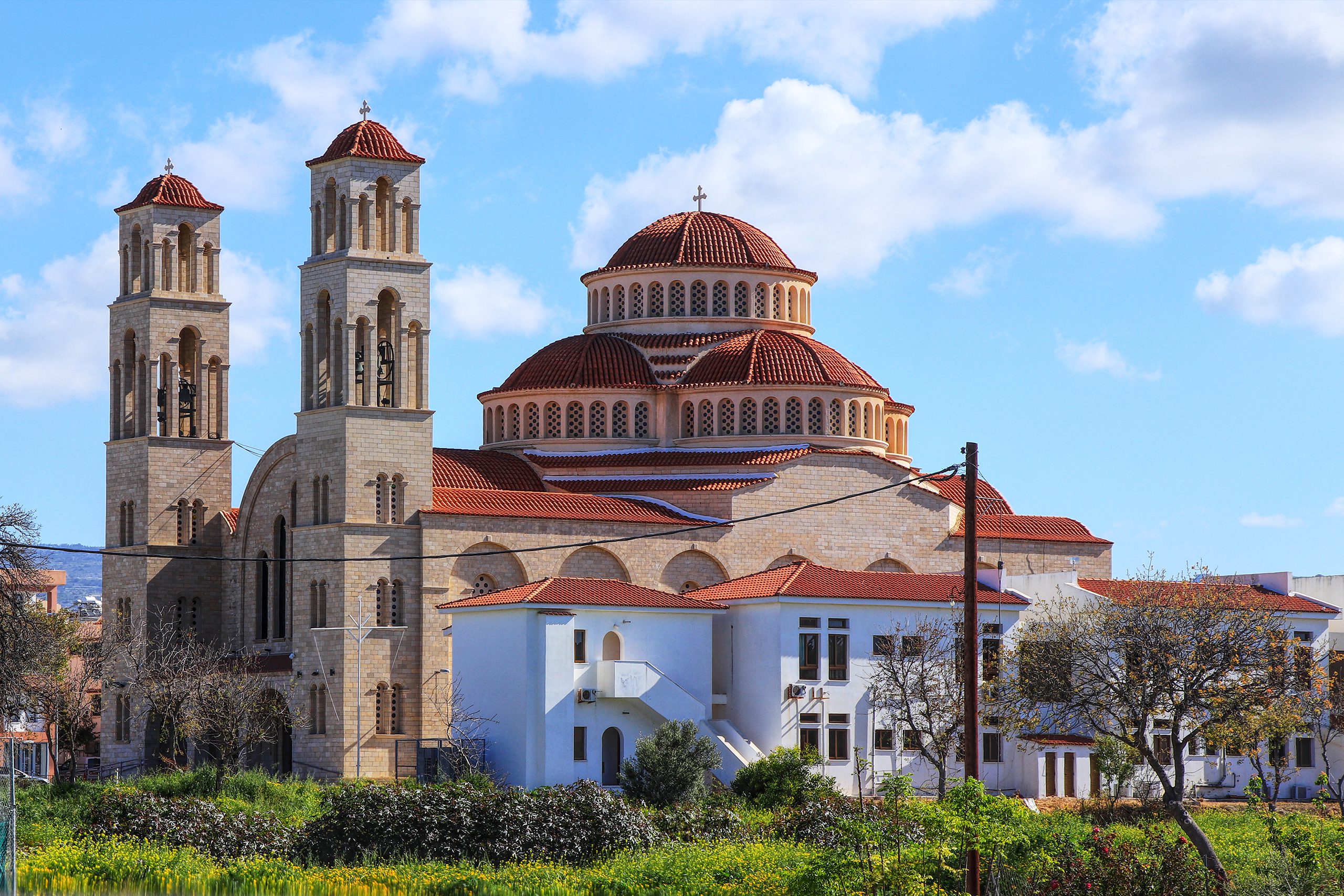
The churches and monasteries across the island are not only historic monuments but active places of worship and cultural memory. They connect the present directly with the apostolic and Byzantine past.
For visitors, Cyprus offers rare continuity — a place where early Christian history, sacred art, and living religious practice remain closely linked across two thousand years.