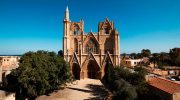
Commemorative days in Cyprus establish the seasonal rhythm of rural life throughout the year, with each community recognizing a historical figure through formal ceremonies and traditional public festivals called panigyria. These events integrate regional customs with large-scale social gatherings, featuring organized walks, artifact displays, communal meals, folk music, and traditional dances that continue until dawn.
Unlike various international traditions where individual birthdays are the primary focus, Cypriots emphasize these shared name days with significant social enthusiasm. The regional calendar includes hundreds of these occasions honoring figures from antiquity, the Byzantine era, and more recent local history. Major events like the August 15 commemoration attract thousands to historical landmarks and village squares, while smaller festivals serve to maintain regional identity and ancestral family connections. The panigyri tradition has functioned for centuries as a vital element of Cypriot social culture, earning international recognition for its role in preserving community heritage and local bonds.
The Structure of a Traditional Panigyri
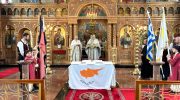
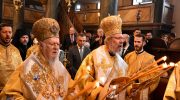
A typical panigyri begins on the evening before the designated feast day with a formal church service marking the start of the celebration within the traditional liturgical calendar. Residents, expatriates, and visitors gather in the village church for hymns, prayers, and community participation.
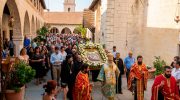
Following the service, a procession often takes place through village streets where an icon associated with the local tradition is carried outdoors. Participants follow the procession with candles, creating a visual and symbolic journey through the settlement’s main pathways.
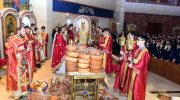
A central ritual known as artoklasia follows in many communities. During this practice, bread, wine, and olive oil are placed in the church for blessing and later shared among participants. This act reflects long-standing Mediterranean traditions of communal sharing and hospitality.
The next morning continues with a longer ceremonial gathering that draws large numbers of attendees, including families traveling from urban centers or abroad. Churches are often filled beyond capacity, reflecting the strong social importance of these annual events.
After the formal proceedings conclude, the atmosphere shifts from structured ceremony to open public celebration, marking the beginning of the festival’s social and cultural activities.
The Role of Food in Feast Day Celebrations
Food preparation is one of the most important elements of any panigyri. In many villages, preparation begins several days in advance, with community groups organizing large-scale cooking for residents and visitors.
Traditional Cypriot dishes are prepared in significant quantities and distributed freely or at symbolic cost. This practice reflects long-standing customs of hospitality and communal sharing that remain central to village life.

One of the most popular festival foods is loukoumades, small fried dough pieces served with honey syrup and topped with cinnamon and nuts. These are commonly prepared on-site during festivals, creating a strong association between food preparation and public celebration.

Grilled meat dishes such as slow-roasted lamb or pork and sausage preparations cooked over charcoal are also central to the festival menu. These are typically prepared in open-air settings where cooking becomes part of the public atmosphere of the event.
Side dishes often include seasonal vegetables, local cheeses, fresh salads, and foraged ingredients from surrounding rural areas. The scale and variety of food highlight the importance of communal effort and agricultural tradition in Cypriot village life.
Music and Dance as Community Expression
Music plays a continuous role throughout panigyria, often beginning in the afternoon and continuing into the early hours of the morning. Traditional instruments such as violin, lute, and percussion are commonly used to perform a wide range of folk compositions.
The musical repertoire includes village songs, narrative ballads, and humorous verses that reflect everyday life and social relationships. Many of these songs have been transmitted orally across generations, preserving linguistic and cultural continuity.
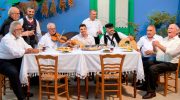
Traditional dances are an essential part of the celebration. Group dances performed in lines or circles allow large numbers of participants to join simultaneously, creating inclusive social participation regardless of age or skill level.
Partner dances also appear in many festivals, providing structured interaction between participants within socially accepted settings. These dances often emphasize rhythm, coordination, and communal enjoyment.
Improvised poetic exchanges are another important cultural element in some regions. Performers engage in structured verbal competitions using rhyme and rhythm to express humor, commentary, or storytelling. These performances highlight linguistic creativity and oral tradition within Cypriot culture.
Major Saints and Their Feast Days
Cyprus hosts numerous major annual festivals linked to specific dates in the traditional calendar. One of the largest seasonal gatherings occurs in mid-August, when many villages organize simultaneous festivals that attract visitors from across the island.
During this period, pilgrimage routes, rural monasteries, and village churches experience high levels of activity. Many participants travel long distances to attend celebrations in their ancestral communities, reinforcing family and regional connections.
Another widely observed festival takes place in May, when communities across Cyprus hold large gatherings that include music, food distribution, and public celebrations. These events often bring together extended families and former residents who return from urban centers or abroad.
Smaller local festivals also take place throughout the year in villages across the Troodos mountains, Paphos region, Larnaca district, and rural inland communities. Each festival reflects the identity of its specific locality while following shared cultural patterns.
The Social Functions of Panigyria
Beyond cultural and ceremonial aspects, panigyria play an important role in maintaining social cohesion within rural communities. As urban migration has increased over recent decades, many villages have experienced population decline, particularly among younger generations.
Annual festivals provide an opportunity for former residents to return and reconnect with their home communities. These gatherings help maintain intergenerational relationships and reinforce shared identity among dispersed populations.
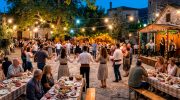
Historically, these events also served as important social spaces where young people from different villages could meet within structured community settings. While modern social practices have changed significantly, festivals continue to function as inclusive environments for social interaction.
Economic functions are also present in many festivals. Donations and communal contributions often support village infrastructure, cultural preservation, and community projects. In some cases, funds collected during festivals are allocated to educational support or local development initiatives.
Contemporary Challenges and Adaptations
In recent decades, traditional festivals have faced challenges related to demographic change and urbanization. Many rural communities now rely on a smaller number of residents to organize increasingly complex events.
To address these changes, some villages have established committees that combine older cultural knowledge with modern organizational methods. This collaboration helps ensure that traditional practices continue in a changing social environment.
Tourism has also influenced the character of some larger festivals. Increased visitor participation provides economic support but can also change the scale and atmosphere of events. Communities often work to balance visitor access with the preservation of traditional practices.
Despite these challenges, many villages continue to organize annual festivals, demonstrating the resilience of local cultural traditions. Efforts to document and preserve intangible cultural heritage have further supported the continuation of these practices.
Experiencing a Panigyri as a Visitor
Visitors attending a panigyri are generally expected to respect local customs, particularly during formal gatherings held in church settings. Appropriate dress and respectful behavior are customary during structured parts of the program.
During public festival activities, visitors are welcome to participate in food markets, musical performances, and dance events. These open spaces provide opportunities to experience local culture in a social environment.
Basic familiarity with local greetings is often appreciated by residents, particularly in rural communities where hospitality plays an important cultural role.
Festival dates vary depending on the local calendar, and many smaller events are organized at the village level. Regional tourism offices and community announcements often provide information about upcoming celebrations.