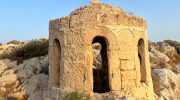
Orthodox churches are among the most defining architectural features of Cypriot villages, often placed at the center of settlements where they function as key reference points for community structure and local identity. In many traditional villages, the main square and surrounding public life historically developed around these buildings, making them both spatial and symbolic anchors of rural organization.
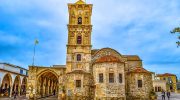
These structures range from small rural chapels in remote mountain areas to larger, more elaborate complexes in towns. Their architectural variety reflects centuries of historical development shaped by local needs, available materials, and regional building traditions. Over time, these buildings became closely tied to village identity, marking important points in the social and physical landscape.
Early Development and Historical Background
The presence of early Christian communities in Cyprus dates back to the 1st century AD, when the island became part of broader Mediterranean religious and administrative networks under Roman rule. According to historical accounts, early figures such as Barnabas and others played a role in establishing organized community structures on the island, contributing to the spread of new belief systems and institutions.
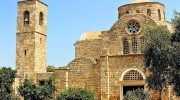
Following the legalization of Christianity in the Roman Empire in 313 AD, church construction expanded significantly across Cyprus. Early buildings were typically simple basilica-style structures built from local stone and timber. As architectural knowledge developed during the Byzantine period, more complex forms emerged, including domes, barrel vaults, and richly decorated interiors.
Over several centuries, these structures evolved into a distinctive regional architectural tradition. Especially in rural and mountainous areas, churches were adapted to local environmental conditions, resulting in unique designs that combined practicality with artistic expression.
The Troodos Mountain Church Tradition
The Troodos Mountains contain one of the most significant clusters of medieval religious buildings in the Eastern Mediterranean. Ten sites in this region have been designated as UNESCO World Heritage monuments due to their architectural and artistic importance.
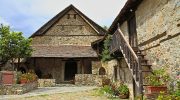
These churches range from small village chapels to larger monastic complexes. Despite differences in size, they share common architectural adaptations, particularly steep-pitched wooden roofs designed to protect masonry structures from heavy snowfall and seasonal weather conditions.
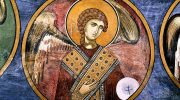
A defining feature of these buildings is the contrast between their exterior simplicity and interior complexity. From the outside, they often appear modest and unassuming, blending into the mountain landscape. Inside, however, many are decorated with extensive wall paintings that cover nearly every available surface, forming complete visual programs arranged according to traditional compositional systems.
Architectural Characteristics
Cypriot village churches developed a distinctive architectural style influenced by geography and climate. Local limestone was commonly used for construction, while timber roofs provided protection from weather conditions in higher elevations.
In mountain regions, the steep roof design became particularly important, sometimes added over earlier domed structures to improve durability. This solution reflects a practical response to environmental challenges while also shaping a recognizable regional architectural identity.
Inside these buildings, decorative programs are typically organized in structured layers. Higher sections of the interior often contain central symbolic compositions, middle zones display narrative sequences, and lower areas include individual figures and ornamental designs. This structured approach allowed complex visual storytelling within limited architectural spaces.
Changes During Foreign Rule and Cultural Interaction
Throughout different historical periods, Cyprus experienced shifts in political control that influenced the organization and use of religious buildings. During these transitions, existing structures were often repurposed, modified, or shared between different communities.
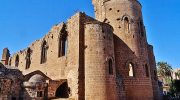
Architectural evidence shows that some buildings incorporate both local Cypriot and external design influences, reflecting periods of cultural exchange. Gothic, Byzantine, and later architectural elements can sometimes be observed within the same structure, particularly in urban centers and historically significant towns.
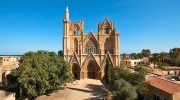
When the Muslim Ottoman Turks conquered Cyprus in 1570, the sultan banished the Latin hierarchy, recognized the long-suffering Orthodox community, reconstituted its hierarchy, and appointed the metropolitan archbishop as head of the Greek-speaking community or millet.

The conditions for the Greek Orthodox community improved during the Ottoman period, particularly in the 18th and 19th centuries. The millet system gave the Orthodox leader autonomy to organize affairs for non-Muslim communities. Increased financial means and estates resulted in wide-scale restoration and church building activity. Newly restored and built churches in urban and rural areas grew in size, with effective structures usually constructed on sites of ancient ones.
The Village Church as a Social Institution
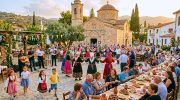
Beyond their architectural value, village churches historically functioned as central gathering spaces for local communities. The surrounding courtyard often served as an informal meeting place where residents exchanged news, discussed local matters, and organized communal activities.
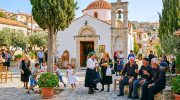
Major life events such as births, marriages, and funerals were traditionally connected to these buildings, reinforcing their role as markers of individual and collective milestones. Over time, they became deeply integrated into the social structure of village life.
Seasonal festivals also contributed to this role, bringing together residents for communal gatherings that combined ceremony, music, food, and social interaction. These events strengthened community bonds and maintained continuity between generations.
In earlier periods, churches also played an educational role in rural areas where formal schooling was limited. Literacy and basic instruction were often transmitted through local religious institutions, contributing to the preservation of language and written tradition during periods of foreign governance.
Why Village Churches Still Define Cyprus
Today, village churches remain important elements of Cypriot cultural heritage. Even as urbanization has changed population distribution, these buildings continue to serve as reference points for identity, memory, and local continuity.
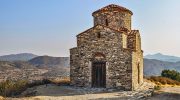
Many structures have been preserved or restored as part of heritage conservation efforts, particularly in rural and mountainous regions. Their architectural value, combined with their historical significance, has made them important sites for cultural tourism and academic study.
Visitors to Cyprus often encounter these buildings as part of village landscapes, where they stand alongside traditional houses, squares, and natural surroundings. This integration of architecture and environment contributes to the distinct character of Cypriot rural settlements.