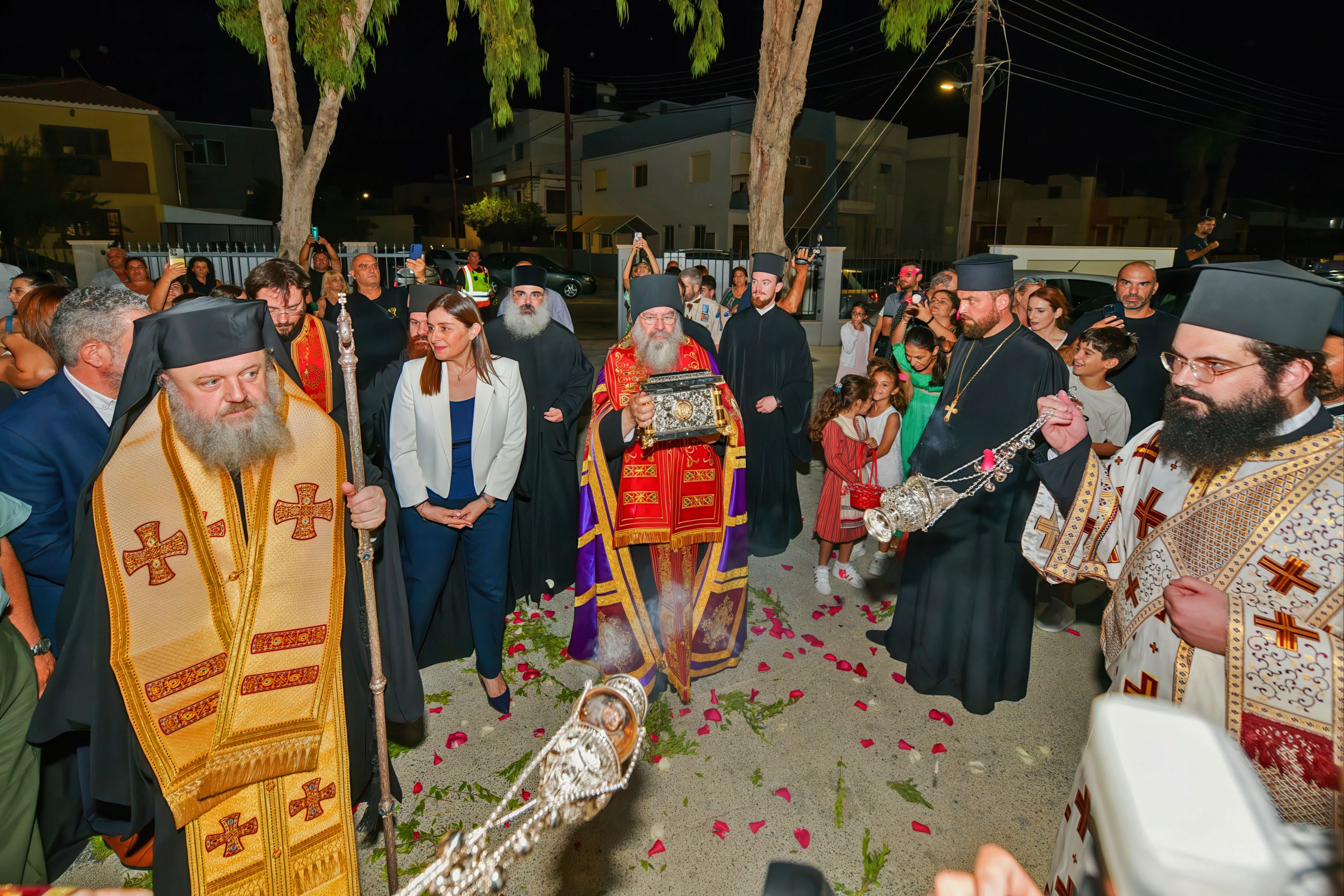
Pilgrimage to saintly relics in Cyprus is a heartfelt tradition where believers journey to tombs, monasteries, and churches to connect with holy figures like Saint Lazarus or pieces of the True Cross. These trips blend deep faith with hopes for healing and protection, turning the island’s landscapes into paths of spiritual renewal. It’s a practice that feels personal and alive, drawing people from near and far to experience a touch of the divine in everyday places.
- A Journey of Faith and Connection
- Roots in Ancient Beliefs and Miracles
- Sacred Sites That Draw the Faithful
- Surprising Stories That Stick With You
- Layers of Meaning in Rituals and Beliefs
- Echoes of Devotion in Today's Cyprus
- Your Guide to a Meaningful Pilgrimage
- A Tradition That Keeps the Spirit Alive
A Journey of Faith and Connection
Imagine setting out on a winding road through Cyprus’s hills or coastal towns, driven not by sightseeing but by a quiet need for solace or thanks. That’s the essence of pilgrimage to saintly relics here – a simple yet profound act where ordinary folks seek out the remains or sacred items of saints, believing they hold ongoing power. These aren’t museum pieces; they’re bridges to the holy, places where prayers feel heard and lives can shift. From bustling Larnaca to remote mountain monasteries, pilgrims come for everything from physical cures to emotional peace, making the island a living map of devotion. No fancy rituals required – just an open heart and a willingness to travel, turning the act of going into a form of worship itself.
Roots in Ancient Beliefs and Miracles
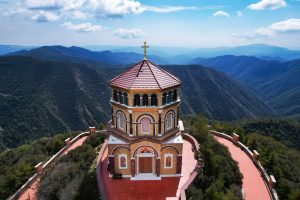
This tradition stretches back to Cyprus’s early Christian days, blending with even older pagan customs of honoring sacred sites. By the 4th century, when Saint Helena – mother of Emperor Constantine – visited the island, she founded spots like Stavrovouni Monastery after a miracle: a piece of the True Cross she brought mysteriously floated to a mountain peak, shining with light and marking it as holy. Helena’s journeys helped spread relic veneration, turning Cyprus into a hub for pilgrims seeking bits of the cross or saints’ bones. Over centuries, as Byzantines, Arabs, and Ottomans came and went, these practices endured. Saints like Barnabas, who evangelized the island in the 1st century, had his tomb discovered in the 5th century with a Gospel on his chest – a sign that boosted Christianity’s status. Even Muslim influences added layers, like the revered Hala Sultan Tekke near Larnaca, but Christian pilgrimages focused on figures like Lazarus, resurrected by Jesus and later bishop of Kition (modern Larnaca). Through invasions and changes, relics became symbols of resilience, with stories of healings keeping faith alive amid hardship.
Sacred Sites That Draw the Faithful
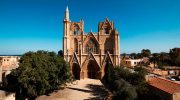
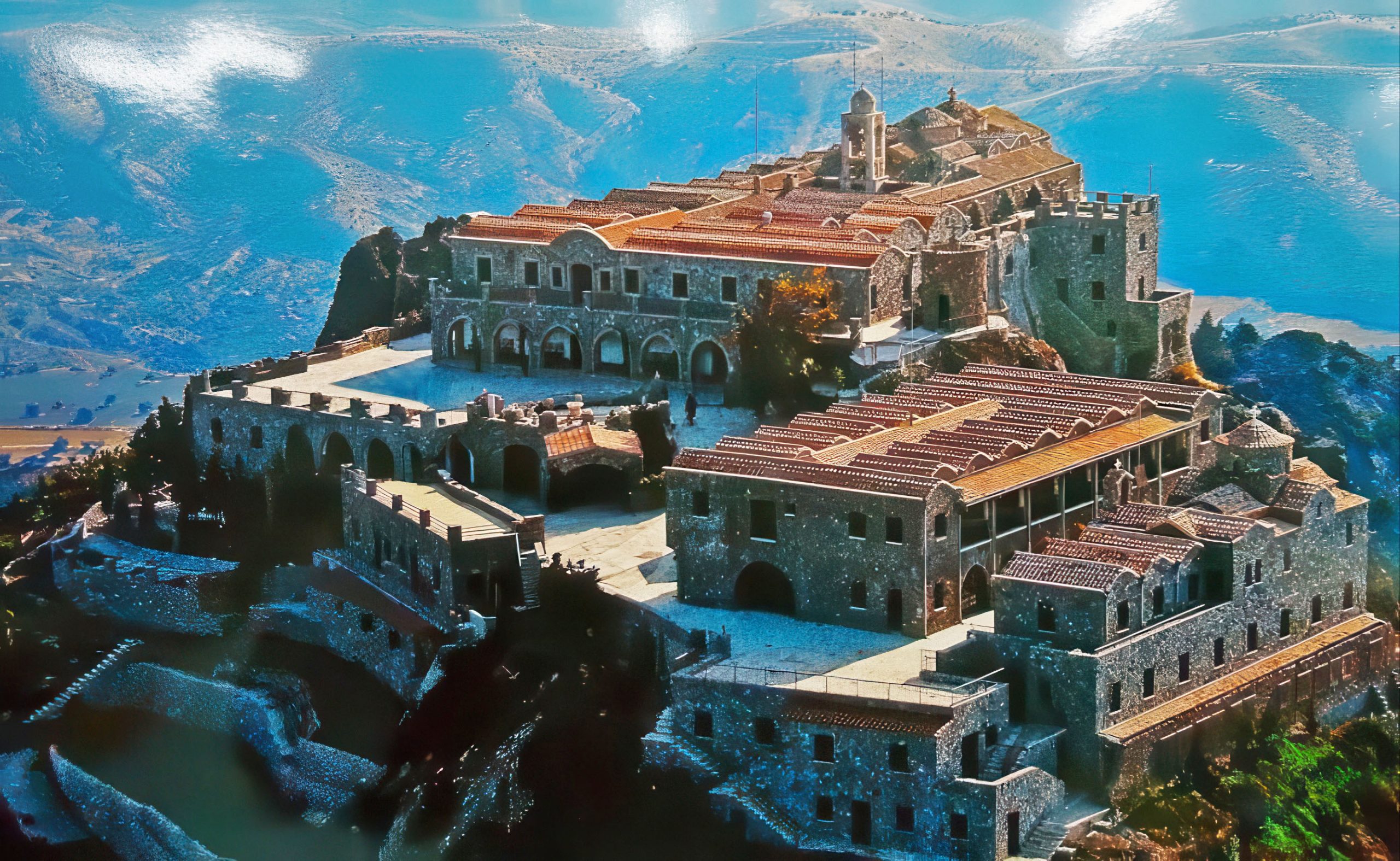
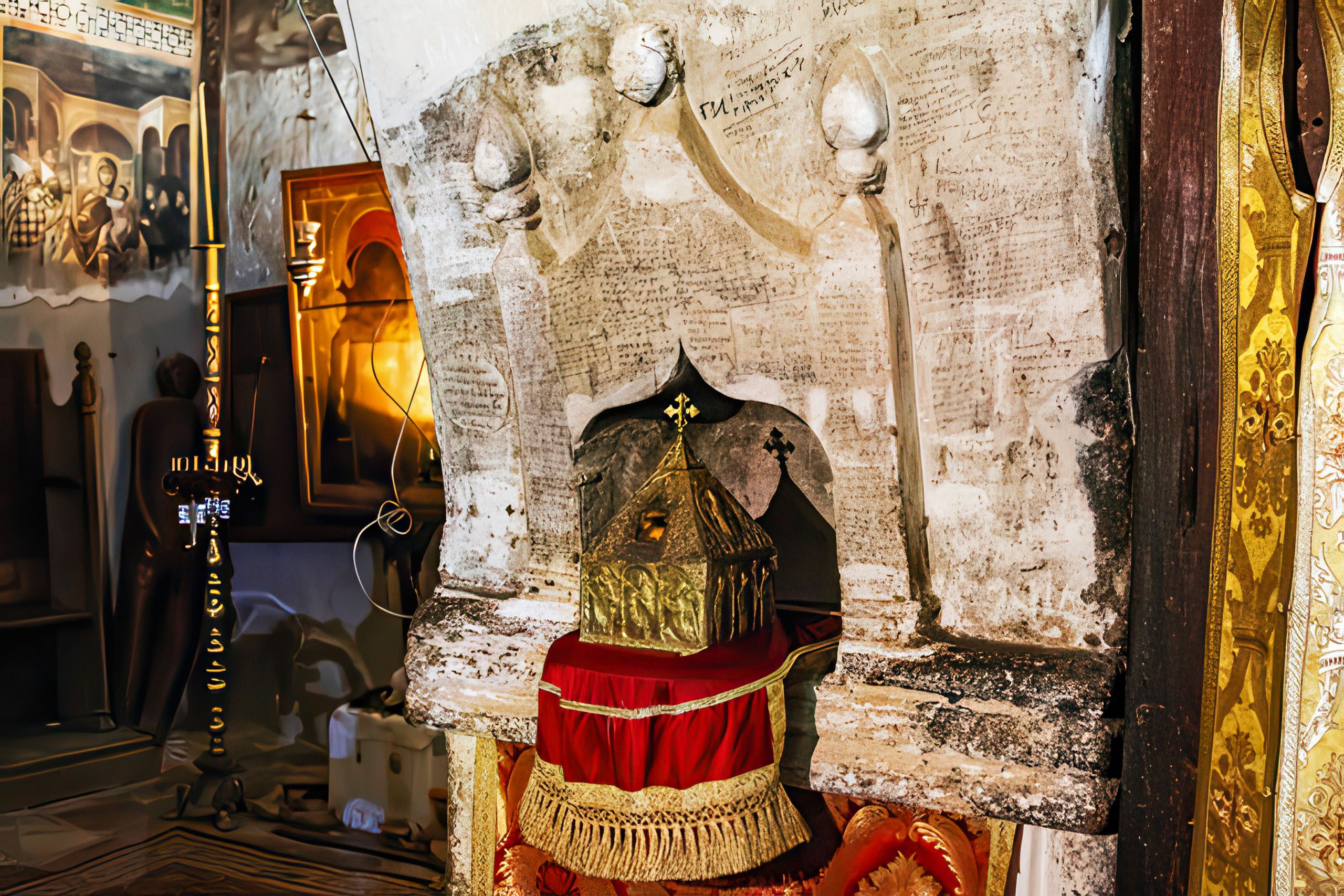
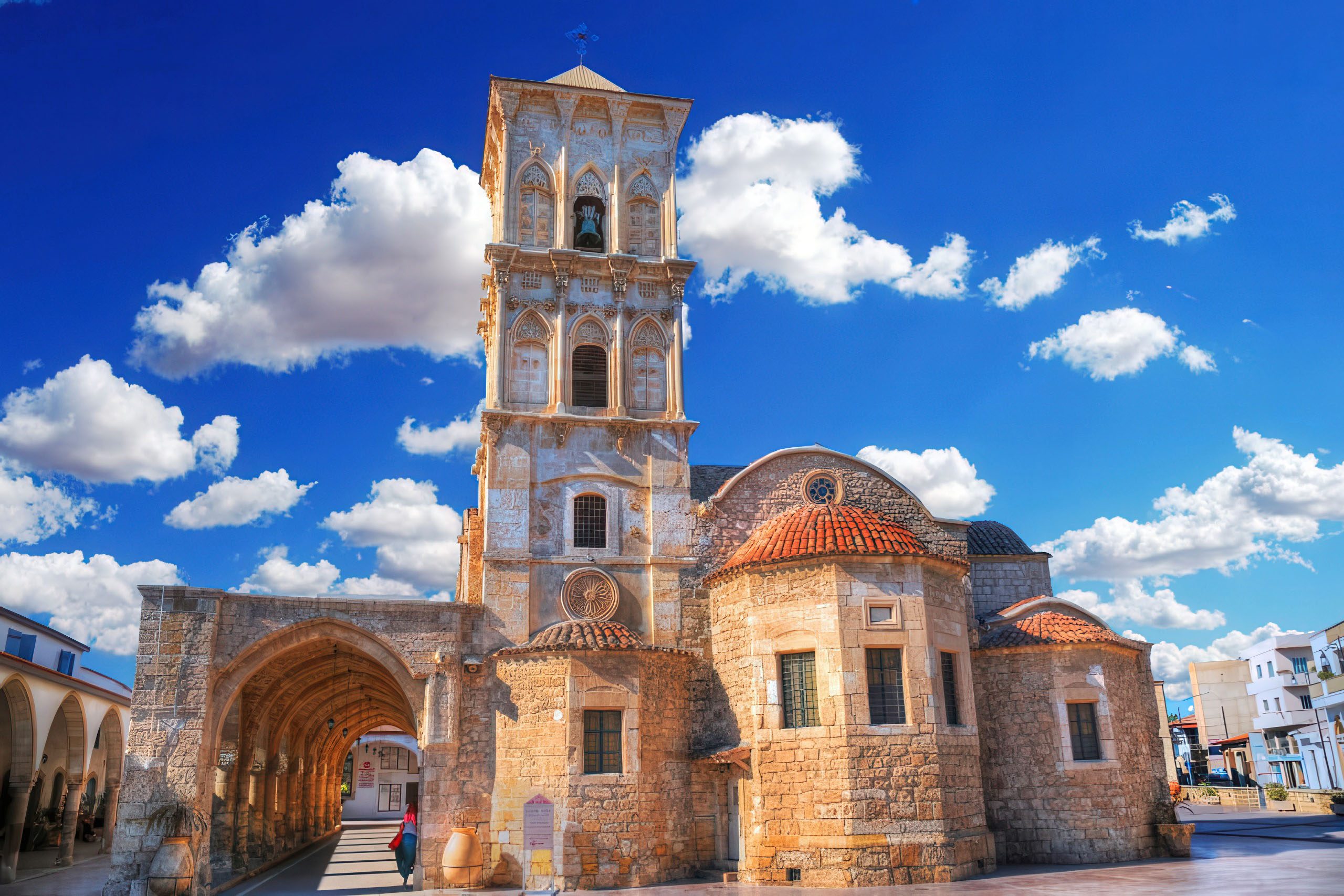
Up close, these pilgrimages revolve around tangible encounters with relics that make the divine feel near. Take the Church of Saint Lazarus in Larnaca: a stunning 9th-century stone building over his tomb, where visitors descend into the crypt to touch the sarcophagus and venerate his relics. The air hums with candlelight and whispers, as people leave tamata – small metal offerings shaped like eyes or hearts – for miracles granted. In the Troodos Mountains, Stavrovouni perches like a sentinel, housing that fragment of the True Cross in a silver reliquary; men climb steep paths (women view from below due to monastic rules) to pray near it, feeling its ancient energy. Monasteries like Kykkos, with its miraculous icon of the Virgin Mary painted by Apostle Luke, or Machairas, guarding relics of saints like Neophytos, offer serene retreats where frescoes and chants enhance the sense of presence. These spots aren’t uniform; some are grand with golden icons, others humble chapels by springs, but all share that pull – a belief that saints linger, ready to intercede.
Surprising Stories That Stick With You
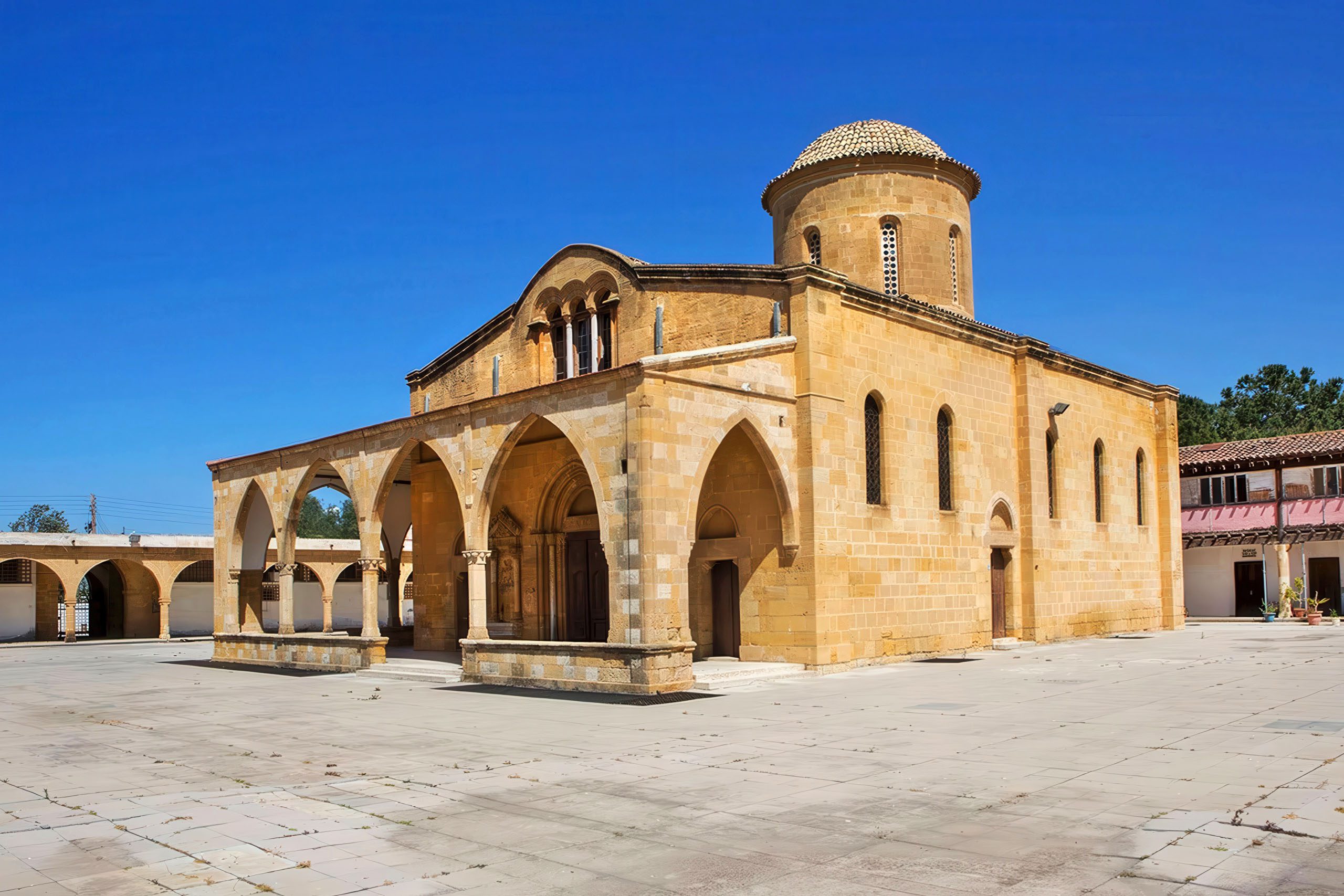
Beyond the solemnity, Cyprus’s pilgrimages brim with quirky lore that adds a spark of wonder. At Saint Barnabas Monastery near Famagusta, the saint’s tomb was revealed in a dream to Archbishop Anthemios in 488 AD; when opened, Barnabas clutched Matthew’s Gospel, a miracle that helped Cyprus gain church independence from Antioch. Pilgrims still flock there, especially on his June feast day, when the site buzzes with festivals and healings – one tale tells of a barren woman who conceived after praying over his relics. Over at the Cape of Apostle Andrew, legend says the saint struck a rock during a voyage, creating a freshwater spring that saved his thirsty companions; today, folks bottle the water as holy, believing it cures ailments. And don’t miss Saint Spyridon’s relics journey: originally in Cyprus, they were moved to Constantinople then Corfu in the 15th century, but Cypriots claim miracles from his empty tomb sites. Fun fact: during Ottoman times, pilgrims disguised vows as “promises to the tree” near relics to evade taxes. These tales make pilgrimages memorable, like sharing ghost stories with a sacred twist.
Layers of Meaning in Rituals and Beliefs
Dig deeper, and you’ll see how these journeys weave complex threads of symbolism and community. Relics aren’t just bones or wood; they’re conduits for grace, echoing pre-Christian ideas of sacred objects holding power – think ancient Cypriot fertility idols evolving into Christian icons. Vows play a big role: a pilgrim might promise a gold ex-voto if healed, creating a give-and-take with the saint. Women often lead, preserving prayers passed down generations, like chants for safe childbirth at Saint Mamas’s sites (he’s the protector of animals and the afflicted). Miracles range from dramatic – a blind man regaining sight at Lampadistis Monastery – to subtle, like finding inner peace amid grief. Ties to broader Orthodoxy shine through: relics link to Constantinople’s grand churches, where Cypriot saints’ remains once rested. Even influences from Anatolia or the Levant blend in, with shared healing springs or feast customs. This depth shows pilgrimage as therapy for the soul, balancing personal pain with collective faith in a world of uncertainties.
Echoes of Devotion in Today’s Cyprus
Fast-forward to now, and pilgrimage to relics remains a vibrant part of Cypriot life, adapting to modern times while holding its core. In a divided island still navigating post-1974 tensions, these journeys foster unity – families from both sides cross checkpoints to visit sites like Hala Sultan Tekke or Saint Lazarus, reminding everyone of shared spiritual roots. Tourism adds a layer: organized tours like the “7 Holy Shrines” route guide visitors through spots such as Kykkos and Machairas, blending faith with cultural exploration. Locals mix old and new – a young couple might drive to Stavrovouni for blessings before a wedding, posting photos online to share the joy. Amid global challenges like pandemics or climate shifts threatening remote monasteries, pilgrims turn to relics for resilience, with virtual prayers surging during lockdowns. Artists draw inspiration too, crafting songs or films about Lazarus’s resurrection as metaphors for hope. In pop culture, relics pop up in festivals with music and food, proving these traditions aren’t relics themselves but living bonds that nurture community and identity.
Your Guide to a Meaningful Pilgrimage
Ready to embark? Cyprus makes it accessible, with sites scattered but reachable by car or bus. Start in Larnaca at Saint Lazarus Church – free entry, open daily; descend the crypt steps carefully, light a candle, and feel the hush. For mountain vibes, drive to Stavrovouni (men only inside; women at the base chapel) – the climb’s steep, so wear good shoes and go early to avoid heat.
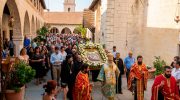
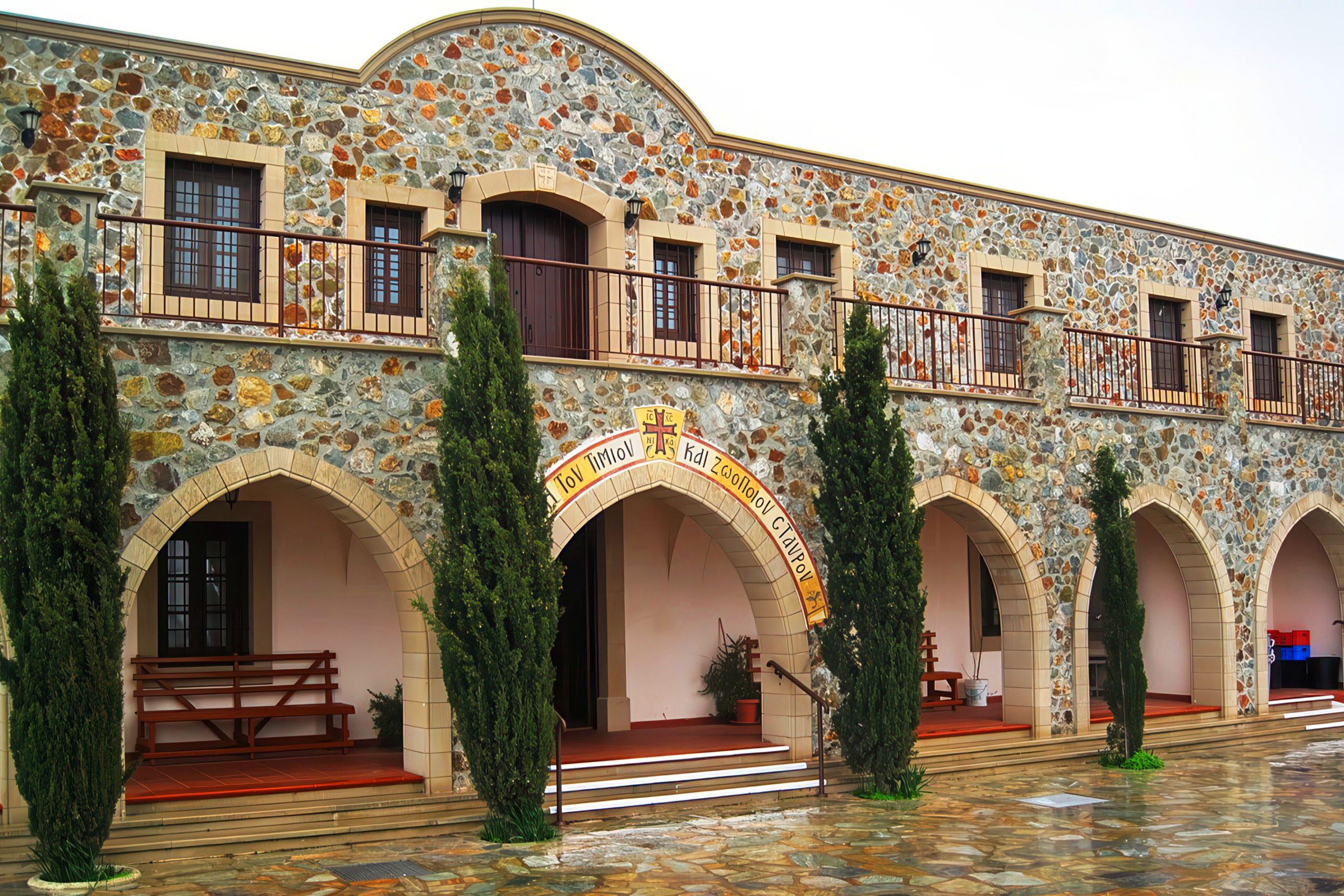
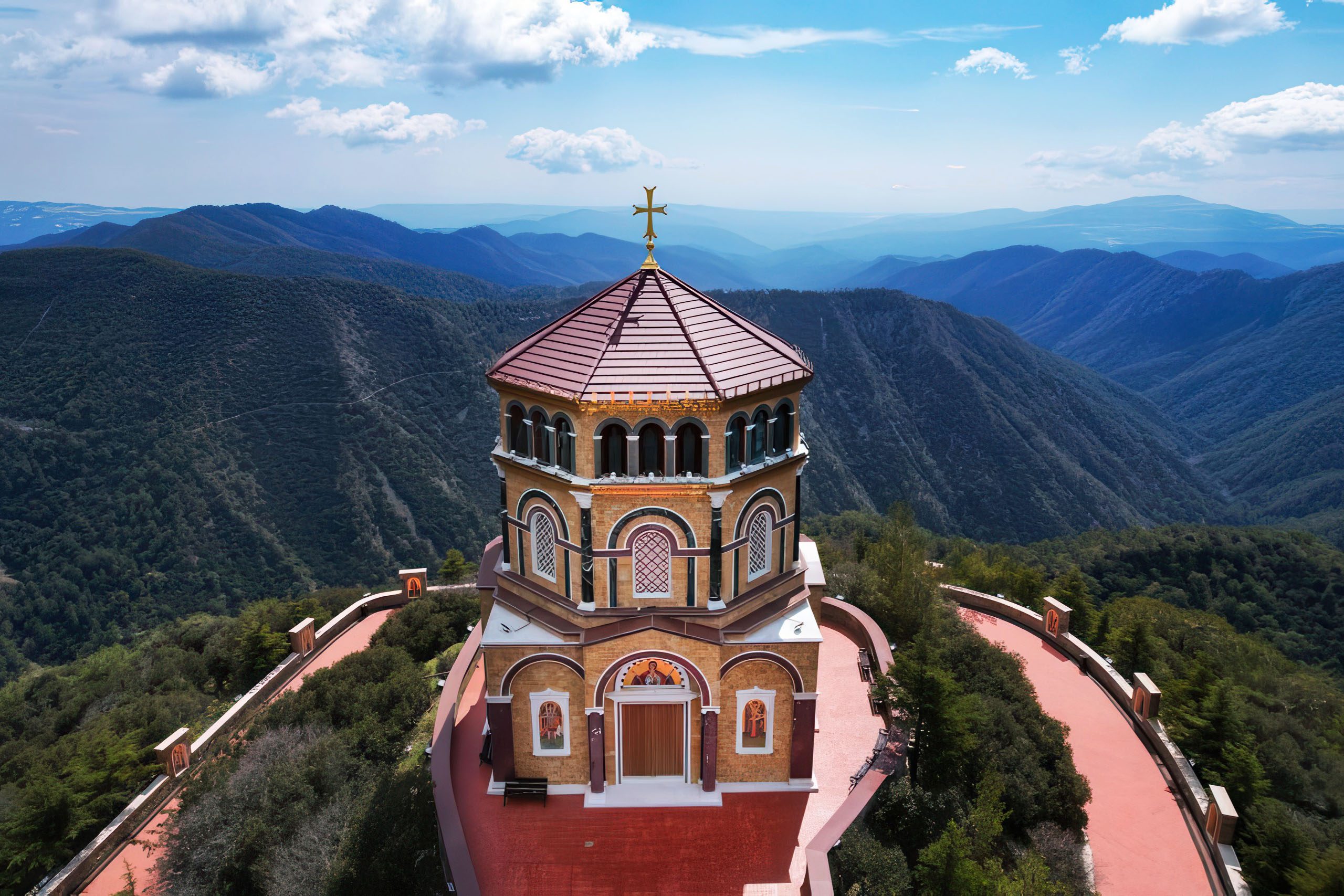
Kykkos Monastery, perched in Troodos, offers stunning views; modest dress required, and don’t miss the museum with its icon. Feast days amp the energy: Lazarus Saturday in April draws crowds with processions. Pack water, comfortable clothes, and an open mind – no fees at most spots, but donations welcome. If traveling to the occupied area of Cyprus, check border rules for Barnabas Monastery. Combine with hikes or village meals for immersion; safety’s good, but respect monastic quiet. Whether solo or with family, it’s about the inner journey – arrive with intention, and you might leave transformed.
A Tradition That Keeps the Spirit Alive
In the end, pilgrimage to saintly relics in Cyprus isn’t just worth knowing – it’s a window into the island’s enduring soul, where faith turns stones and bones into sources of hope and healing. These journeys capture Cyprus’s essence: a crossroads of history and heart, where ancient miracles meet modern lives in quiet, powerful ways. Whether seeking a cure or simply peace, pilgrims find connection to something bigger, reminding us all that in a busy world, sacred paths still lead to renewal. This practice keeps traditions breathing, inviting everyone to walk toward meaning one step at a time.