All Articles

Sanctuary of the Great Mother (Avdimou)

Sanctuary of the Great Mother (Avdimou)

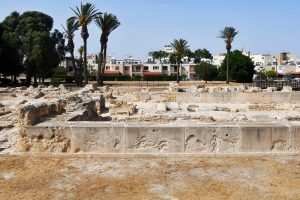
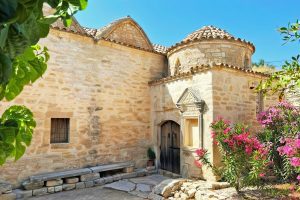
The Sanctuary of the Great Mother in Avdimou represents a timeless spiritual hub in Cyprus, where ancient veneration of a fertility female entity evolved into a more recent devotion to a maternal figure. Located in the rural village of Prastio Avdimou near the south coast, this site embodies the island's layered spiritual history, blending prehistoric fertility traditions with medieval and later cultural practices. It highlights Cyprus's role as a crossroads of civilizations, where early rites centered on life, birth, and renewal transitioned into the local respect for a central mother figure, fostering an enduring tradition of pilgrimage and regional devotion that persists today. A Cult Site of Continuity The Sanctuary of the Great Mother, embodied in the historical stone structure…

Read more
Saranda Kolones Fortress

Saranda Kolones Fortress

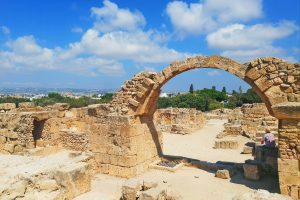
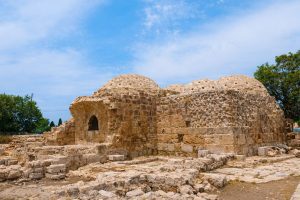
Inside the Paphos Archaeological Park, just north of the old harbor, a pile of broken stones and toppled columns marks where one of Cyprus's most important medieval fortresses once stood. Saranta Kolones, which translates to Forty Columns, served as the main defensive stronghold protecting Paphos during a turbulent period when Arab raids threatened the island. Today, visitors walk among its ruins and discover a fortress that endured multiple rebuilds, witnessed crucial historical events, and met a violent end in one of the worst earthquakes ever to strike Cyprus. Historical Background The fortress was built at the end of the 7th century AD under Byzantine rule. Historical records indicate that Theodore, the brother of Emperor Heraclius I, supervised its construction. At…

Read more
Basilica of Chrysopolitissa Paphos

Basilica of Chrysopolitissa Paphos

In the heart of Paphos lies one of Cyprus’s most significant archaeological landscapes, where over 1,600 years of urban and architectural history remain visible. The Chrysopolitissa site preserves the remains of a large late Roman basilica, along with later medieval and Ottoman-period structures, offering a layered record of continuous settlement and rebuilding. Today, the complex includes the ruins of the basilica, a later parish church (Agia Kyriaki), fragments of a medieval Franciscan structure, and the remains of Roman and Byzantine-era installations. Historical Background Archaeological evidence confirms that the basilica was constructed in the second half of the 4th century AD, during a period when Cyprus was integrated into the administrative and cultural systems of the late Roman Empire. Paphos served…

Read more
Cyprus Cliffside Horizons

Cyprus Cliffside Horizons

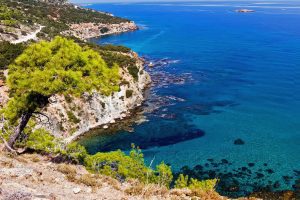
Cyprus is often imagined as a land of calm beaches and gentle shorelines, but some of its most striking coastal landscapes rise sharply instead of stretching outward. In several parts of the island, the land ends abruptly in high limestone cliffs that fall straight into the Mediterranean, creating views that feel expansive, exposed, and quietly dramatic. These vertical coastlines offer a very different way of experiencing Cyprus, one shaped by height, light, and the sudden meeting of land and sea. Where Cyprus Breaks the Horizontal Line Most Mediterranean coastlines encourage the eye to travel sideways. Cyprus’s cliffs do the opposite. They pull the gaze downward and outward at once, creating a sense of scale that feels rare in a region…

Read more
Pelendri Village

Pelendri Village

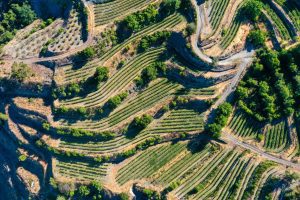
Pelendri is a mountain village in the Limassol district known for its UNESCO-listed architecture, traditional stone-built settlement layout, and established wine production. It is located in the Pitsilia region at an altitude of around 880 meters and approximately 40 kilometers from Limassol. The village reflects a blend of medieval history and modern viticulture within a landscape of steep valleys and elevated terrain. Despite being built on relatively rugged slopes, the area benefits from approximately 750 millimeters of annual rainfall, which supports agriculture and natural vegetation. Several tributaries run through the region, providing consistent water resources that sustain farming activity, forest growth, and rural life. The administrative boundaries of Pelendri extend into parts of the Troodos state forests and surrounding woodland…

Read more
Ritual Function Over Aesthetic Realism

Ritual Function Over Aesthetic Realism

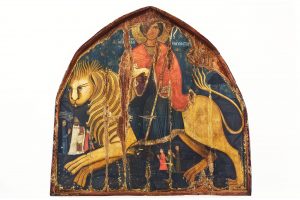
Ritual function over aesthetic realism in ancient Cypriot art meant creators focused more on making pieces that worked for spiritual purposes and clear symbols, rather than looking exactly like real life. This approach turned sculptures, pots, and carvings into tools for rituals, devotion, and symbolic clarity, putting heart and belief ahead of perfect looks. It's a style that makes art a bridge to the divine, sparking curiosity about what really mattered to island people long ago. A Style Built for Meaning, Not Mirrors Ancient Cypriot art placed practical use in rituals above lifelike details, creating items that served spiritual needs with bold, straightforward designs. Figures often appeared with exaggerated features or stiff poses, not from lack of ability, but to…

Read more
Church of Panagia Phorbiotissa

Church of Panagia Phorbiotissa

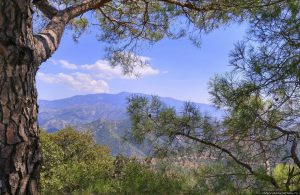
Church of Panagia Phorbiotissa, also known as Asinou Church, is a 12th-century Byzantine gem hidden in Cyprus's Troodos Mountains, famed for its complete cycle of frescoes that act as a visual guide to medieval Christian theology. Part of the UNESCO-listed Painted Churches, it captures sophisticated trends from Constantinople through vivid biblical scenes and symbolic details. This hidden site evokes the spiritual depth of medieval Cyprus, where art served as a bridge to divine teachings. A Timeless Byzantine Chapel Panagia Phorbiotissa exemplifies the refined yet intimate nature of Byzantine religious architecture in Cyprus's mountainous interior, dedicated to the Virgin Mary and characterized by its compact form and exceptional interior decoration. Constructed in a secluded valley, the church reflects the period's monastic…

Read more
Kition Temples

Kition Temples

Kition, located beneath modern Larnaca on Cyprus's southeastern coast, served as a major Bronze Age settlement before the Phoenicians arrived. The site contains five successive temples dated from the late 13th to the late 11th century BC, built during the Late Bronze Age when Mycenaean Achaeans inhabited the city. These early temples were connected to copper smelting workshops, revealing an unusual integration of industrial and religious activities. The copper industry was central to Cyprus's prosperity, and scholars believe this placement suggests either worship of a deity related to copper production or a ritual significance attached to metallurgy itself. Around 1000 BC, the religious part of the city was abandoned, though life continued in other areas. This abandonment created a gap…

Read more
Modern Naval Heritage

Modern Naval Heritage

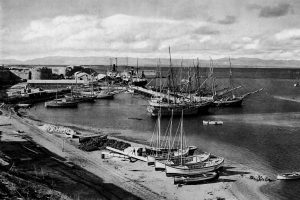
Cyprus has never treated the sea as a boundary. For centuries, its coastline functioned as a working edge where trade, defense, administration, and daily life met. In the modern period, this relationship was shaped most clearly by two naval powers: the Ottoman Empire and the British Empire. Their presence did not simply leave behind forts and harbors. It reshaped how the island was governed, how its ports functioned, and how Cypriots understood their place within the wider Mediterranean world. This article explores how Ottoman and British naval priorities transformed Cyprus from a regional outpost into a strategic maritime asset, and why that legacy still defines the island’s identity today. An Island Positioned to Be Watched Cyprus sits at a crossroads…

Read more