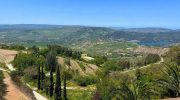
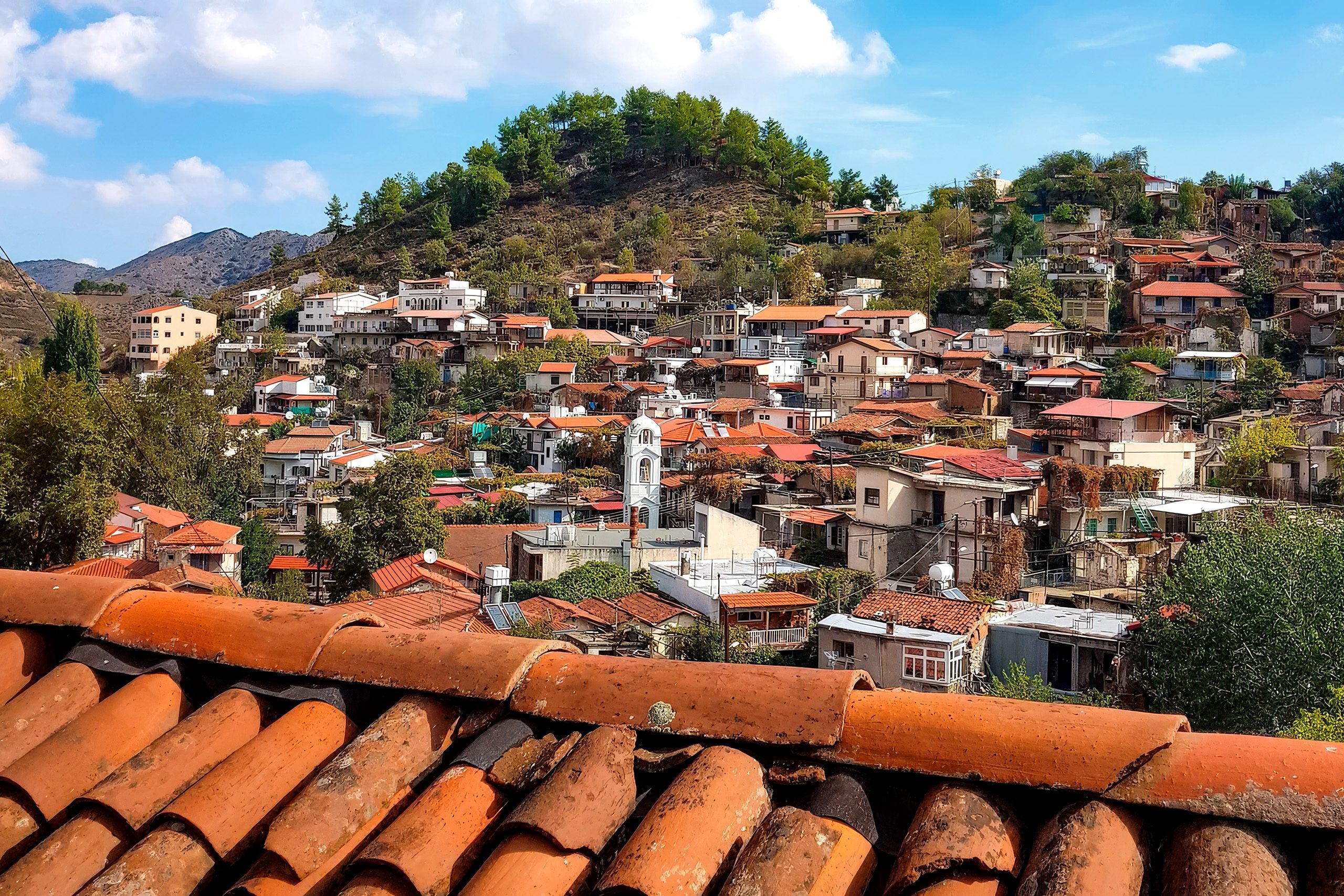
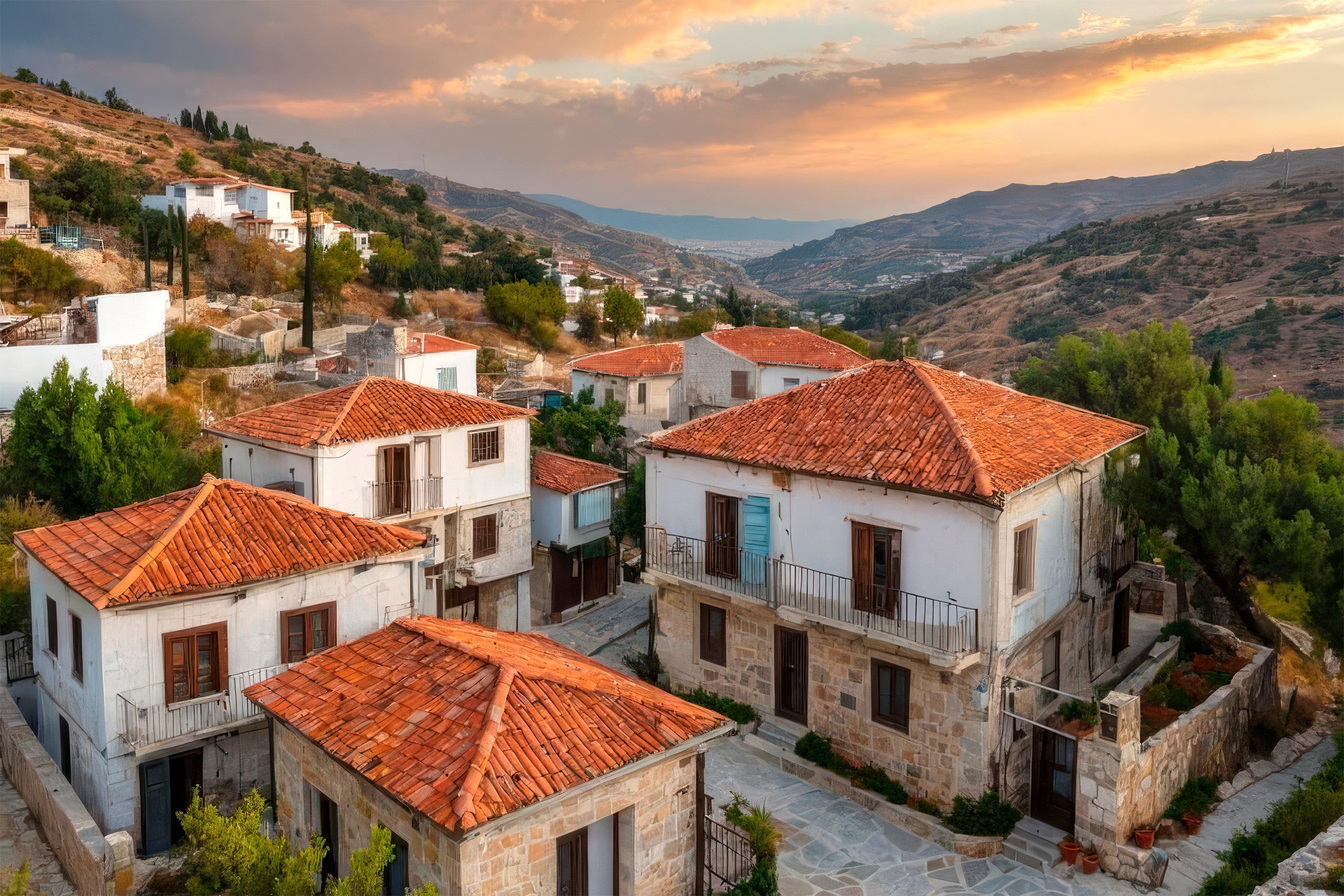
Pelendri is a mountain village in the Limassol district known for its UNESCO-listed architecture, traditional stone-built settlement layout, and established wine production. It is located in the Pitsilia region at an altitude of around 880 meters and approximately 40 kilometers from Limassol. The village reflects a blend of medieval history and modern viticulture within a landscape of steep valleys and elevated terrain.
Despite being built on relatively rugged slopes, the area benefits from approximately 750 millimeters of annual rainfall, which supports agriculture and natural vegetation. Several tributaries run through the region, providing consistent water resources that sustain farming activity, forest growth, and rural life.
The administrative boundaries of Pelendri extend into parts of the Troodos state forests and surrounding woodland areas. The natural environment includes pine trees, wild olive groves, plane trees, and native shrubs, while uncultivated zones preserve high biodiversity typical of the Troodos mountain ecosystem.
Historical Background
Historical records confirm Pelendri as an established settlement during the medieval period. Louis de Mas Latrie, documenting Cyprus during Lusignan rule, refers to the village as Pelendres or Pelondres. In 1353, it is recorded as a feudal estate associated with John de Lusignan, Prince of Antioch and a member of Cyprus’s ruling nobility.
Medieval chronicler Georgios Boustronios also references the village in his accounts. Around 1461, he noted the presence of a wealthy merchant named Satin, indicating commercial activity in the settlement. He further recorded two nearby farmsteads, Kardamas and Filagra, owned by Ritzzo di Marino. These properties were later confiscated in 1474 under Catherine Cornaro, the last Queen of Cyprus before Venetian rule. Both estates disappeared during the Ottoman period, although Filagra was later re-established in the mid-20th century as a small residential and recreational area.
Local narratives suggest that the broader region once included multiple small settlements that were gradually abandoned and consolidated into Pelendri for security and survival reasons. These included areas such as Poulos, Fournia, Troumithos, Tzeramis, Rontia, Kaminia, and several others scattered across the valley. Archaeological traces from different eras have been found in some of these locations, reflecting long-term human presence in the region.
Origin of the Village Name
Several theories exist regarding the origin of the name Pelendri. One interpretation links it to local vegetation, possibly derived from plants once common in the area. Another theory connects it to an aromatic herb or mushroom species known in regional folklore.
Some scholars suggest the name may originate from a medieval family that once held land in the area. Another widely accepted interpretation links it to an earlier term meaning “many trees,” referencing the dense forest coverage that historically characterized the region.
Cultural Heritage Sites
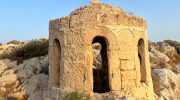
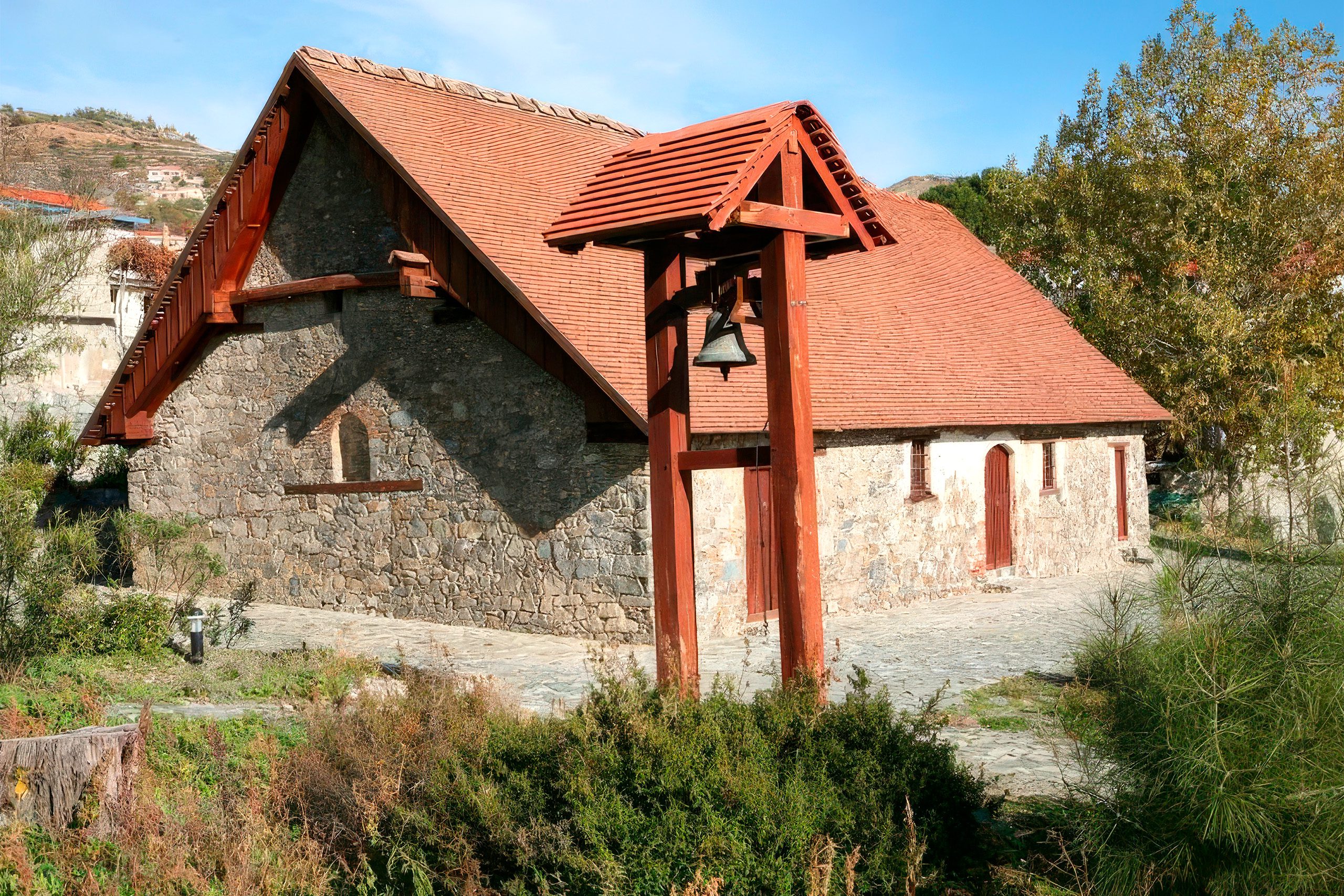
The most significant cultural monument in Pelendri is the Church of Timios Stavros, a UNESCO World Heritage Site listed in 1985 as part of the Painted Churches of the Troodos Region. The structure was originally built in the 12th century as a small domed building, possibly serving as a cemetery chapel. Over time, it was rebuilt and expanded, with surviving sections of earlier decorative layers still visible.
The interior preserves wall paintings from different historical phases, with the earliest fragments dating to the 12th century and later layers added during the 14th century. These artworks reflect the evolution of Byzantine-era painting traditions in Cyprus and are considered important examples of regional artistic development.
Pelendri also contains several other historic churches representing different architectural phases. The Church of Panagia Katholiki, built in the 16th century, is a notable example of post-medieval ecclesiastical architecture. Its interior includes decorated icon panels influenced by both Byzantine and Renaissance artistic styles, reflecting cultural exchange during the period.
Agriculture & Tsiakkas Winery
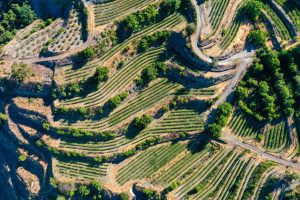
The climate and rainfall conditions in Pelendri support the cultivation of fruit trees such as apples, peaches, pears, and plums. Vineyards produce both table grapes and wine grapes, while olive trees, almond trees, walnut trees, and berry crops grow in suitable microclimates. Vegetables such as tomatoes, cucumbers, beans, onions, and potatoes are widely cultivated.
The surrounding forested areas are known for seasonal wild mushroom growth following autumn rains, making foraging a traditional local activity practiced by residents familiar with the terrain.
For several decades, employment at the nearby Amiantos asbestos mine provided a major source of income for residents of Pelendri and significantly shaped the village’s 20th-century development. This industrial activity contributed to population stability until the mine’s closure.
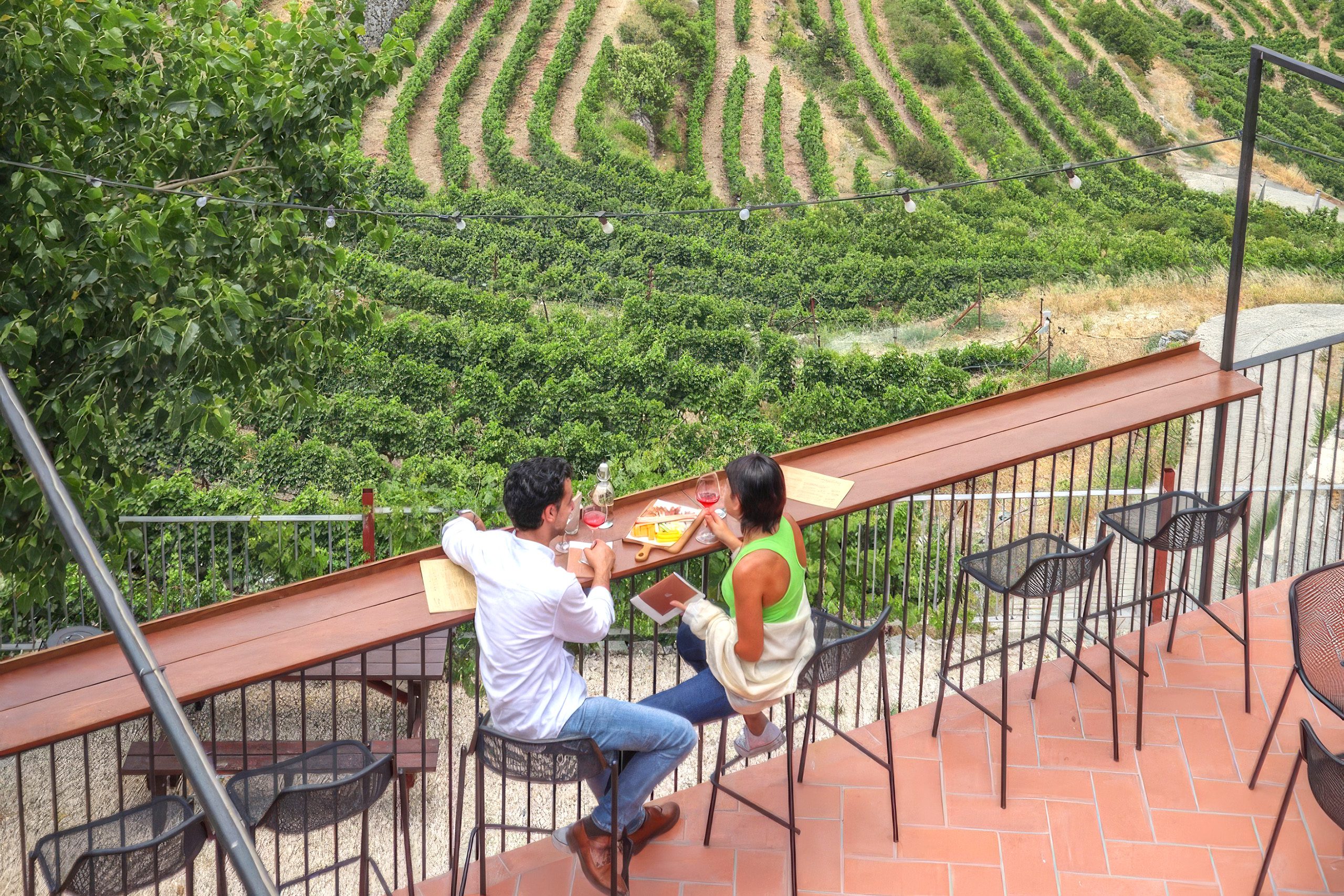
Tsiakkas Winery was founded in 1988 just outside Pelendri by Costas and Maria Tsiakkas. It began with small-scale production and gradually expanded during the 1990s. The winery introduced several international grape varieties, including Chardonnay, Sauvignon Blanc, Cabernet Sauvignon, Merlot, and Grenache, alongside local varieties cultivated in the wider Pitsilia region.
Population Changes
According to census data, Pelendri’s population increased steadily from 444 residents in 1881 to a peak of 2,253 in 1973. After this period, the population began to decline due to urban migration, reaching approximately 1,074 in 2011. Today, the village maintains around 1,000 permanent residents, with numbers increasing during summer months when former residents and visitors return.
This demographic shift reflects broader rural trends in Cyprus, where younger generations moved toward urban centers for education and employment opportunities. Despite this, Pelendri maintains essential public services, including educational and administrative facilities that support daily community life.
Visiting Pelendri
The drive from Limassol takes approximately 45 minutes through gradually changing landscapes that transition from lowland vegetation to mountainous terrain. From Nicosia, the journey covers about 70 kilometers.
The Church of Timios Stavros operates on limited visiting hours, typically open on weekdays and Saturdays during specified time windows. Access may vary depending on conservation schedules, so visitors are advised to check ahead before planning a visit.
Tsiakkas Winery is open to visitors most days except Sundays and public holidays, offering tastings and guided tours by appointment. Seasonal visits are also available during selected months.
The village is compact enough to explore on foot, particularly in the older quarter, where traditional stone houses and narrow streets preserve its historic character. Accommodation is available in restored guesthouses that reflect the architectural style of the region.
Historical and Cultural Importance of Pelendri
Pelendri demonstrates how historical architecture, agriculture, and modern rural life can coexist in a single mountain community. The UNESCO-listed monument in the village has contributed to international recognition and ongoing conservation efforts, particularly in preserving medieval wall paintings that document artistic evolution across centuries.
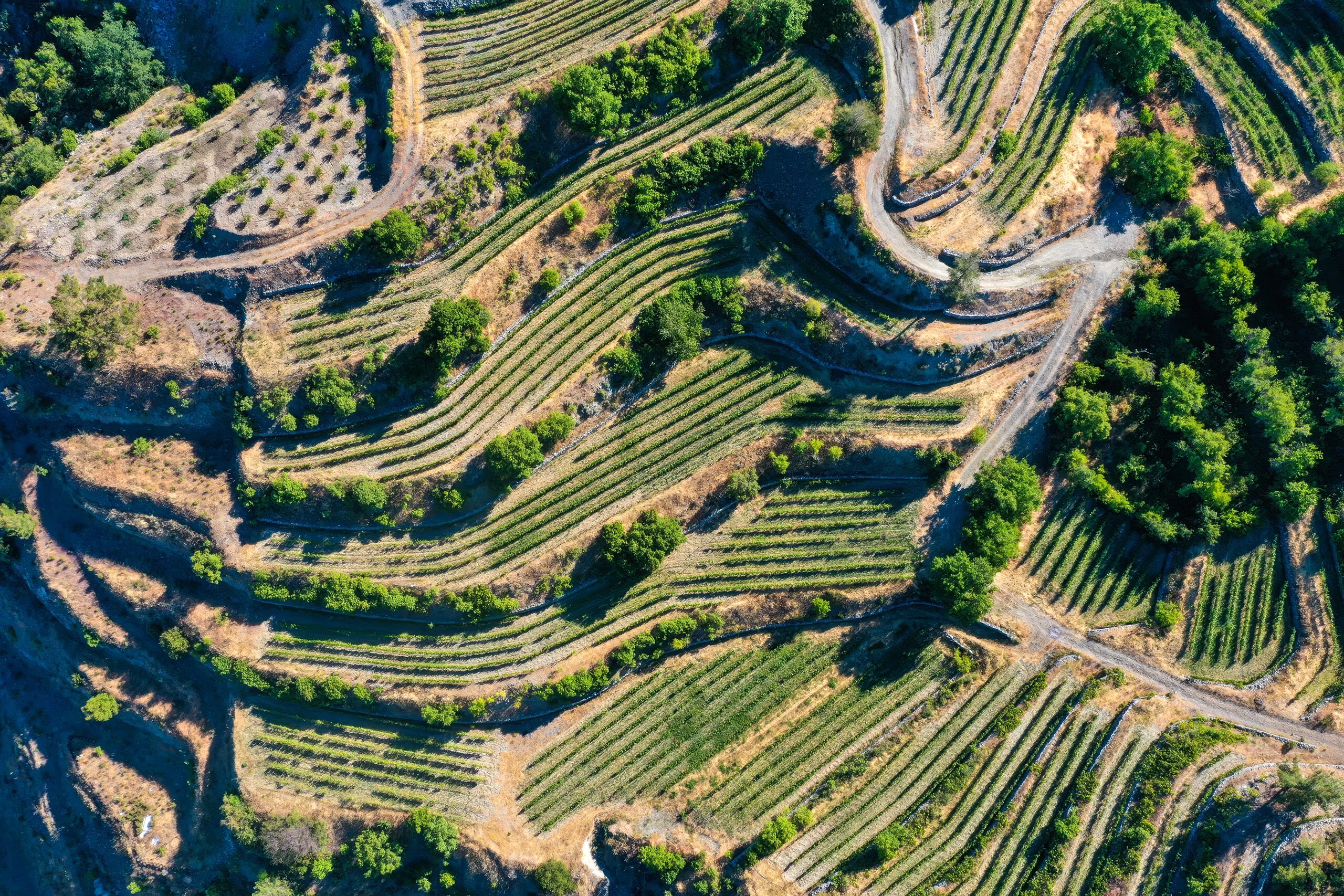
At the same time, local wine production and agriculture continue to shape the village economy. The revival and cultivation of both local and international grape varieties reflect broader efforts to sustain agricultural heritage while adapting to modern market conditions.
Pelendri remains a living rural settlement where historical layers, traditional farming practices, and contemporary rural development exist side by side, offering insight into Cyprus’s long-term cultural and economic evolution.